The 15mm Jewelry Watch: Cartier Baignoire Trend
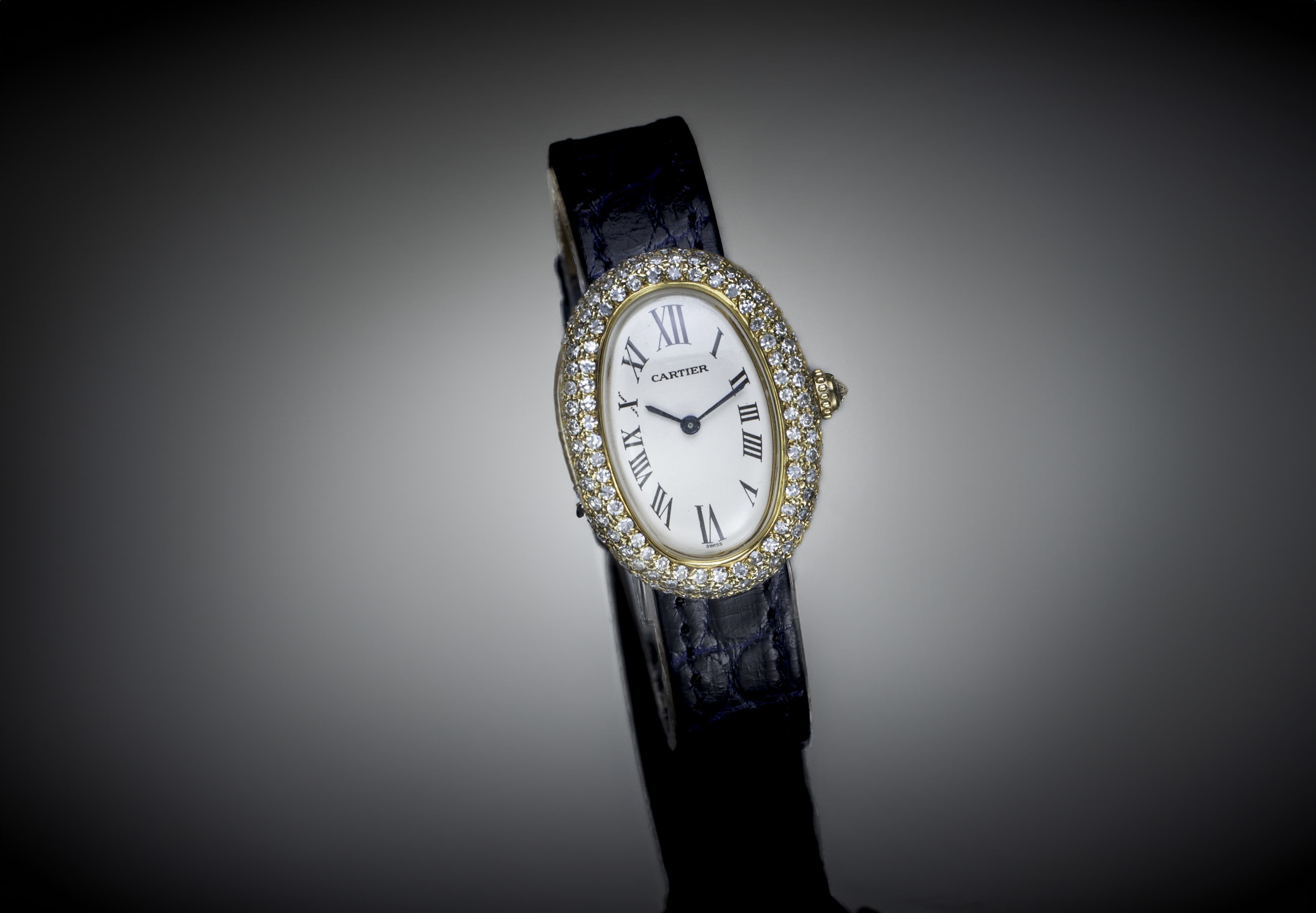
In the world of high-end horology, the pendulum of taste rarely stays centered for long. For years, the industry was dominated by the 'bigger is better' philosophy, where oversized lugs and chunky cases reigned supreme. However, as we move through the summer of 2026, a radical shift has taken hold of the collective consciousness of collectors and fashion icons alike. The defining sizing trend of the mid-2020s is no longer measured in millimeters of thickness or water resistance depth, but in the delicate, diminutive charm of the 15mm jewelry watch. At the heart of this movement sits the undisputed queen of the moment: the Cartier Baignoire.
The Return of the Petite Powerhouse
The resurgence of the Cartier Baignoire—specifically the mini bangle version—has fundamentally altered how we perceive the 'grail' watch. While the 40mm stainless steel sports watch was once the universal symbol of horological success, the modern collector is increasingly hunting for something that blurs the line between a timekeeper and a piece of high jewelry. This sizing trend isn't merely a nostalgic nod to the cocktail watches of the 1920s; it is a contemporary reclamation of elegance.
In 2026, the 'wristshot' that garners the most attention on social feeds isn't a bulky 'desk diver' with glowing lume; it is a 15mm yellow gold Baignoire stacked effortlessly against a backdrop of Van Cleef & Arpels Alhambra bracelets or minimalist gold cuffs. The watch has transitioned from a tool to an accessory that happens to tell time, and the market has responded with fervor.
Why the 15mm Baignoire?
The Cartier Baignoire’s name, French for 'bathtub,' originates from its unique oval shape, a design that dates back to 1912. While it has seen various iterations over the last century, the 2023 release of the Baignoire on a rigid bangle was the catalyst for the current sizing trend. By shrinking the case to a mere 15mm in width, Cartier tapped into a desire for 'quiet luxury' that feels both historical and avant-garde.
For the enthusiast, the appeal lies in the purity of the form. There is no date window to clutter the dial, no sweeping seconds hand to distract the eye, and certainly no 'lume' to disrupt the classic Roman numerals. It is horology stripped to its most aesthetic essence. The gold case develops a soft 'patina' over time that only adds to its character, making it a piece that feels inherited rather than just purchased.
Technical Specifications: The Cartier Baignoire Mini Bangle
Despite its small stature, the Baignoire is a masterclass in French design and Swiss precision. Below are the technical details for the model currently dominating the 2026 market:
| Feature | Specification |
|---|---|
| Caliber | High-Autonomy Quartz Movement (approx. 8 years) |
| Case Material | 18K Yellow Gold / Rose Gold / White Gold |
| Dimensions | 24.6 mm x 18.7 mm (Case width approx. 15mm) |
| Water Resistance | 30 Meters (3 bar) |
| Complications | Hours, Minutes |
| Bracelet/Strap | Integrated rigid gold bangle or leather strap |
| Dial | Silvered with Roman numerals, blued-steel sword-shaped hands |
The Impact on the Broader Market
This sizing trend has sent ripples through the entire industry. Brands that previously focused on technical 'beater' watches are now looking toward their archives to find petite silhouettes. Piaget has seen a massive uptick in interest for its vintage stone-dial watches, and Bulgari’s Serpenti has found a new audience among those who find a 36mm watch too cumbersome for daily wear. Even Vacheron Constantin has leaned into the 'jewelry watch' aesthetic with smaller, diamond-set versions of their classic lines.
What makes the 15mm movement so fascinating is its gender-fluid appeal. In 2026, we are seeing more men integrate these smaller, precious-metal pieces into their wardrobes, often pairing them with traditional tailoring or even streetwear. The 'sizing trend' has broken down the barriers of what a 'men’s' or 'women’s' watch should be, focusing instead on proportions and how the piece complements the wearer's overall style.
Styling the Miniature Marvel
One cannot discuss the Cartier Baignoire without discussing the art of the 'stack.' Unlike a traditional 40mm timepiece that demands the spotlight, the 15mm jewelry watch is a team player. Enthusiasts are often seen layering the Baignoire with multiple textures of gold. The rigid bangle of the Baignoire allows it to sit higher on the wrist, almost like a sculpture.
When capturing that perfect 'wristshot,' collectors are focusing on the interplay of light on the curved sapphire crystal and the high-polish finish of the gold. Because these watches lack the utility of a 'desk diver'—you won't be timing your pasta or checking the decompression limits of your dive—they invite a more relaxed, aesthetic appreciation. They represent a move away from the 'spec-sheet' obsession that dominated the early 2020s.
The Investment Perspective
From a value retention standpoint, the sizing trend toward smaller jewelry watches has made the Baignoire a difficult piece to acquire at retail. Authorized dealers are reporting waitlists that rival those of the most popular steel chronographs. On the secondary market, 'neo-vintage' Baignoires from the 1990s and early 2000s are seeing a significant price surge as collectors look for unique dial variations or different gold alloys.
For many, the Baignoire has become a 'grail' not because of a complex perpetual calendar or a tourbillon, but because of its iconic status in the pantheon of design. It is a watch that ignores the fleeting nature of technology in favor of a silhouette that has remained relevant for over 110 years.
Conclusion
The 15mm jewelry watch trend, led by the incomparable Cartier Baignoire, marks a sophisticated evolution in the world of luxury timepieces. This sizing trend reflects a broader cultural shift toward elegance, minimalism, and the integration of horology into the world of high fashion. Whether it is the brilliant yellow gold of the bangle version or the understated luxury of the leather-strapped mini, the Baignoire has proven that a watch does not need to be large to make a massive statement. As we look toward the remainder of 2026, it is clear that the smallest watches are making the biggest impact on the wrists of the world’s most discerning collectors.