The Great Shrink: 34-37mm as the Unisex Standard
As we turn the calendar to January 2026, the landscape of luxury horology feels more balanced and refined than it has in decades. The era of the 'wrist slab'—those oversized, 44mm-plus chronographs that dominated the early 2000s—has finally retreated into the archives. In its place, we are witnessing a definitive New Year Trend that prioritizes ergonomics, historical reverence, and gender-neutral appeal. The industry has settled on a new sweet spot: the 34mm to 37mm range, now firmly established as the unisex standard for the modern collector.
For the seasoned enthusiast, this shift feels less like a radical departure and more like a homecoming. We are seeing a return to the classic proportions that defined the golden age of watchmaking between the 1940s and 1960s. However, this isn't just a vintage revival; it is a calculated response to a more sophisticated global market that values comfort as much as craftsmanship.
The Pendulum Swings Back: Proportions for a New Era
The obsession with large watches was largely driven by a desire for visibility and a specific brand of 'wrist presence' that shouted across the room. But as our collective taste has matured, the definition of presence has evolved. Today’s collectors are looking for a watch that slips effortlessly under a cuff, provides a perfect wristshot without overhanging the bone, and offers a balanced lug-to-lug measurement that fits a wide variety of wrist shapes.
This New Year Trend is fueled by the realization that a 36mm case isn't 'small'—it’s versatile. Whether it’s a stainless steel beater for daily wear or a gold dress watch intended as a grail, the mid-size diameter offers a level of proportion that 42mm cases simply cannot match. When a watch is sized correctly, the dial, bezel, and lugs work in harmony, creating an aesthetic that looks intentional rather than inflated.
Breaking the Gender Binary in Horology
One of the most significant drivers of this New Year Trend is the industry-wide move toward unisex marketing. In 2026, the labels of 'Men’s' and 'Women’s' watches are rapidly disappearing from showroom floors. Brands have realized that a 35mm watch with a mechanical movement appeals equally to all genders.
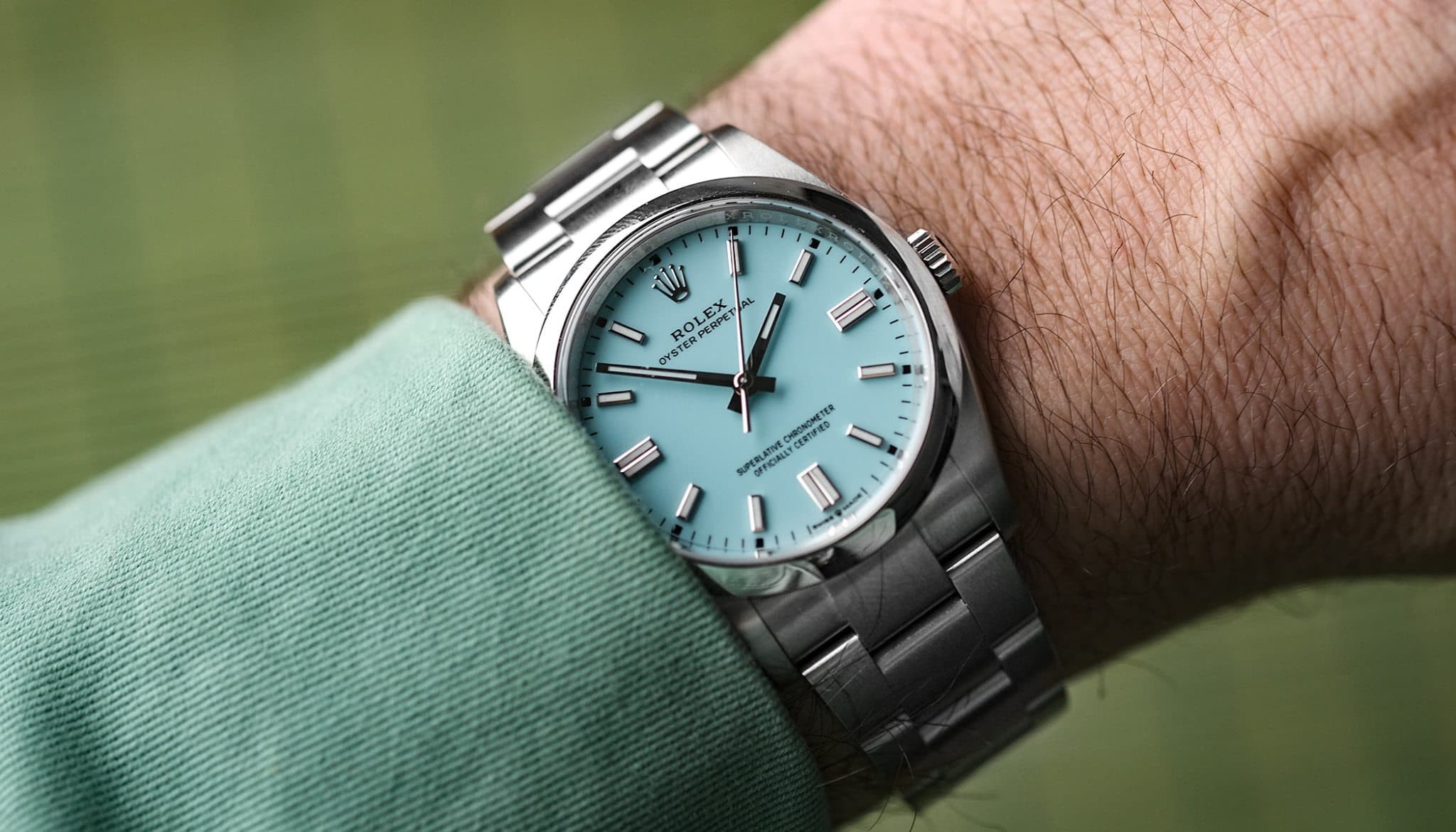
Collectors are no longer buying based on which section of the catalog a watch appears in; they are buying based on how the piece interacts with their personal style. A 36mm Rolex Oyster Perpetual or a 35mm Cartier Santos is just as likely to be seen on the wrist of a tech CEO as it is on a fashion-forward creative. This democratization of sizing has opened up the market, allowing iconic designs to reach a broader audience without the stigma of being 'too small' or 'too dainty.'
The Gold Standard: Rolex Oyster Perpetual 36
If any single model exemplifies the dominance of the mid-size category, it is the Rolex Oyster Perpetual 36. While it has been a staple of the catalog for years, its status has been elevated to that of a primary 'hero' model. It represents the perfect intersection of durability and elegance, proving that you don't need a massive case to house a world-class movement.
| Feature | Specification |
|---|---|
| Caliber | Rolex Manufacture 3230 (Automatic) |
| Case Material | Oystersteel (904L Stainless Steel) |
| Dimensions | 36mm Diameter, 12mm Thickness, 43mm Lug-to-Lug |
| Water Resistance | 100 Meters (330 Feet) |
| Complications | Center Hours, Minutes, and Seconds; Stop-seconds for precise time setting |
| Bracelet/Strap | Oyster Bracelet with Easylink Comfort Extension |
As seen in the technical specifications above, the 36mm case provides ample room for a high-performance caliber with a 70-hour power reserve and superior shock resistance. It proves that 'shrinking' a watch does not mean compromising on its 'tool watch' credentials.
Technical Innovation: How Slimmer Calibers Facilitate the Shift
This New Year Trend is not merely an aesthetic choice; it is underpinned by significant technical advancements. Over the past few years, movement manufacturers have focused heavily on reducing the thickness of their calibers. When a movement is thinner, the case can be made smaller without looking 'stubby' or disproportionately thick.
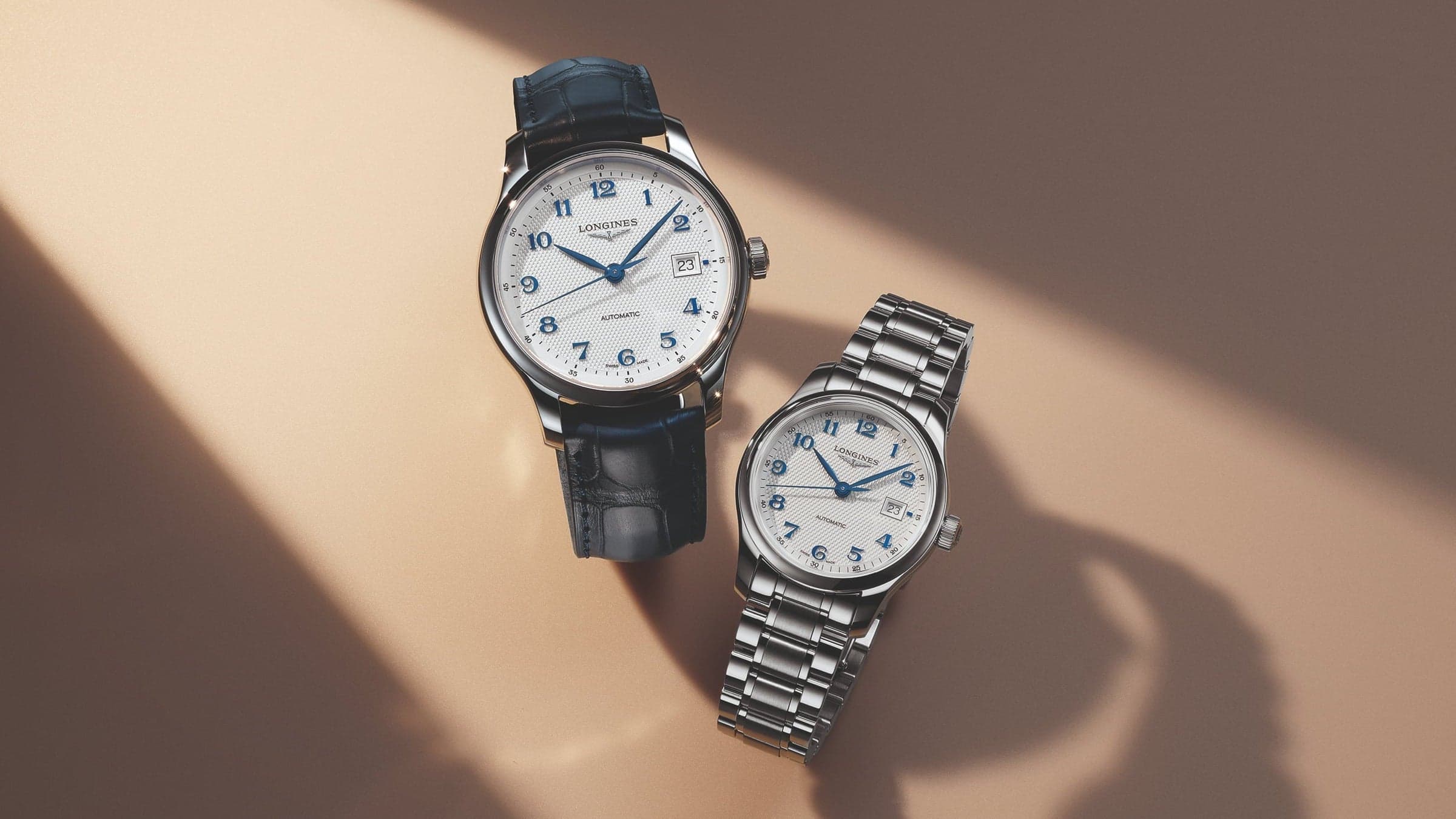
Brands like IWC and Longines have successfully integrated high-beat movements into their 36mm Pilot and Diver lines, respectively. Even the traditional desk diver has seen a reduction in size. The Tudor Black Bay 54, which captures the spirit of the original 1954 Ref. 7922, has become a fan favorite for its 37mm case. It offers all the functionality of a professional diver—unidirectional bezel, high-visibility lume, and robust water resistance—within a silhouette that feels incredibly sophisticated on the wrist.
The Aesthetic of the Modern Grail
There is an undeniable charm to a smaller watch that larger pieces cannot replicate. A 34mm or 36mm dial allows for a more focused design. The spacing between the indices, the length of the hands, and the placement of the logo all feel more cohesive. Furthermore, smaller watches tend to age better aesthetically. A 45mm watch can look dated as trends shift, but a 36mm watch is timeless—it looks as good today as it would have in 1950, and as it likely will in 2050.
We are also seeing a renewed appreciation for the 'neo-vintage' look. Collectors are seeking out modern pieces that mimic the natural patina and proportions of mid-century watches but with the reliability of modern sapphire crystals and ceramic inserts. This blend of old-world charm and new-world tech is at the heart of the New Year Trend we are celebrating this January.
Conclusion
The 'Great Shrink' is more than just a passing fad; it is a correction of the excesses of the past two decades. As we embrace the 34-37mm range as the new unisex standard, we are seeing a more inclusive, ergonomic, and stylish era of watchmaking take hold. This New Year Trend emphasizes that true luxury isn't about the amount of steel on your wrist, but the precision and proportion of the design. Whether you are hunting for your first high-end timepiece or looking to add another grail to your collection, the mid-size category offers a wealth of options that prove elegance and utility are not mutually exclusive. As 2026 progresses, expect to see even more brands shedding the millimeters in favor of a more refined, universal fit.