Watches & Wonders 2026: Winners, Losers, & Trends
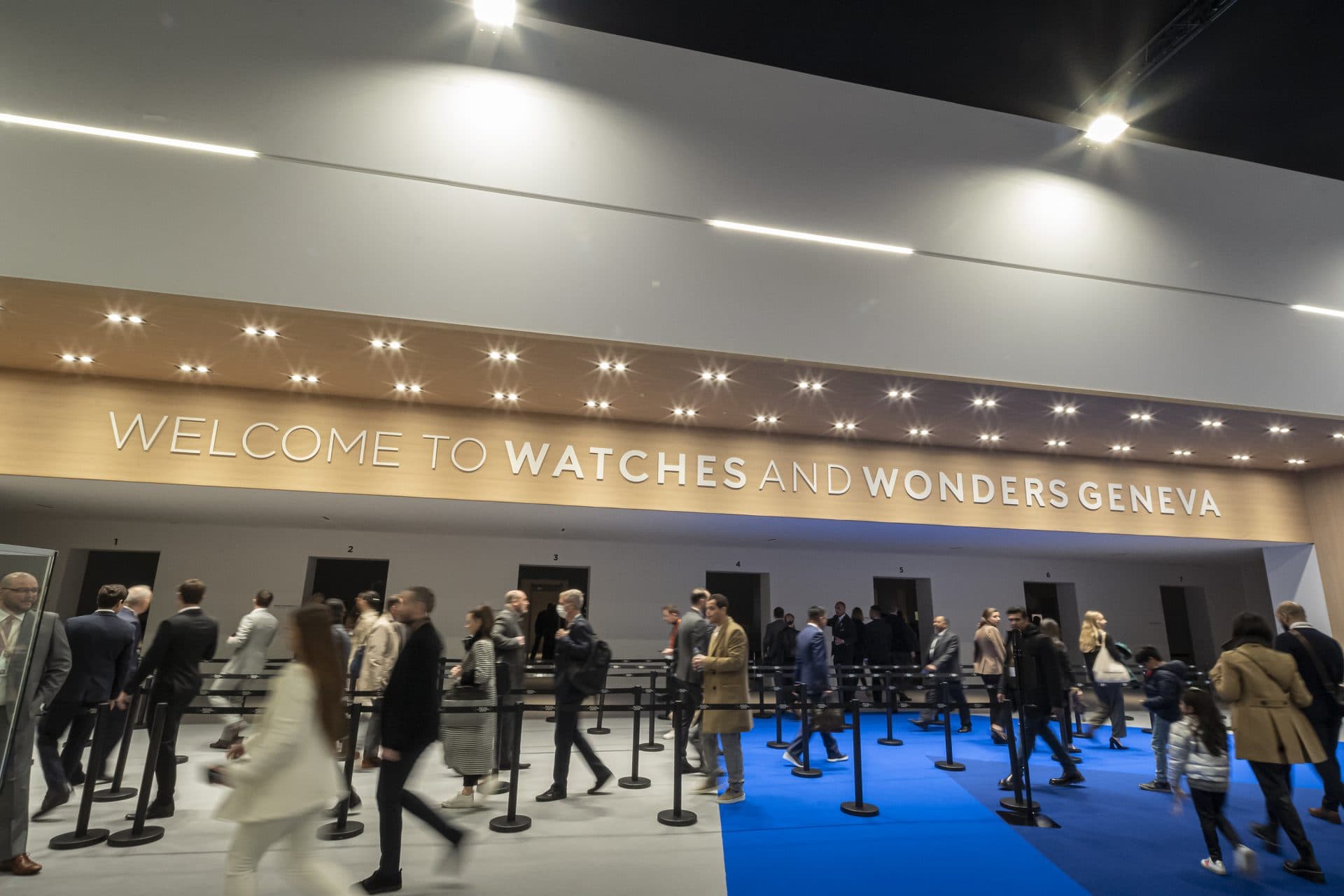
As the final lights flicker off at Geneva’s Palexpo, the horological world is left catching its breath. This year’s event felt different—less about the frantic hype of the early 2020s and more about a calculated, refined maturity. For those who couldn't make the pilgrimage to Switzerland, our Show Wrap-up serves as the definitive guide to the pieces that will define the next decade of collecting. From the triumphant return of legendary colorways to the surprising pivot toward smaller, more wearable dimensions, the 2026 edition of Watches & Wonders has rewritten the playbook for luxury watchmaking.
The Big Winner: Rolex Reclaims the Throne
It wouldn’t be a proper Show Wrap-up without starting with the Crown. For years, the rumor mill has churned with whispers of the "Coke" bezel returning to the GMT-Master II line. In 2026, Rolex finally delivered. The new Ref. 136710RONR features a red and black Cerachrom bezel that looks even more striking in the metal than in the press renders.
What makes this release a true winner isn't just the colorway, but the technical refinement. Rolex has finally perfected the transition between the red and black ceramic pigments, eliminating the slight "bleeding" seen in earlier prototypes. On a Jubilee bracelet, it is an instant grail for many. The wristshot potential is off the charts, especially with the slightly slimmer lugs that echo the 1980s era of the 16760 "Fat Lady."
Technical Specifications: Rolex GMT-Master II Ref. 136710RONR
| Feature | Specification |
|---|---|
| Caliber | Manufacture 3285 (Self-winding) |
| Case Material | Oystersteel (904L) |
| Dimensions | 40mm Diameter; 11.9mm Thickness |
| Water Resistance | 100 Meters (330 Feet) |
| Complications | GMT, Date, Bi-directional Bezel |
| Bracelet/Strap | Jubilee or Oyster with Easylink extension |
The Trend of the Year: The 37mm Sweet Spot
If 2024 was the year of the integrated bracelet and 2025 was the year of titanium, our 2026 Show Wrap-up identifies this as the year of the "Mid-Size Renaissance." We saw a massive shift away from the oversized "desk diver" aesthetic. Brands like IWC and Vacheron Constantin have leaned heavily into 37mm and 38mm case sizes, acknowledging that the modern collector prizes comfort and elegance over sheer wrist presence.
Tudor, in particular, dominated this space with the Black Bay 54 line expansion. By introducing a monochrome version of the BB54 with a T-Fit clasp, they’ve created what many are calling the ultimate beater for the discerning enthusiast. The lack of fauxtina on the new dials shows a brand that is finally confident enough to stop looking at its own history and start looking toward the future.
Cartier’s Continued Dominance in "Quiet Luxury"
Cartier remains the darling of the show, and for good reason. Their Privé collection continues to breathe new life into archival shapes. This year’s standout was the revival of the Ceinture. It’s a watch that defies traditional categorization—neither square nor round—and it perfectly captures the current appetite for "Quiet Luxury."
Collectors are moving away from the loud, recognizable flex pieces and toward watches that require a "if you know, you know" level of expertise. The Ceinture, with its hidden crown and octagonal case, is the antithesis of the modern desk diver. It’s a piece that invites a closer look at the lume-free dial and the heat-blued hands, proving that Cartier still understands the emotional resonance of watchmaking better than almost anyone else.
The Losers: Where Did it Go Wrong?
No Show Wrap-up is complete without addressing the disappointments. While the overall quality of the show was high, several brands struggled to find their footing in a cooling secondary market.
- The Price Hike Fatigue: Several mid-tier brands announced MSRP increases that felt disconnected from the current economic reality. When a standard steel chronograph begins to creep toward the $15,000 mark without a significant movement upgrade, collectors start to look elsewhere.
- The "Limited Edition" Overload: One major Swiss manufacture (which shall remain nameless) released no fewer than twelve "Limited Edition" variations of the same diver. In an era where enthusiasts value authenticity and rarity, this kind of artificial scarcity is beginning to feel transparent and exhausting.
- The Oversized Holdouts: A few brands are still clinging to the 44mm+ case sizes of the early 2010s. While there will always be a market for larger watches, these pieces felt increasingly out of place among the refined, slim silhouettes that dominated the Palexpo halls this year.
Innovation in Materials: Beyond Titanium
While titanium has become a staple, our Show Wrap-up highlights a new focus on sustainable metallurgy. Panerai and Chopard led the charge with recycled steel alloys that offer higher scratch resistance and a brighter luster than traditional 316L.
We also saw a fascinating development in ceramic technology. Patek Philippe’s use of a translucent ceramic case for a high-complication prototype was the talk of the town. While not yet a production model, it signals a future where the caseback view isn't the only way to admire a movement. Imagine a perpetual calendar where the mechanical heartbeat is visible from every angle—this is the kind of forward-thinking that keeps the industry alive.
Conclusion: The State of the Industry
The 2026 edition of Watches & Wonders proved that the industry is in a period of healthy consolidation. The "hype watch" era has transitioned into an era of "thoughtful watchmaking." We are seeing a return to classic proportions, a genuine focus on movement finishing, and a willingness to listen to what the community actually wants—like the return of the Coke GMT.
As we look ahead to the rest of the year, it's clear that the brands that succeeded are those that balanced heritage with genuine technical innovation. Whether you are hunting for your next grail or looking for a reliable daily beater, the releases from this year offer something for every level of collector. The 2026 Show Wrap-up confirms one thing: horology is more vibrant, diverse, and technically impressive than it has ever been. We can't wait to see how these pieces age and whether they will develop that sought-after patina—both literally and figuratively—in the collections of enthusiasts worldwide.