Watch Tourism: Best Museums to Visit in 2026
As we move into the final quarter of 2026, the global horological community is seeing a massive resurgence in physical pilgrimages. While the digital world offers endless macro photography and high-definition renders, nothing quite compares to standing inches away from a piece of history that defined the industry. In this exclusive Travel Feature, we explore the curated halls where time stands still, highlighting the must-visit museums that have updated their exhibitions for the 2026 season.
For the serious collector, these locations are more than just buildings; they are shrines to the mechanical ingenuity that powers our passion. Whether you are chasing the sight of a legendary "grail" or admiring the natural patina on a centuries-old pocket watch, these destinations offer a sensory experience that no social media feed can replicate.
The Patek Philippe Museum: A Quarter-Century of Excellence
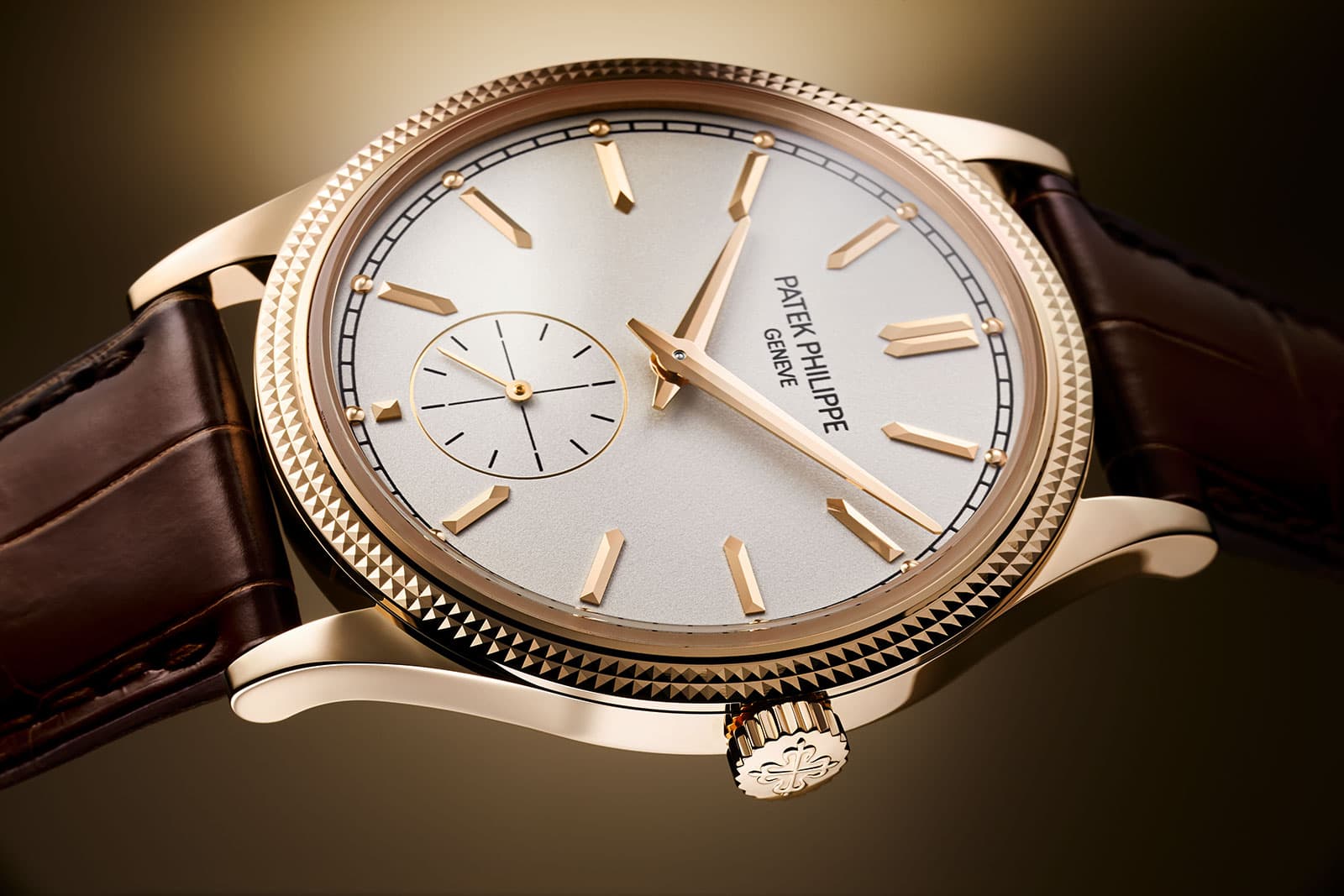
Located in the heart of Plainpalais, Geneva, the Patek Philippe Museum remains the undisputed crown jewel of watch tourism. Celebrating its 25th anniversary in 2026, the museum has recently unveiled a special retrospective exhibition. Walking through the doors is akin to entering a vault of human achievement.
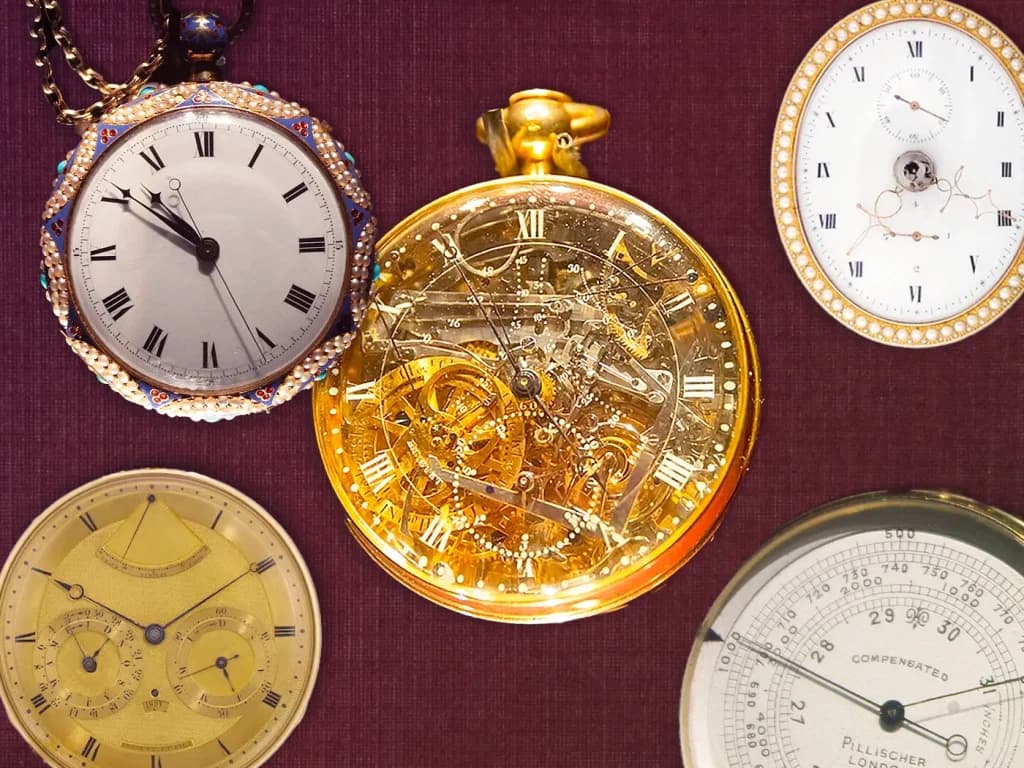
The collection is split into two main sections: the Antiques Collection, featuring watches from the 16th century onwards, and the Patek Philippe Collection, which showcases the brand’s output from 1839 to the present. For those who obsess over the technical evolution of the perpetual calendar or the minute repeater, this is the ultimate Travel Feature destination. You won’t find many desk divers here; instead, you’ll find the very blueprints of high horology.
One of the current highlights on display for the 2026 anniversary is a pristine example of the Reference 1518 in steel—a watch so rare it creates a hush among even the most seasoned journalists.
Technical Highlight: The Museum Star
| Feature | Specification |
|---|---|
| Model | Patek Philippe Ref. 1518 (Stainless Steel) |
| Caliber | 13'''130 Q (Manual Wind) |
| Case Material | Stainless Steel |
| Dimensions | 35mm Diameter |
| Water Resistance | Not specified (Vintage) |
| Complications | Perpetual Calendar, Chronograph, Moonphase |
| Bracelet/Strap | Hand-stitched Alligator Leather |
Audemars Piguet Musée Atelier: Architecture Meets Artistry
In Le Brassus, the Audemars Piguet Musée Atelier continues to be a focal point of any Swiss Travel Feature. The spiral glass structure, designed by BIG (Bjarke Ingels Group), emerges from the landscape like a mainspring. This is not a static museum; it is a living workshop where visitors can watch master watchmakers working on Grandes Complications and finishing movements with breathtaking precision.
For the enthusiast who appreciates the "integrated bracelet" era, the evolution of the Royal Oak is presented in a way that highlights every nuance of its design. You can see the original 1972 prototypes and observe how the lume technology and material science have evolved over five decades. The museum provides an intimate look at the "Jumbo" lineage, allowing you to see the subtle differences in dial textures that drive the secondary market wild.
The Omega Museum and Cité du Temps
Biel/Bienne remains a mandatory stop on our 2026 Travel Feature circuit. The Omega Museum, housed within the stunning Cité du Temps, offers a high-tech, interactive journey. Since the mid-2020s, the museum has integrated augmented reality displays that allow you to "wear" historical Speedmasters via digital overlays—perfect for those who want a virtual wristshot with a piece of lunar history.
Beyond the Moonwatch, the museum pays homage to Omega’s role in Olympic timekeeping and the James Bond franchise. The exhibition of Seamaster models is particularly impressive, showcasing everything from early 1940s dress watches to the most robust modern divers. It’s a place where you can truly appreciate the transition from tool watch utility to luxury icon status.
Seiko Museum Ginza: The Heart of Japanese Precision
Watch tourism isn't restricted to the Swiss valleys. The Seiko Museum in Ginza, Tokyo, is a testament to the brand's "Always one step ahead of the rest" philosophy. In 2026, the museum has expanded its "Grand Seiko" wing to accommodate the growing global fervor for the brand’s unique finishing techniques, such as Zaratsu polishing.
Visitors can explore the history of the Spring Drive movement and see the original Kintaro Hattori clocks. The museum also highlights Seiko's contributions to the quartz revolution, an era that reshaped the entire industry. For the collector who appreciates the "beater" that can take a punch as much as the hand-carved dial, the Seiko Museum provides a balanced and fascinating narrative.
The International Museum of Horology (MIH)
No Travel Feature on watch museums would be complete without mentioning the Musée international d'horlogerie in La Chaux-de-Fonds. This is a museum for the true movement nerds. It focuses less on brand prestige and more on the science of timekeeping. The underground structure houses over 4,500 pieces, including the famous Grand Complication clock by Auguste-Lucien Piguet.
The MIH is currently running a 2026 special exhibit on the restoration of 18th-century marine chronometers. Seeing the intense labor required to preserve these instruments gives one a new appreciation for the durability of modern mechanical watches. It’s a humbling reminder that while we worry about a scratch on our bezel, these machines were built to guide ships across oceans.
Planning Your 2026 Horological Tour
When planning your visits, keep in mind that many of these institutions, particularly the AP Musée Atelier and the Patek Philippe Museum, require advanced booking. The demand for watch-centric travel has peaked in 2026, and walk-ins are increasingly rare.
Consider the timing of your trip to coincide with local watch fairs or auctions to maximize your immersion. The experience of seeing a watch in a museum, understanding its historical context, and then seeing a similar reference on the wrist of a fellow enthusiast at a local café is what makes this hobby so rewarding.
Conclusion
The landscape of watch tourism in 2026 is more vibrant than ever. From the high-tech halls of Biel to the historic ateliers of Le Brassus, these museums provide the essential context that turns a simple time-telling object into a piece of heritage. They remind us that every watch we wear is a descendant of a long line of innovation, craftsmanship, and artistic vision. Whether you are a fan of vintage complications or modern avant-garde design, making the trip to these horological meccas is an investment in your passion that will pay dividends every time you glance down at your own wrist.