Geneva Watch Days Recap: Why Independents are Winning
The dust has finally settled over the shores of Lake Geneva, and as the temporary pavilions are dismantled and the private hotel suites return to their usual quietude, the horological world is left to digest the implications of the past week. Our Event Wrap-up of Geneva Watch Days 2026 confirms a trend that has been simmering for seasons: the giants of the industry are no longer the ones setting the pace. Instead, it is the agile, daring, and fiercely creative independent brands that are capturing the hearts—and the waitlists—of serious collectors. From the decentralized nature of the showcase to the sheer audacity of the releases, this year proved that the 'indie' spirit is the true engine of modern high horology.
The Decentralized Triumph: A Different Kind of Watch Fair
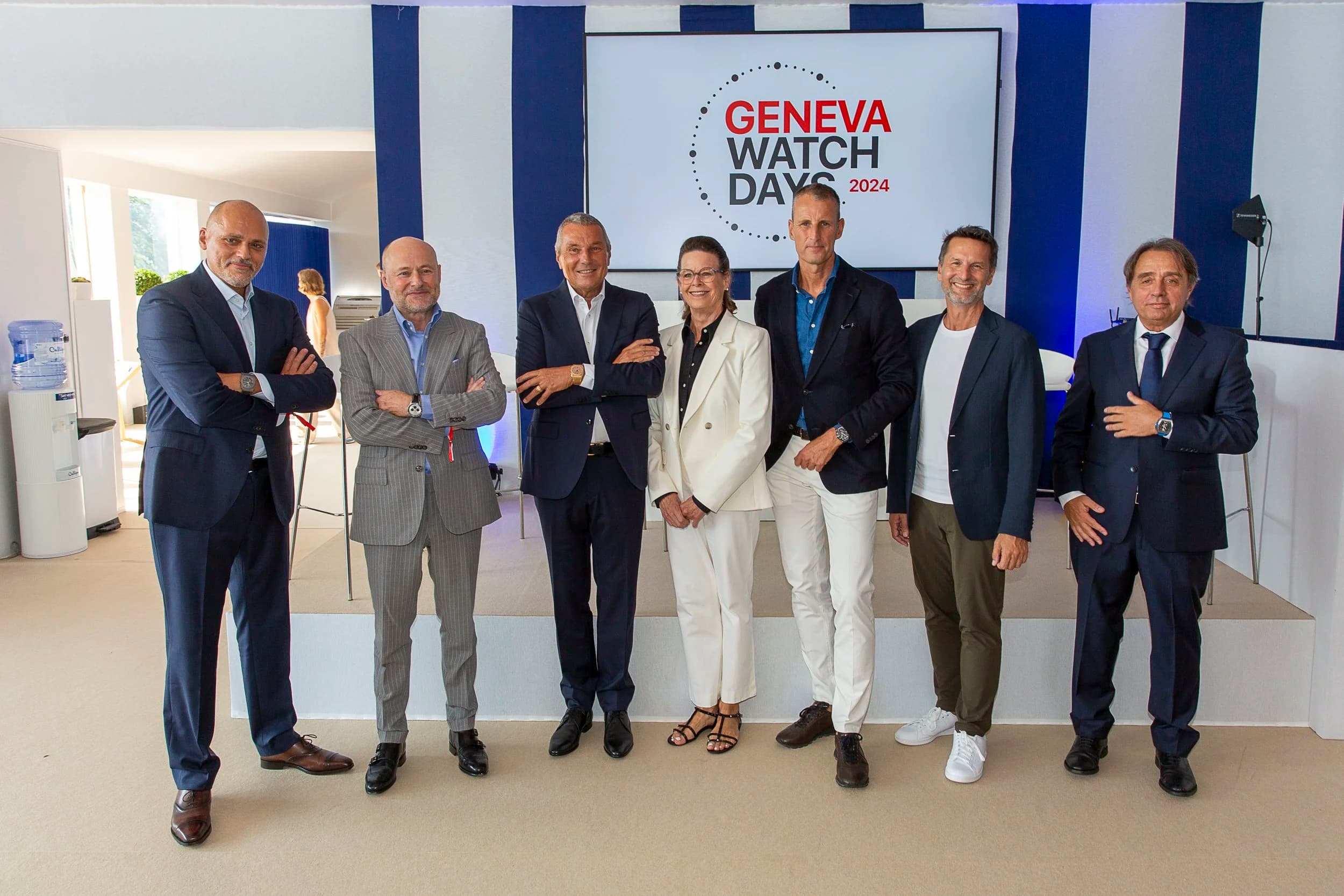
Unlike the monolithic structure of Watches and Wonders, Geneva Watch Days maintains a 'phygital' and decentralized format that mirrors the ethos of the brands it hosts. This year’s Event Wrap-up highlights how this accessibility fosters a unique environment. When you are walking from the Beau-Rivage to the Ritz-Carlton to see the latest from Urwerk or De Bethune, the experience feels less like a corporate trade show and more like a community gathering.
Collectors were seen sporting everything from vintage 'beaters' to six-figure 'grails' while queuing for a glimpse of the new releases. This atmosphere allows for a more intimate connection with the watchmakers themselves. In an era where many large brands are moving toward clinical, boutique-only experiences, the transparency and passion of the independents at Geneva Watch Days 2026 felt like a breath of fresh alpine air.
Why Independents Are Winning the Innovation Race
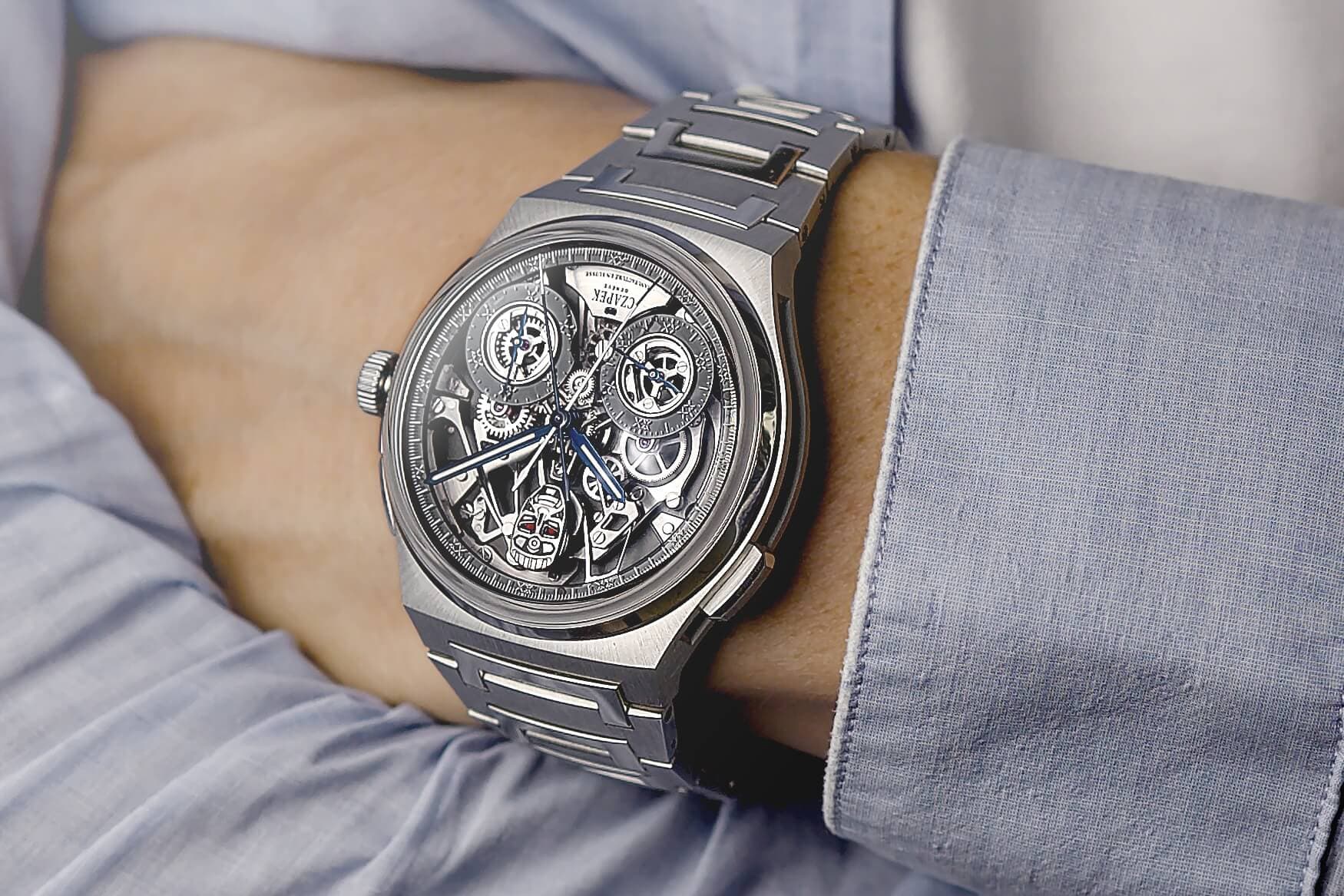
The primary reason for the shift in momentum is simple: risk-taking. While the conglomerate-owned brands often rely on the 'safe' heritage of their archives, the independents are writing new history. We saw this clearly with MB&F, whose latest Horological Machine pushed the boundaries of kinetic art, and Czapek, whose evolution of the Antarctique line continues to redefine the luxury integrated-bracelet sports watch.
These brands aren't just making watches; they are creating mechanical sculptures. They understand that the modern enthusiast isn't just looking for a tool to tell time—they can use their phone for that. They are looking for a story, a mechanical soul, and a level of finishing that requires a loupe to truly appreciate. The 'wristshot' potential of these pieces is off the charts, but the substance goes far deeper than social media aesthetics.
Spotlight: The H. Moser & Cie. Streamliner Cylindrical Tourbillon Skeleton
One of the undisputed stars of our Event Wrap-up was the new iteration of the Streamliner from H. Moser & Cie. Known for their 'Very Rare' approach, Moser showcased a technical tour de force that combined their signature minimalist aesthetic with high-complication mastery. By utilizing tantalum—a notoriously difficult metal to machine—for the case, they’ve created a piece that boasts a unique blue-grey 'patina' right out of the box.
This model perfectly encapsulates why independents are leading the charge. It balances the ruggedness of a 'desk diver' (thanks to its impressive water resistance) with the delicate beauty of a cylindrical tourbillon. Below are the technical specifications for this standout release:
| Feature | Specification |
|---|---|
| Caliber | HMC 811 Manufacture automatic skeleton movement |
| Case Material | Tantalum |
| Dimensions | 42.3 mm Diameter; 11.0 mm Thickness |
| Water Resistance | 120 Meters (12 ATM) |
| Complications | One-minute flying tourbillon with cylindrical hairspring |
| Bracelet/Strap | Integrated Tantalum bracelet with folding clasp |
| Dial | Funnel-shaped sub-dial at 12 o'clock with Globolight® inserts |
The Technical Edge: Materials and Mechanics
Beyond Moser, the technical innovations across the board were staggering. De Bethune continued their obsession with titanium and thermal blueing, presenting a movement that looked more like a warp core than a traditional watch caliber. The focus on ergonomics was also a recurring theme. Even the most avant-garde pieces from Urwerk are designed to sit comfortably on the wrist, proving that 'bold' doesn't have to mean 'unwearable.'
We also noticed a significant trend in 'lume' technology. No longer relegated to simple pips on a diver, luminous materials like Globolight® and ceramic-based Super-LumiNova are being integrated into the movements and cases themselves. This creates a nighttime light show that turns these watches into something otherworldly once the sun sets over Lake Geneva.
The Market Shift: From Commodities to Craft
A crucial takeaway from this year's Event Wrap-up is the changing profile of the watch buyer. The 'hype watch' era, where people bought purely for resale value, is cooling down. In its place is a more discerning collector who values artisanal production. Because many of these independent brands produce fewer than 1,000 pieces a year (some fewer than 50), the scarcity is organic rather than manufactured.
When you buy an independent watch, you are often supporting a specific vision. You aren't just a customer; you're a patron of the horological arts. This emotional connection is something the big groups struggle to replicate. Whether it's the hand-applied anglage on a bridge or the unique way a tantalum case catches the light, these details resonate with enthusiasts who are tired of the 'mass-produced luxury' paradox.
Looking Ahead: The Future of the Independent Movement
As we wrap up our coverage of Geneva Watch Days 2026, the message is clear: the hierarchy of the watch world is being reshaped. The 'Holy Trinity' still holds its place, but the 'New Guard' of independents is no longer just a niche interest for the ultra-wealthy. They are the ones driving the conversation, the ones innovating with materials, and the ones most in tune with the enthusiast community.
For the collector, this is a golden age. The diversity of design, the transparency of the makers, and the sheer mechanical creativity on display this week suggest that the independent sector will only continue to grow. While the larger brands may have the heritage, the independents have the future.
In summary, Geneva Watch Days 2026 was a masterclass in modern horology. It proved that in a world of digital perfection, there is still a profound craving for mechanical imperfection and human-driven ingenuity. The independents didn't just participate this year; they conquered. As we look forward to the rest of the 2026 calendar, the bar has been set exceptionally high.