Rolex 2026: Is the Legendary "Coke" Finally Returning?
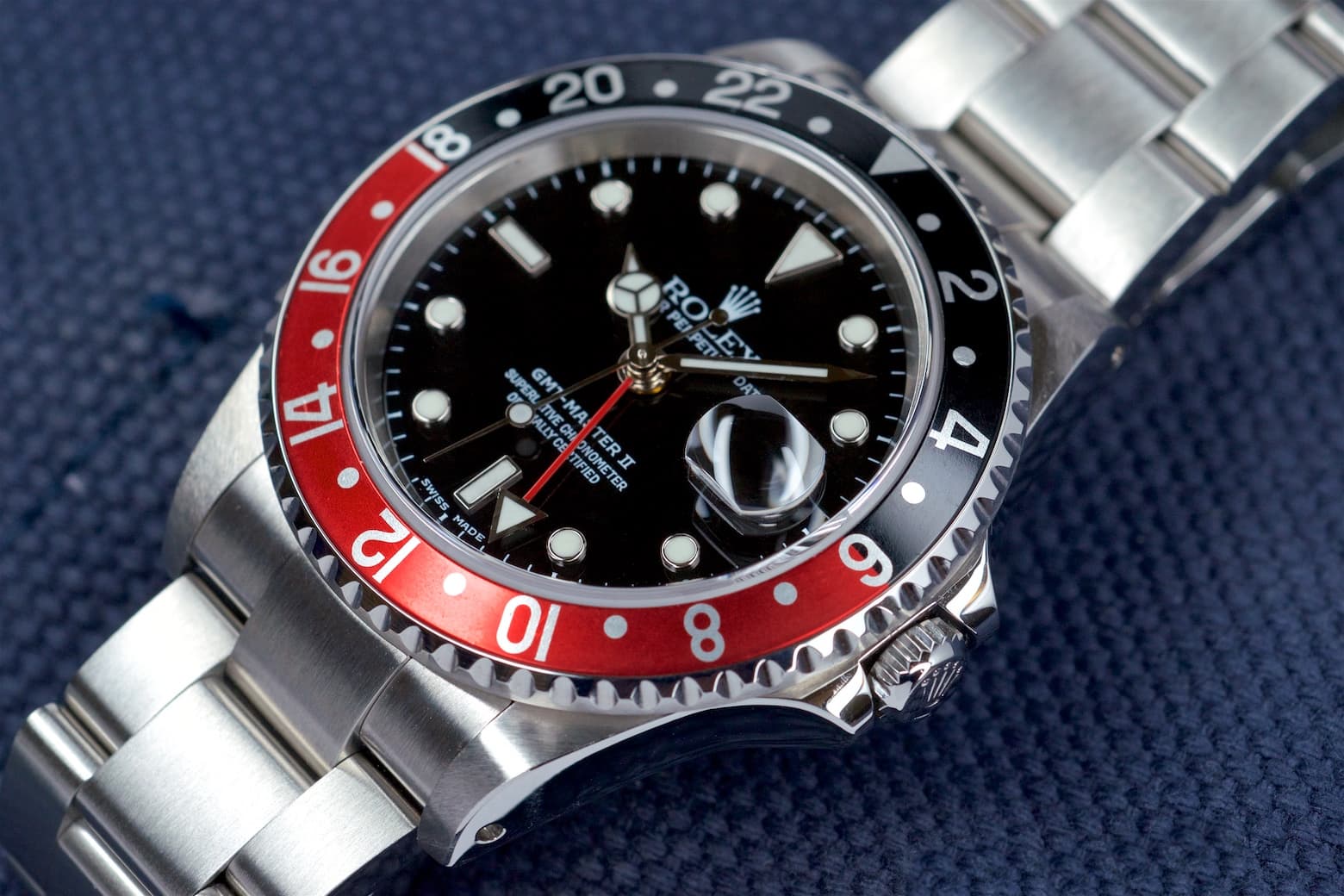
Every year, as the crisp spring air descends upon Geneva ahead of Watches and Wonders, the horological community goes into a frenzy of speculation. However, as we stand here today on March 18, 2026, the whispers have escalated into a deafening roar. The primary subject of this intense industry speculation? The highly anticipated Rolex GMT Master II Coke 2026.
For nearly two decades, collectors have yearned for the return of the iconic red and black bezel. While we must emphasize that this remains a theory based on industry rumors and patent filings, the prospect of a Rolex GMT Master II Coke 2026 is tantalizing. To understand the gravity of this potential release, we must journey through the archives, exploring the brand's founding story, its horological innovations, and the legacy of the quintessential traveler's watch.
A Legacy Forged in Innovation: The Rolex Founding Story
Before we can dissect the rumors surrounding the Rolex GMT Master II Coke 2026, we must wind the mainspring back to the very beginning. Founded in 1905 by Hans Wilsdorf, the brand was built on a singular, uncompromising vision: to create wristwatches that were as robust as they were precise. At a time when pocket watches ruled the day, Wilsdorf foresaw the necessity of a reliable timepiece worn on the wrist.
Rolex’s history is defined by monumental horological innovations. In 1926, the brand introduced the "Oyster" case, the world's first truly waterproof wristwatch case, utilizing a revolutionary system of a screw-down bezel, case back, and winding crown. Just five years later, in 1931, Rolex unveiled the "Perpetual" rotor, a self-winding mechanism that would become the blueprint for modern automatic watches. These twin pillars of durability and autonomous precision set the stage for the brand's most iconic collections—the professional tool watches of the 1950s.
Taking Flight: The Birth of the GMT-Master
The post-war era brought about the golden age of transatlantic aviation, and with it, a new horological challenge. Pilots crossing multiple time zones suffered from "jet lag," and Pan American World Airways approached Rolex to develop a watch that could simultaneously display two time zones.
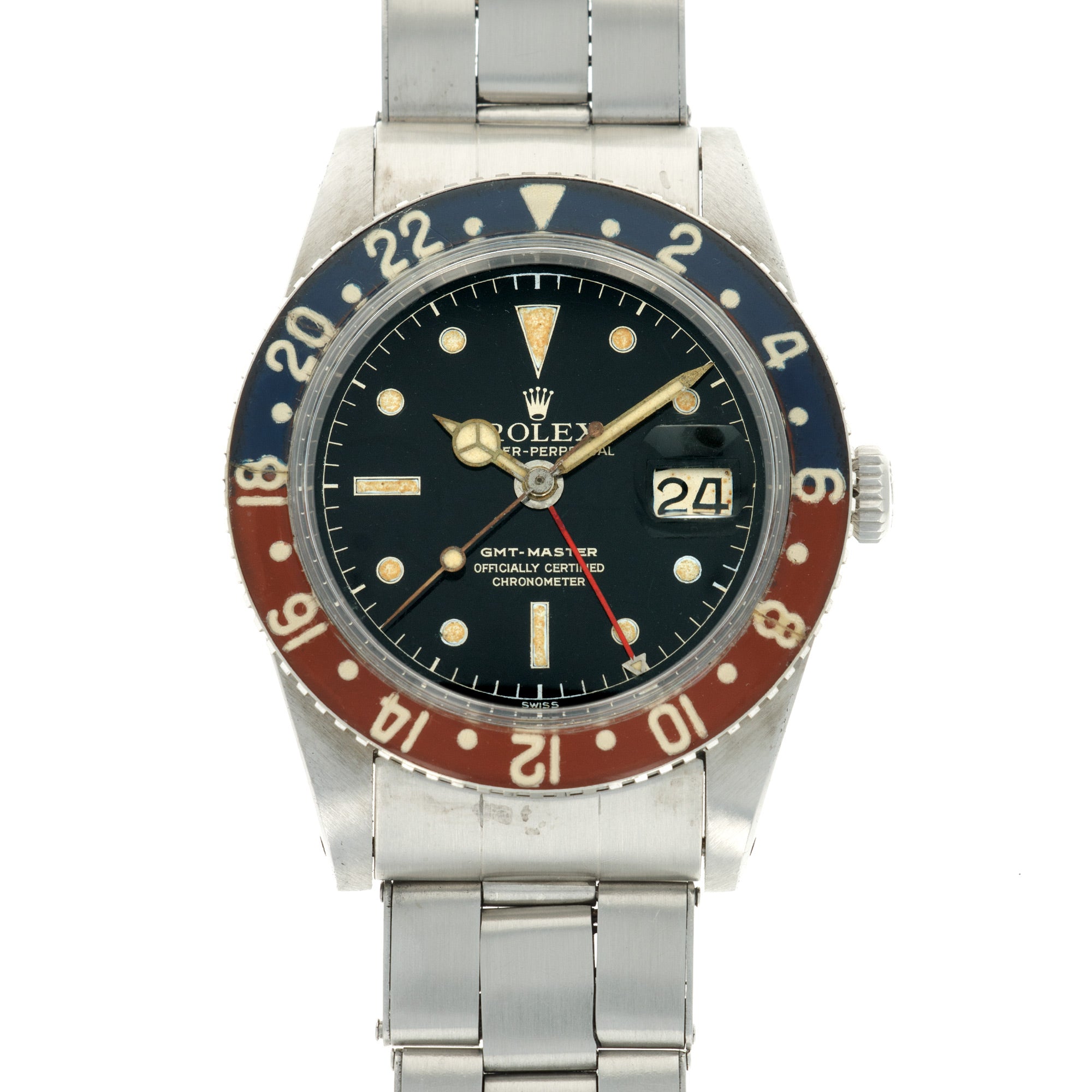
The result was the original GMT-Master (ref. 6542) introduced in 1954. Featuring a fourth hand pointing to a 24-hour scale on a rotating bezel, the watch was an instant triumph. The original model featured a luminescent Bakelite bezel insert in red and blue—affectionately dubbed the "Pepsi"—which delineated daylight hours from nighttime hours. Though Bakelite was soon replaced by more durable aluminum due to its fragility and highly radioactive radium lume, the two-tone bezel became a foundational signature of the brand.
Over the decades, the GMT-Master evolved, spawning variations like the luxurious brown and gold "Root Beer" and the all-black iterations. Yet, it was a specific innovation in the 1980s that paved the way for the subject of our current speculation.
The "Fat Lady" Sings: History of the Coke Bezel
In 1983, Rolex introduced a major horological innovation: the GMT-Master II, via the reference 16760. This new reference featured a thicker case to house the new Caliber 3085, earning it the affectionate collector nicknames "Fat Lady" and "Sophia Loren." The most crucial upgrade was the decoupling of the 24-hour hand from the 12-hour hand, allowing the wearer to independently jump the local hour hand forward or backward without hacking the movement.
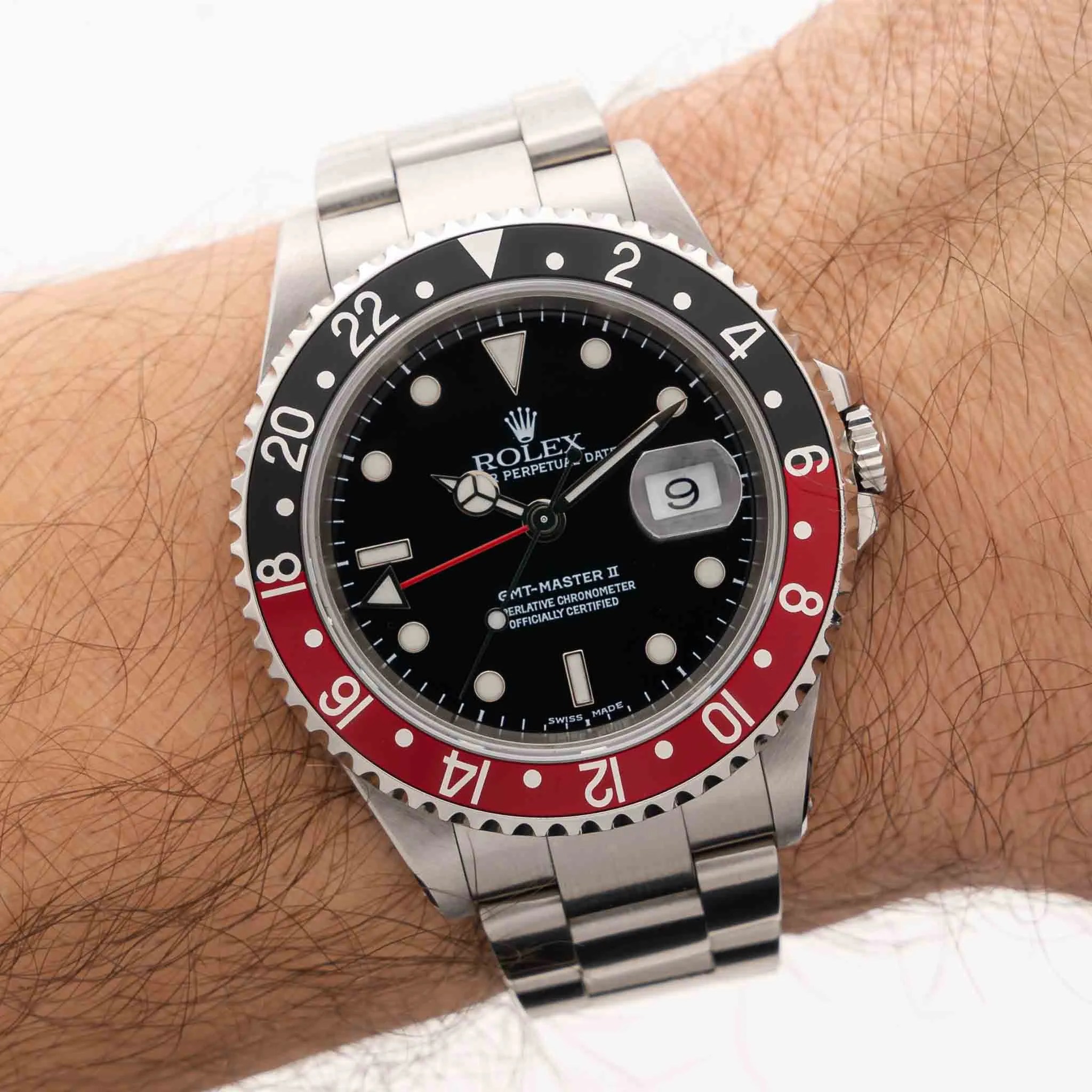
To visually distinguish this new, highly advanced GMT-Master II from the standard GMT-Master, Rolex introduced a brand new bezel colorway: red and black. This dynamic duo quickly earned the moniker "Coke."
The Coke bezel continued its run through the beloved reference 16710, a darling of the neo-vintage era. Collectors today cherish the way the aluminum Coke inserts develop a unique patina over time, with the brilliant red fading to soft cherry or pink, and the stark black softening to a charcoal gray. Sadly, with the advent of the six-digit ceramic (Cerachrom) references in 2007, the Coke was unceremoniously discontinued.
The Cerachrom Conundrum and the Rolex GMT Master II Coke 2026
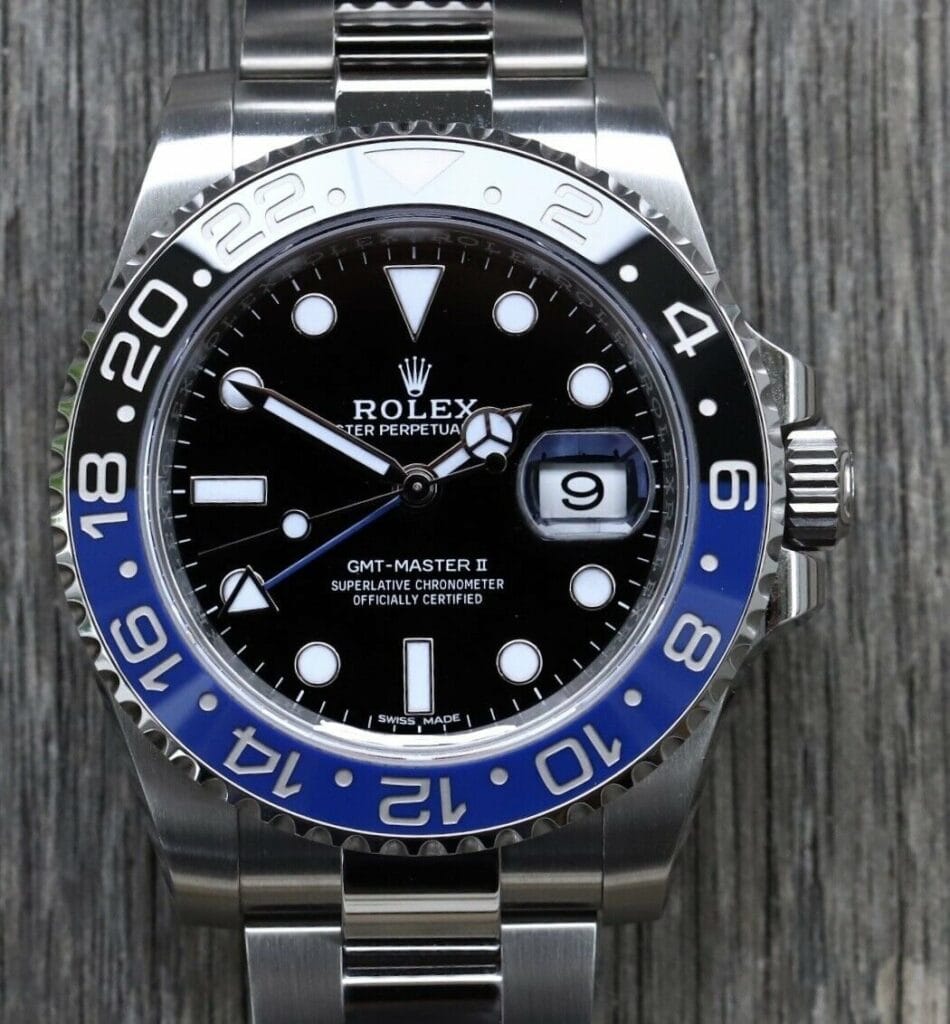
When Rolex transitioned to proprietary Cerachrom bezels, producing a two-tone ceramic insert from a single piece of material was deemed nearly impossible. Rolex conquered this with the blue and black "Batman" in 2013, and eventually the red and blue "Pepsi" in 2014. Yet, the red and black Coke remained notably absent.
So, what fuels the fire for the Rolex GMT Master II Coke 2026? Over the past few years, eagle-eyed enthusiasts have uncovered patent filings from the Swiss giant detailing new methods for producing red and black ceramic. Furthermore, Rolex has a long-standing tradition of slow, deliberate iteration. With the Pepsi having enjoyed a long production run and rumors of production yields for the red and blue ceramic being notoriously difficult, shifting focus to a red and black bezel makes logistical and historical sense.
If the Rolex GMT Master II Coke 2026 does make an appearance, we predict it will be housed in the brand's contemporary 40mm Oystersteel case. The dial will likely feature the brand's piercing blue Chromalight lume, offering a stark, modern contrast to the vintage tritium found on the 16760. We would expect the Rolex GMT Master II Coke 2026 to be offered on both the sporty Oyster bracelet with polished center links and the exceptionally comfortable five-link Jubilee bracelet.
The Ultimate "What-If" Scenario
Securing a Rolex GMT Master II Coke 2026 at retail will undoubtedly be a Herculean task, requiring years of purchase history and strong relationships with Authorized Dealers. The modern watch market thrives on nostalgia, and marrying the high-tech, scratch-resistant allure of a pristine Cerachrom bezel with the retro charm of the 1980s Coke aesthetic is a guaranteed recipe for a waitlist phenomenon.
Ultimately, the Rolex GMT Master II Coke 2026 remains our most anticipated speculative release of the year. Whether you are a purist who prefers the faded patina of a vintage 16710, or a modern collector ready to capture the ultimate wristshot of a brand-new ceramic masterpiece, the return of the Coke would be a monumental chapter in the brand's storied history. Until the curtains are finally drawn at Watches and Wonders, we will keep our eyes on the horizon, waiting to see if the crown will finally quench our thirst.