Bronze Patina: Is the Trend Still Cool?
In the fast-paced world of horology, where ceramic bezels and titanium cases often dominate the conversation, one material continues to age—literally—with a grace that defies modern manufacturing standards. As we reach the end of the year, collectors and enthusiasts are asking a pivotal question: is the bronze watch trend 2024 still the benchmark for character, or has the novelty finally tarnished?
For some, a bronze timepiece is the ultimate "grail" for its ability to tell a story through its changing surface. For others, it is a polarizing choice that borders on a "desk diver" gimmick. However, looking at the releases from this past year, it is clear that the industry's fascination with this copper-based alloy is far from over. From boutique micro-brands to industry titans, the focus has shifted from merely using the material to mastering the specific science of the oxidation process.
The Evolution of the Bronze Watch Trend 2024
When Panerai released the PAM 382 "Bronzo" back in 2011, it sparked a revolution. What was once seen as a maritime relic became a symbol of rugged luxury. Fast forward to the present, and the bronze watch trend 2024 has matured. We are no longer in the era of "forced patina" experiments involving boiled eggs and vinegar; today’s collector values a slow, natural transition that reflects their personal lifestyle.
In 2024, we saw brands moving away from the chunky, overbuilt aesthetics of the past toward more refined, mid-sized offerings. The trend this year has been the "all-bronze" look—not just the case, but integrated bronze bracelets that develop a uniform patina alongside the watch head. This evolution suggests that bronze has transitioned from a seasonal fad into a permanent category within the luxury watch landscape.
Why the Patina Narrative Still Resonates
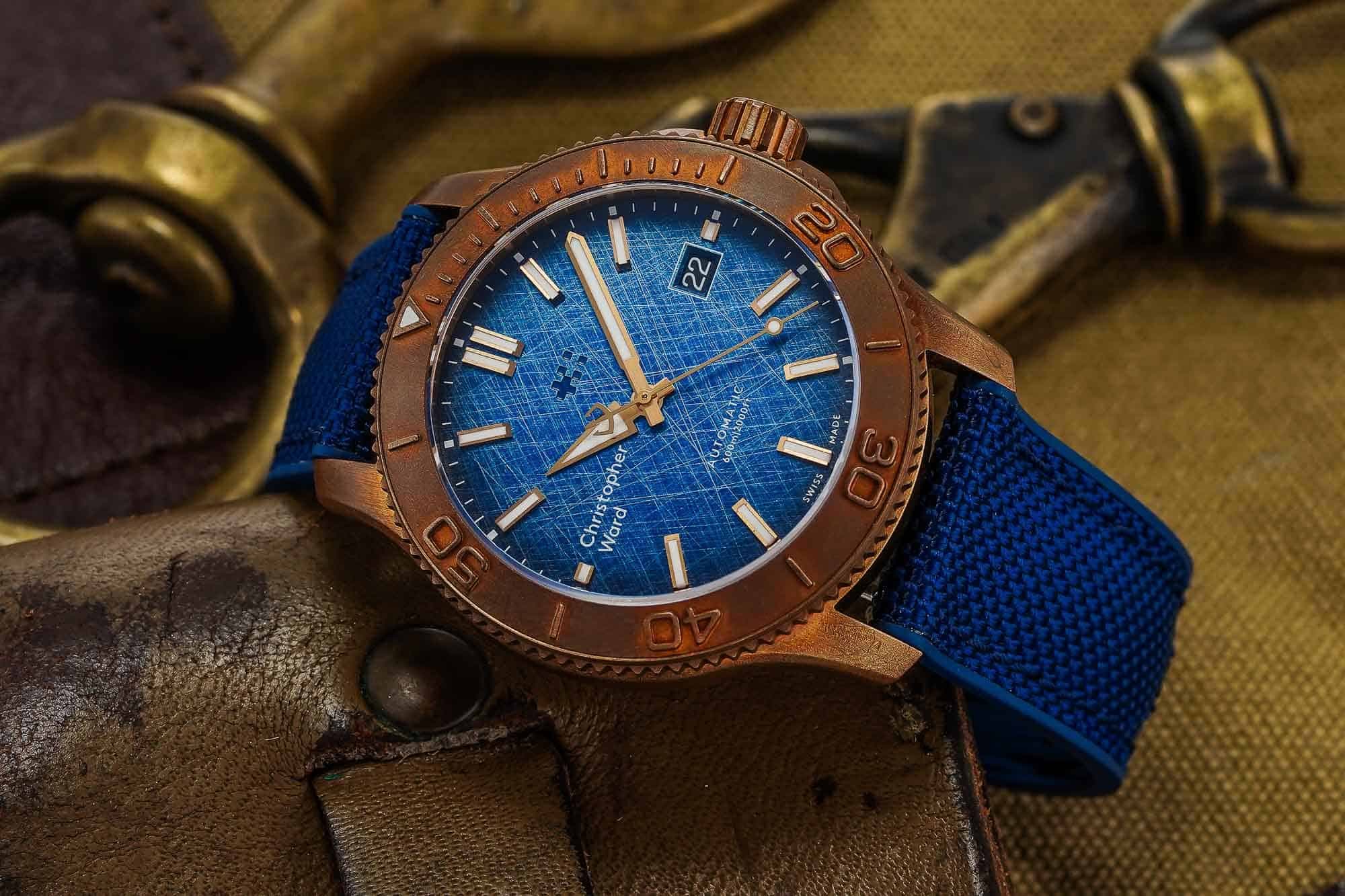
The allure of bronze lies in its subjectivity. Unlike stainless steel, which is prized for its ability to remain pristine, bronze is a "living" material. Every wristshot shared on social media reveals a different shade, from a warm, rose-gold hue to a deep, chocolate brown or even the occasional hints of verdigris.
For the modern enthusiast, this creates a unique emotional connection. Your bronze watch will never look exactly like someone else’s. Whether you are taking it into the salt spray of the ocean or wearing it as a daily beater in a climate-controlled office, the environment dictates the aesthetic. This level of personalization is something that even the most expensive platinum timepieces cannot offer.
Spotlight: The Tudor Black Bay 58 Bronze
Perhaps no watch better encapsulates the peak of the bronze watch trend 2024 than the Tudor Black Bay 58 Bronze. Originally a boutique-exclusive, this model has become a staple for those seeking a high-performance tool watch with a vintage soul. Tudor utilizes an aluminum-bronze alloy, which ensures the patina develops slowly and evenly, avoiding the splotchy green oxidation that can sometimes plague cheaper tin-bronze alloys.
| Feature | Specification |
|---|---|
| Caliber | Manufacture Calibre MT5400 (COSC) |
| Case Material | Satin-brushed bronze |
| Dimensions | 39mm diameter, 11.9mm thickness |
| Water Resistance | 200m (660 ft) |
| Complications | Hours, minutes, seconds (No-date) |
| Bracelet/Strap | Bronze bracelet with "T-fit" rapid adjustment clasp |
This model is particularly beloved for its "T-fit" clasp, which allows for micro-adjustments on the fly—a necessity when the weight of a full bronze watch fluctuates on the wrist during warmer months. The lume on the "Explorer-style" 3-6-9 dial remains legendary, providing a stark, functional contrast to the warm tones of the aging case.
The Science of Aging: Aluminum Bronze vs. CuSn8
One of the reasons the bronze watch trend 2024 has remained relevant is the technical diversity in the alloys used. Not all bronze is created equal. Most entry-level and micro-brand bronze watches use CuSn8, a marine-grade tin bronze that oxidizes relatively quickly and can lean toward a reddish-orange hue.
Conversely, brands like Tudor and IWC often opt for aluminum bronze. By adding aluminum to the copper, the alloy becomes significantly more corrosion-resistant. Instead of turning green, it typically darkens into a sophisticated matte brown that mimics the look of an antique nautical instrument. This refinement has helped bronze shed its "novelty" label and gain acceptance in more formal settings, proving that a well-patinated watch can look just as good with a blazer as it does with a wetsuit.
Is Bronze Practical for a Daily Beater?
While the aesthetic appeal is undeniable, the practicality of bronze is often debated in enthusiast circles. There are a few "growing pains" associated with the material:
- Skin Discoloration: Copper reacts with sweat, which can leave a harmless green mark on the wrist. Most brands mitigate this by using stainless steel or titanium case backs.
- The "Penny" Smell: Freshly oxidized bronze can have a distinct metallic scent. For many, this is part of the charm; for others, it's a dealbreaker.
- Weight: Bronze is denser than stainless steel. On a full bracelet, a watch like the Black Bay 58 Bronze has a significant "wrist presence" that you’ll feel throughout the day.
Despite these quirks, the bronze watch remains a favorite for those who view their collection as a journey rather than a destination. It is the antithesis of the "safe" choice, appealing to those who aren't afraid of a little character.
The Verdict: A Trend or a Mainstay?
As we look toward 2025, it is evident that the bronze watch trend 2024 has successfully navigated the transition from a niche interest to a respected pillar of watch design. The material offers a tactile and visual experience that no other metal can replicate. It rewards the wearer for their time, changing and adapting as the years pass.
Whether you are looking for a rugged desk diver to accompany you on weekend adventures or a unique piece to round out a collection of steel and gold, bronze offers a value proposition rooted in heritage and individuality. The trend isn't just "cool"—it has become a foundational element of modern horology, proving that sometimes, things really do get better with age.
If you have been on the fence about adding a bronze piece to your watch box, now is the time to embrace the patina. The market has never been more diverse, and the technology behind these alloys has never been better. Bronze is no longer a fleeting fashion statement; it is a celebration of the passage of time itself.