Biometric Horology: Mechanical Health Tracking
In the world of high-end horology, the pendulum often swings between reverence for the past and a desperate sprint toward the future. As of June 22, 2026, we find ourselves at a fascinating crossroads where these two paths have finally merged into what collectors are calling 'The Biological Era.' For years, the idea of health tracking was relegated to silicon-based wearables—devices that, while functional, lacked the soul of a mechanical heartbeat. Today, in this Tech Deep-Dive, we examine the rise of Biometric Horology: the art of measuring the human condition through gears, springs, and levers rather than pixels and processors.
The Shift from Silicon to Steel
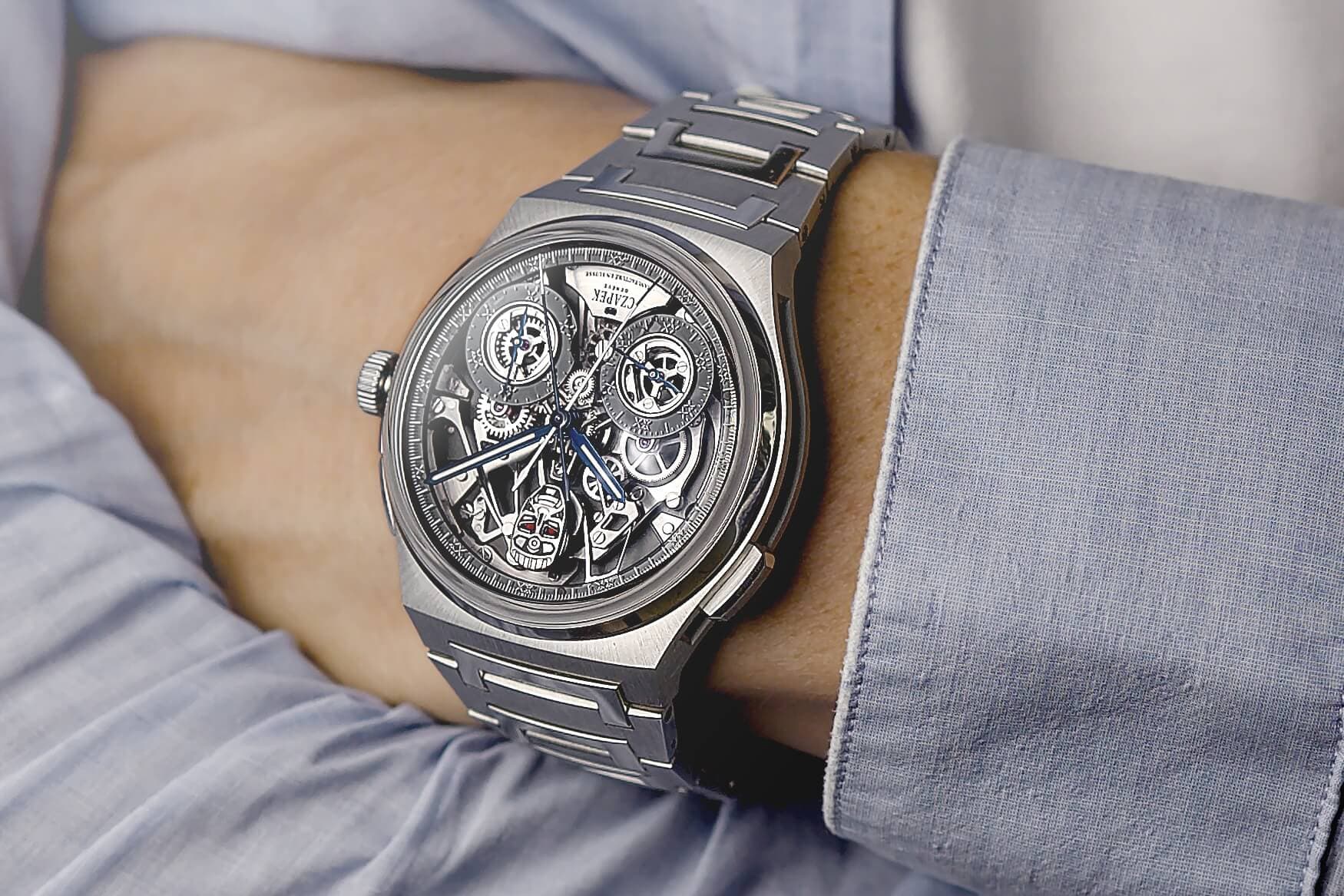
For decades, the "smartwatch" was seen as the antithesis of the "grail" watch. Purists argued that a timepiece intended to last generations should not be tethered to a lithium-ion battery with a three-year lifespan. However, the landscape shifted in early 2025 when several independent manufactures began experimenting with micro-mechanical sensors capable of translating physical vibrations—specifically the radial pulse—into kinetic energy that influences a complication’s display.
This Tech Deep-Dive highlights how these advancements aren't just about adding a 'gadget' to a movement. Instead, they represent a fundamental evolution of the pulsometer scale, a complication historically favored by doctors. Where a vintage pulsometer required the wearer to manually start a chronograph and count beats, the new generation of biometric calibers uses MEMS (Micro-Electro-Mechanical Systems) integrated directly into the escapement to provide real-time, analog feedback of the wearer’s heart rate.
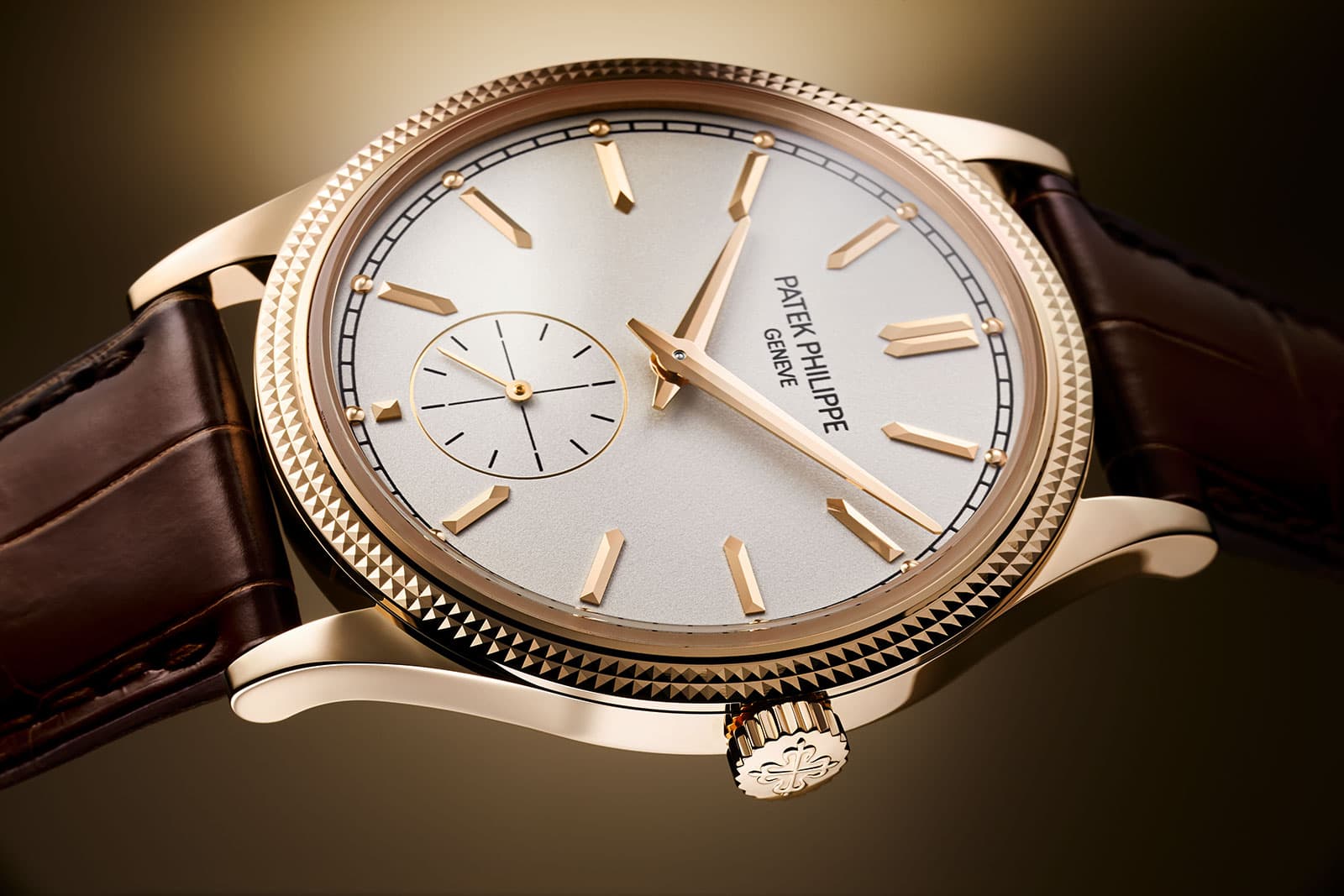
Case Study: The Patek Philippe Ref. 6301H "Bio-Acoustic"
Released earlier this year at the 2026 Geneva salon, the Patek Philippe Ref. 6301H has become the gold standard for this new category. It is a masterpiece that bridges the gap between a high-complication beater (if one could ever call a Patek such a thing) and a medical-grade instrument.
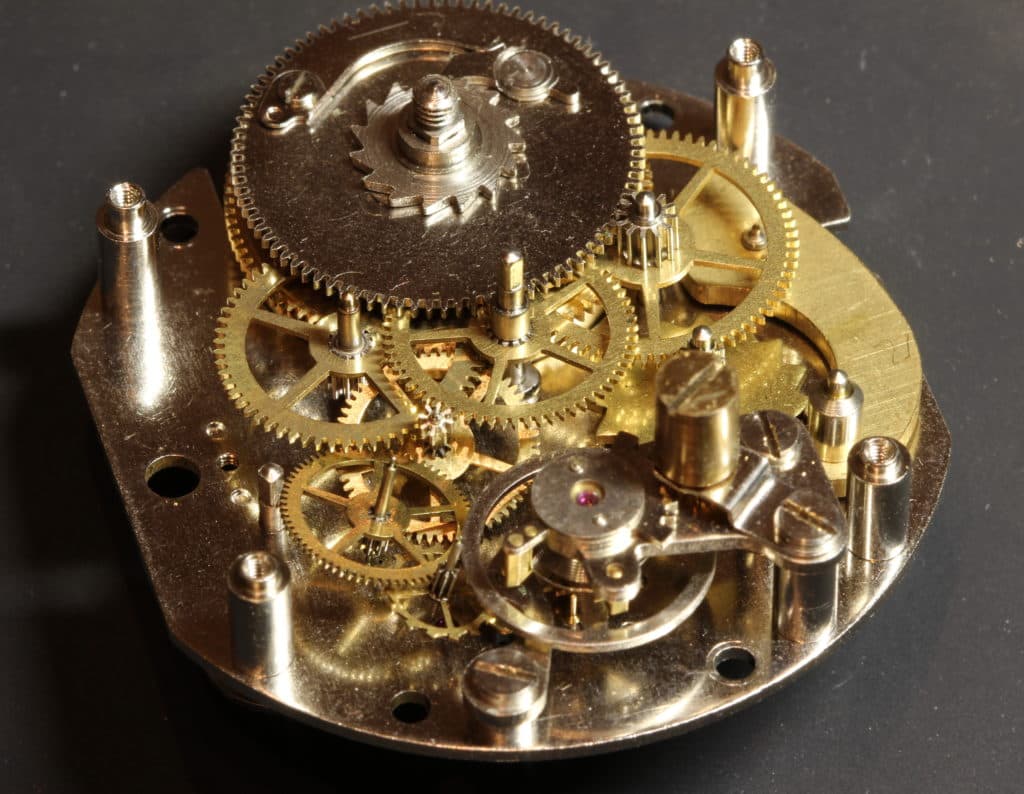
The 6301H utilizes a proprietary "Resonance Sensor" located at the case back, which sits flush against the wrist. This sensor captures the mechanical resonance of the wearer's pulse and, through a series of differential gears, moves a retrograde hand on the dial. There is no Bluetooth, no screen, and no charging port. It is pure, unadulterated mechanical engineering.
| Feature | Specification |
|---|---|
| Caliber | GS 36-750 PS BIO (Manual Wind) |
| Case Material | 950 Platinum |
| Dimensions | 42mm Diameter, 12.2mm Thickness |
| Water Resistance | 30 Meters (100 Feet) |
| Complications | Grande Sonnerie, Petite Sonnerie, Jumping Seconds, Retrograde Heart Rate Monitor |
| Bracelet/Strap | Hand-stitched alligator leather with platinum fold-over clasp |
Engineering the Mechanical Pulse
One might wonder how a mechanical movement can possibly provide accurate health data. The secret, as we discovered in our Tech Deep-Dive into the manufacture’s blueprints, lies in the balance wheel's frequency modulation. By using a silicon hairspring with variable inertia, the movement can 'sync' its secondary gear train to the micro-vibrations of the wearer’s skin.
When the wearer’s heart rate increases, the increased pressure against the case back sensor slightly adjusts the tension on a secondary feedback spring. This doesn't affect the timekeeping of the primary movement—ensuring the watch remains a chronometer—but it drives the biometric sub-dial with surprising accuracy. It’s the kind of innovation that makes a seasoned collector want to post a wristshot every hour just to show the needle moving during a morning jog or a tense board meeting.
The Aesthetic of Health
Beyond the technical prowess, there is the matter of aesthetics. Traditional health trackers are often eyesores, but the biometric watches of 2026 are designed with the same 'finish' and 'anglage' we expect from the Holy Trinity. The lume on these pieces is often dual-toned; for instance, the Patek Ref. 6301H uses a soft green Super-LumiNova for the time, while the heart rate scale glows in a subtle, deep crimson.
Critics once feared that adding biometric sensors would ruin the classic lines of a luxury watch, leading to the dreaded 'desk diver' bulkiness. However, the integration has been remarkably slim. By utilizing the space usually reserved for a power reserve indicator, designers have kept the cases elegant. Furthermore, the use of grade 5 titanium and platinum ensures that these watches develop a unique patina over time, unlike the disposable plastic shells of yesterday’s tech.
Why the Purists are Winning
The most surprising takeaway from this Tech Deep-Dive is the demographic shift. Younger collectors, who grew up with an Apple Watch on their wrist, are now seeking something more permanent. They want the data, but they want it delivered through the soul of a mechanical movement. They are looking for that grail piece that tells them not just the time of day, but the rhythm of their own life.
We are also seeing a rise in the 'Mechanical Wellness' movement. Brands like Vacheron Constantin have introduced 'Breathing Guides'—complications that use a slow-moving fusée-and-chain system to help the wearer pace their inhalation and exhalation. It is horology as a form of meditation, a far cry from the buzzing haptics of a smartphone.
The Future of the Mechanical Interface
As we look toward the latter half of 2026, the horizon for biometric horology seems limitless. There are rumors of a collaboration between a major Swiss house and a biotech firm to develop a mechanical glucose monitor that uses a micro-needle integrated into the strap buckle. While that may be a few years away, the current state of mechanical health tracking proves that the industry is no longer afraid of 'smart' functionality—as long as it is executed with heritage craftsmanship.
In this Tech Deep-Dive, we have seen that the heart of a watch and the heart of a human are more similar than we once thought. Both require care, both are driven by a rhythmic pulse, and both are capable of incredible precision when tuned correctly.
Conclusion
Biometric horology is not a passing fad; it is the logical evolution of the mechanical tool watch. By integrating health tracking into the movement itself, brands like Patek Philippe and Audemars Piguet are ensuring that the mechanical watch remains relevant in a data-driven world. These pieces offer the perfect blend of utility and artistry, proving that you don't need a digital screen to stay connected to your body. Whether you are looking for your next beater for active wear or a grail to pass down to the next generation, the biometric mechanical watch represents the pinnacle of 2026 watchmaking technology. The gears are turning, the pulse is steady, and the future of heritage horology has never looked healthier.