Tool-Luxury: Why We Buy Divers to Sit at Desks
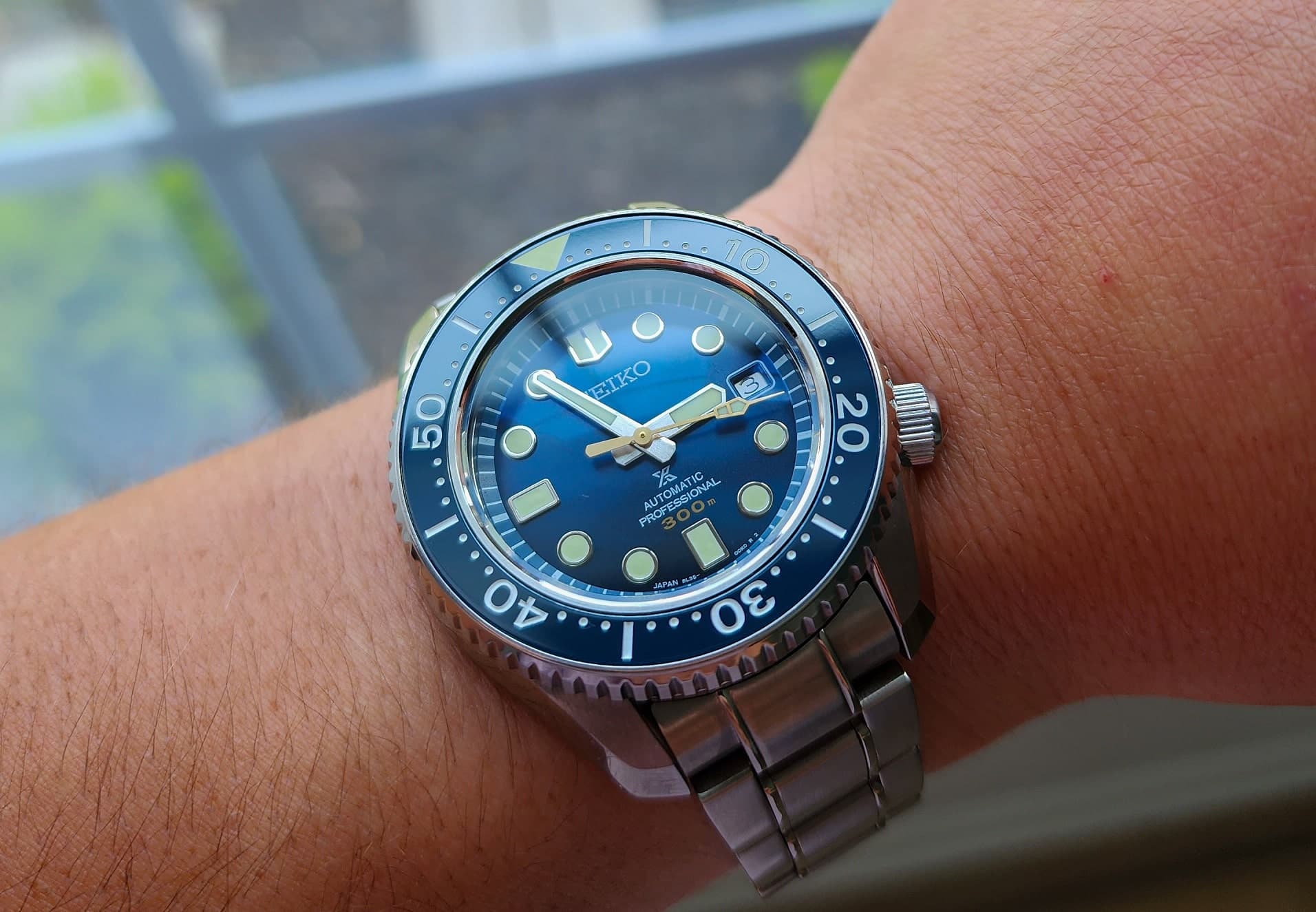
In the world of high-end horology, there exists a curious, almost poetic contradiction. We live in an era where the most advanced diving computers can be strapped to a wrist for a few hundred dollars, yet the demand for luxury tool watches—mechanical marvels costing thousands—has never been higher. Most of these timepieces will never see a coral reef, let alone the dark abyss of a saturation dive. Instead, they find their natural habitat under the fluorescent lights of a boardroom or peeking out from a crisp shirt cuff during a morning commute. This is the era of the "desk diver," and it represents a fascinating intersection of engineering, status, and heritage.
The Paradox of the Professional Diver
To the uninitiated, buying a watch capable of withstanding 300 meters of water pressure to wear it while typing an email seems absurd. It is the horological equivalent of driving a Land Rover Defender through downtown Manhattan—a vehicle designed for the Serengeti navigating nothing more treacherous than a pothole on 5th Avenue. However, for the enthusiast, the appeal of luxury tool watches lies not in the necessity of their functions, but in the potential of their performance.
When we strap on a diver, we aren’t just wearing a clock; we are wearing a piece of survival equipment. There is an inherent romanticism in knowing that while you are sipping an espresso, your watch is technically prepared to survive a North Sea gale. It is this "over-engineering" that defines the luxury segment. We aren't paying for what we will do; we are paying for what the watch can do.
From the Abyss to the Boardroom
The transition of the dive watch from a niche military instrument to a global style icon began in the mid-20th century. In 1953, the release of the Blancpain Fifty Fathoms and the Rolex Submariner changed the landscape forever. These weren't fashion statements; they were essential gear for frogmen and oceanographers. They featured high-legibility lume, rotating bezels for tracking oxygen, and robust cases built to defy the crushing weight of the sea.
As the decades passed, these instruments began to acquire a different kind of patina—one of prestige. Once James Bond paired a Submariner with a tuxedo in Dr. No, the "tool-luxury" segment was born. The ruggedness of the watch suggested an adventurous spirit, while the craftsmanship signaled success. Today, the modern collector seeks out a "grail" diver not because they intend to hunt shipwrecks, but because these watches represent the pinnacle of mechanical durability.
The Anatomy of an Icon: The Rolex Submariner
To understand why luxury tool watches dominate the market, one must look at the benchmark: the Rolex Submariner Date 126610LN. It is the quintessential "desk diver." It offers a level of finishing that rivals dress watches, yet it remains a tank on the wrist.
| Feature | Specification |
|---|---|
| Caliber | Rolex Manufacture 3235 (Automatic) |
| Case Material | Oystersteel (904L Stainless Steel) |
| Dimensions | 41mm Diameter, 12.3mm Thickness |
| Water Resistance | 300 Meters (1,000 Feet) |
| Complications | Instantaneous Date with Cyclops Lens |
| Bezel | Unidirectional Cerachrom Ceramic Insert |
| Bracelet/Strap | Oyster Bracelet with Glidelock Extension |
| Power Reserve | Approximately 70 Hours |
This specific model exemplifies why the "tool" aspect is so vital to the luxury experience. The Glidelock extension system was designed to fit over a thick neoprene wetsuit. In the office, however, it serves a much more common purpose: adjusting the fit when your wrist expands in the afternoon heat. It is a professional solution to a mundane problem, and that is exactly why we love it.
Why "Over-Engineered" is the Ultimate Luxury
In a world of planned obsolescence and disposable technology, luxury tool watches offer a sense of permanence. There is a psychological comfort in the tactile click of a 120-click unidirectional bezel or the secure screw-down crown. These features provide a sensory experience that a smartwatch simply cannot replicate.
Furthermore, the "beater" philosophy has shifted. While a true beater is a watch you don't mind scratching, many collectors now treat their luxury divers as "refined beaters." They are watches that can survive a weekend in the Hamptons or a hike in the Alps, but still look impeccable when paired with a blazer on Monday. The versatility of a black-dial diver is unmatched; it is the "Little Black Dress" of the horological world.
The Aesthetic of the Desk Diver
Let’s be honest: aesthetics play a massive role. The bold markers, the oversized hands filled with Super-LumiNova, and the chunky proportions create a "wristshot" that commands attention. There is a rugged handsomeness to a dive watch that a slim, gold Calatrava lacks. It suggests the wearer is someone who values utility and strength, even if their most dangerous daily activity is a high-stakes negotiation.
We also cannot ignore the community aspect. The terminology we use—referring to the "fauxtina" on a Tudor Black Bay or the "rehaut" on a Rolex—binds enthusiasts together. When you spot another professional wearing a high-end diver at a conference, there is an immediate, unspoken recognition of shared values: an appreciation for history, engineering, and the enduring legacy of the golden age of exploration.
The Future of Tool-Luxury
As of January 2024, the trend shows no signs of slowing down. Brands like Omega continue to push the boundaries with the Seamaster Ultra Deep, a watch capable of depths that would crush a submarine, yet it is sold to people who will wear it to brunch. This isn't a failure of logic; it is a triumph of branding and mechanical art.
We buy luxury tool watches because they remind us of a world outside our cubicles. They are a tether to the great unknown, a piece of equipment that says we are ready for anything, even if "anything" just means a long meeting and a commute home.
Conclusion
The rise of the desk diver isn't a sign that we've lost touch with the functional roots of horology. Rather, it is a testament to the enduring power of great design and superior engineering. We buy these watches because they represent the best of what humanity can build—objects that are beautiful, precise, and virtually indestructible. Whether you are 300 meters below the surface or 30 stories up in a skyscraper, a luxury tool watch remains the ultimate companion for the modern man. It’s a piece of heritage on the wrist, a conversation starter, and a reminder that excellence is worth pursuing, even in the most ordinary of settings.