The Steel Sport Bubble: Analyzing 2020 Price Spikes
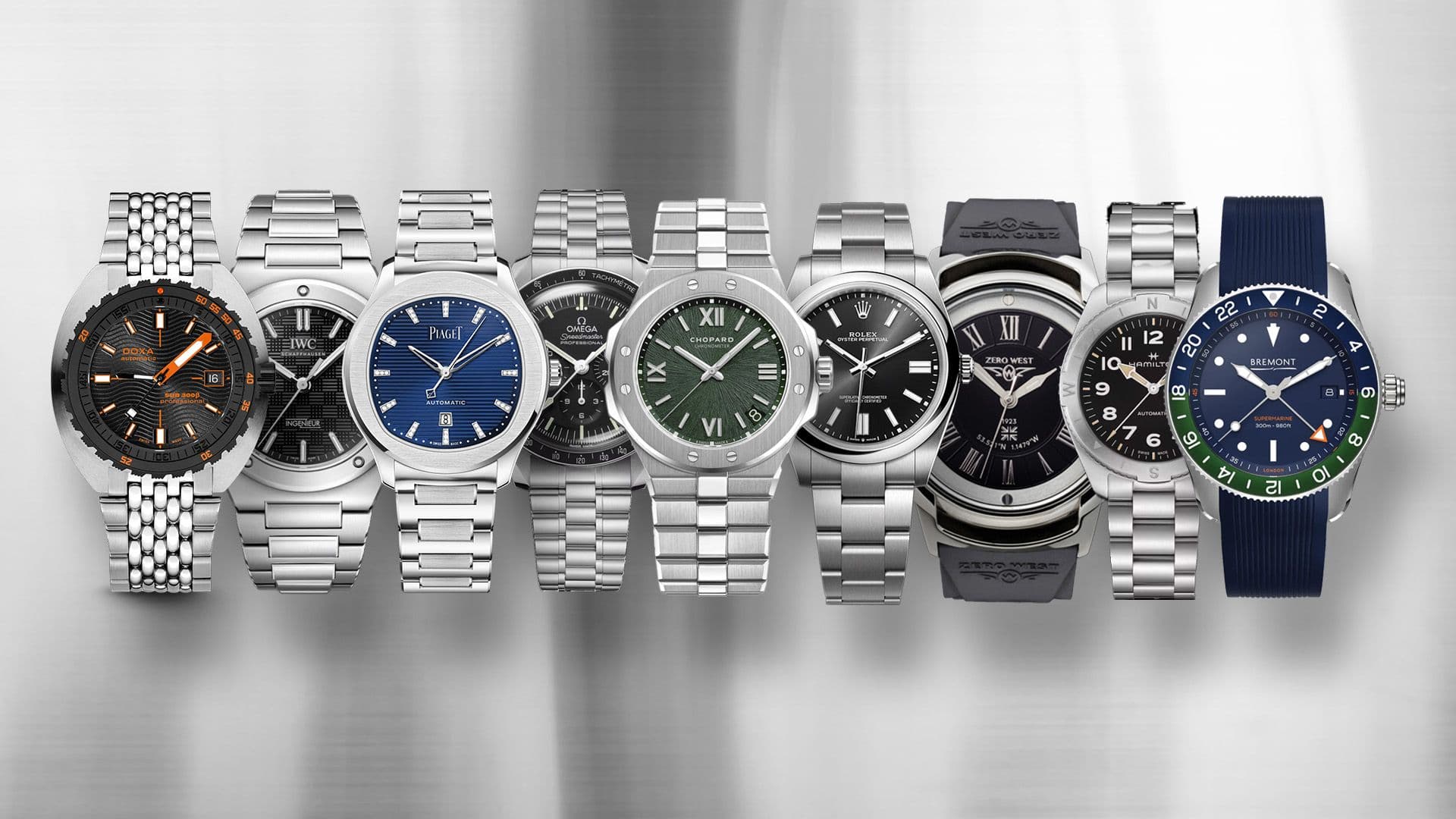
In the world of high-end horology, 2020 has been a year of unprecedented volatility and surprising resilience. While the global economy has faced significant headwinds, the secondary market for stainless steel sports watches has detached itself from traditional financial gravity. Collectors and casual observers alike are staring at the skyrocketing valuations of pieces that were, until a few years ago, readily available at authorized dealers. This phenomenon, increasingly referred to as the steel watch bubble, has transformed the hobby from a pursuit of mechanical excellence into a high-stakes game of asset appreciation.
As of mid-November 2020, the demand for "hype watches" has reached a crescendo. Whether you are looking for a rugged beater or a definitive grail, the price of entry has shifted. We aren't just seeing small premiums anymore; we are seeing steel timepieces trade for double, triple, or even quadruple their suggested retail prices. But what is driving this surge, and is the bubble destined to burst?
The Icons of the Integrated Bracelet
At the heart of the steel watch bubble are the integrated-bracelet sports watches designed by the legendary Gérald Genta and his contemporaries. The Patek Philippe Nautilus and the Audemars Piguet Royal Oak have become the ultimate status symbols of the era. In 2020, the Nautilus Ref. 5711/1A has transcended its status as a mere timepiece to become a liquid asset.
What makes this particularly fascinating is that these are, fundamentally, simple steel watches. They lack the precious metal weight of a platinum piece or the complexity of a perpetual calendar, yet their market value continues to climb. The allure of the blue dial, the thinness of the case, and the prestigious name on the bridge have created a perfect storm of desirability. For many, the 5711 is no longer a watch to be worn while checking the lume during a late-night stroll; it is a trophy kept in a safe.
To understand the technical foundation of the watch currently sitting at the center of this market frenzy, let’s look at the specifications of the most coveted variant:
| Feature | Specification |
|---|---|
| Model | Patek Philippe Nautilus 5711/1A-010 |
| Caliber | Self-winding 26-330 S C |
| Case Material | Stainless Steel |
| Dimensions | 40mm (10-4 o'clock), 8.3mm thickness |
| Water Resistance | 120 Meters |
| Complications | Date, Sweep Seconds |
| Bracelet/Strap | Integrated Steel Bracelet with Nautilus Fold-over Clasp |
| Power Reserve | Min. 35 hours - Max. 45 hours |
Rolex and the Scarcity Engine
While Patek Philippe and Audemars Piguet occupy the ultra-luxury tier, Rolex remains the primary driver of the steel watch bubble for the broader enthusiast community. The "Professional" line—specifically the Daytona, the GMT-Master II, and the Submariner—has seen a total disappearance from retail displays.
In 2020, the "Pepsi" GMT-Master II (ref. 126710BLRO) and the "Daytona" (ref. 116500LN) are the primary culprits. Finding one at an MSRP price is akin to winning the lottery, leading many to turn to the grey market. This has birthed a new generation of "investor-collectors" who treat a wristshot on social media as a marketing tool for their latest acquisition. Even the humble Submariner, the quintessential desk diver, has seen its secondary market price inflate significantly following the release of the new 41mm models earlier this September. The sheer volume of buyers chasing a limited supply has created a bottleneck that shows no signs of widening.
Why is the Bubble Expanding in 2020?
Several factors have converged this year to inflate the steel watch bubble. Firstly, the production halts earlier this spring due to global lockdowns created a genuine supply vacuum. Factories in Switzerland were shuttered for weeks, and the already thin trickle of steel sports watches to boutiques dried up completely.
Secondly, the psychological impact of 2020 cannot be understated. With travel and luxury experiences largely off the table, affluent consumers have redirected their discretionary spending toward tangible luxury goods. Watches offer a unique combination of utility, portability, and historical permanence.
Furthermore, the low-interest-rate environment has led investors to seek alternative assets. When traditional savings accounts offer negligible returns, a "Ceramic Daytona" that appreciates 20% in a year looks like a savvy financial move. We are seeing a shift where enthusiasts are competing with speculators, pushing the "entry-level" steel sports watch out of reach for the average collector.
Is it a Bubble or a New Normal?
History tells us that every bubble eventually finds its pin. Whether it was the Dutch Tulip Mania or the Dot-com crash, parabolic price increases are rarely sustainable. However, the watch market is unique. Unlike stocks, you can actually wear a Royal Oak. There is an inherent utility and aesthetic pleasure that provides a floor for the value.
Critics of the steel watch bubble theory argue that we are simply seeing a correction. For decades, stainless steel was undervalued compared to gold. In a modern, more casual world, a steel watch is more versatile. It can be a beater on the weekend and a dress watch on Monday. This versatility, combined with the extreme brand loyalty commanded by the "Big Three" (Patek, AP, Vacheron) and Rolex, suggests that while prices may stabilize, they may never return to the retail levels of five years ago.
We are also seeing the "halo effect" in full swing. As the Nautilus and Royal Oak become unattainable, collectors are looking at the Vacheron Constantin Overseas or even independent brands to find value. This migration of interest is spreading the price inflation across the entire category of integrated-bracelet sports watches.
The Collector’s Dilemma
For the true enthusiast—the person who loves the sweep of a second hand and the faint patina on a vintage dial—the current market is a minefield. The joy of the hunt has been replaced by the frustration of waiting lists and the anxiety of overpaying. Should you buy now, fearing prices will double again by 2022? Or should you wait for the inevitable correction?
The reality is that the steel watch bubble is fueled by a mix of genuine passion and opportunistic speculation. While the technical excellence of these watches remains unchanged, the context in which they are bought and sold has been transformed. As we move toward the end of 2020, the market remains red-hot, but the wise collector knows that trends are cyclical.
Conclusion
The 2020 surge in stainless steel sports watch prices has redefined the horological landscape. Driven by production shortages, a shift in consumer spending, and the rise of watches as a legitimate asset class, the steel watch bubble is the most discussed topic in the industry today. From the 5711 to the GMT-Master II, the icons of the industry are currently trading at levels that would have seemed impossible just twenty-four months ago.
Whether this is a peak or just the beginning of a new era for luxury watches remains to be seen. For now, the best advice for any collector is to buy what you love for the sake of the craft, not the potential return. A watch is, after all, a tool for telling time—even if that time is currently more expensive than ever before.