The Death of Baselworld: A Post-Mortem
For over a century, the city of Basel served as the undisputed Mecca for the horological world. Every spring, retailers, journalists, and enthusiasts would descend upon the Messe Basel to witness the unveiling of the year’s most anticipated timepieces. However, as we stand here on February 1, 2020, the atmosphere has shifted from anticipation to anxiety. The whispers of decline have turned into a roar, and many industry insiders are now openly discussing the Baselworld collapse. What was once an unshakeable pillar of the luxury watch industry is now a cautionary tale of hubris, high costs, and a failure to adapt to a digital-first world.
The First Crack: The Swatch Group Exodus
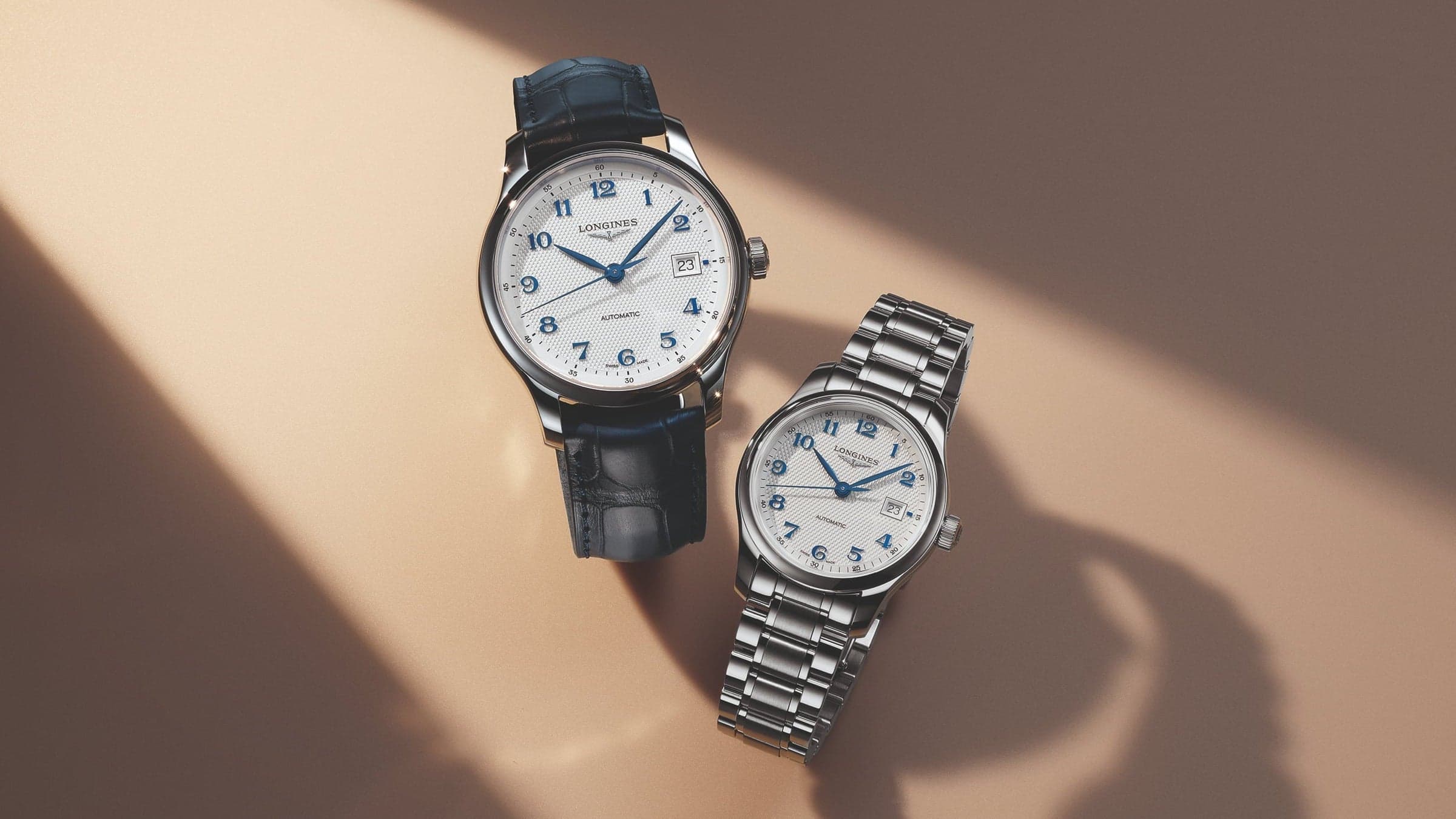
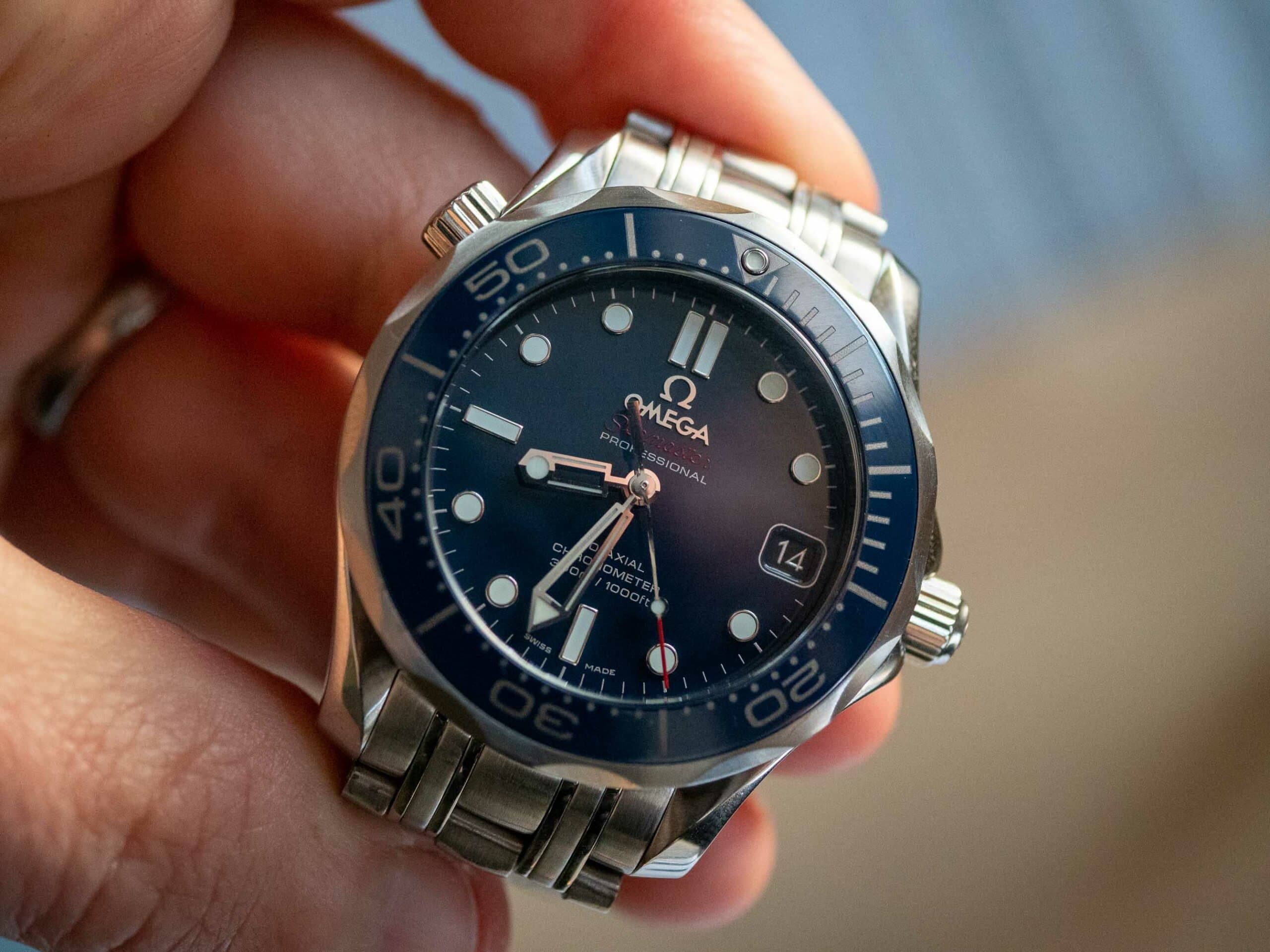
If we are to perform a true post-mortem on the Baselworld collapse, we must look back to July 2018. Nick Hayek, the outspoken CEO of the Swatch Group, dropped a bombshell that sent shockwaves through the industry: the group—including heavyweights like Omega, Longines, and Tissot—would no longer participate in Baselworld.
For decades, the Swatch Group occupied the most prestigious real estate in Hall 1.0. Their departure wasn't just a loss of revenue for the MCH Group (the organizers); it was a loss of gravity. Without the draw of a new Speedmaster or a refreshed Seamaster, the incentive for smaller retailers to make the expensive pilgrimage to Switzerland began to evaporate. Hayek’s reasoning was simple: in an era where a single Instagram post can reach millions, spending $50 million on a week-long trade show felt like an archaic use of resources. The traditional "fair" model, once the only way to see a new grail in the metal, was suddenly under fire.
High Costs and the "Desk Diver" Disconnect
The financial burden of Baselworld was never just about the booth space. For the visiting journalist and the humble collector hoping for a wristshot, the city of Basel became a predatory environment during fair week. Hotel prices tripled, and even a basic sausage at a local stand felt like it required a mortgage.
This disconnect between the luxury world and the reality of the market began to sour the experience. While the industry was busy debating the perfect shade of lume on a vintage-inspired reissue, the organizers seemed oblivious to the fact that the digital revolution was making their physical walls redundant. The Baselworld collapse was accelerated by this lack of empathy for the attendees. When you treat your most loyal supporters like a captive revenue stream, they will eventually find the exit.
A Case Study in Hype: The Last Great Baselworld Release
To understand what we are losing, we only need to look back at the fervor surrounding the 2019 show. Despite the looming shadows, the release of the Rolex GMT-Master II 126710BLNR (the "Batgirl") showed that Baselworld still had the power to stop the world. It was a moment where every enthusiast was glued to their screen, waiting for the first photos to emerge from the press scuttle.
Below are the technical specifications of that landmark release, perhaps one of the last true "icons" to be born on the Baselworld floor:
| Feature | Specification |
|---|---|
| Caliber | Rolex Manufacture 3285 (Automatic) |
| Case Material | Oystersteel (904L) |
| Dimensions | 40mm Diameter, 12.1mm Thickness |
| Water Resistance | 100 Meters (330 Feet) |
| Complications | GMT, Date, Instantaneous Jump Hour |
| Bracelet/Strap | Jubilee Bracelet with Oysterlock Safety Clasp |
| Power Reserve | Approximately 70 Hours |
This watch represents the peak of the "old way." It created a waiting list that stretches into the next decade, yet the irony is that many who covet it will never see it in a Baselworld display case again.
The Rise of Digital Sovereignty
As the Baselworld collapse intensified, brands began to realize they could control their own narratives. Breitling, under the leadership of Georges Kern, moved toward a "Summits" model—localized events held around the world throughout the year. This allowed the brand to stay in the news cycle for twelve months rather than being buried in a 48-hour blizzard of press releases in March.
Furthermore, the concept of the "luxury experience" has changed. The modern collector, whether they are looking for a rugged beater for weekend adventures or a high-complication piece to keep as a safe queen, wants engagement. They want to see how the patina will develop on a bronze case through high-resolution video, not through a smudge-covered glass partition in a crowded hall. The democratization of horological information via social media has made the gatekeeping of trade fairs feel obsolete.
The Rolex and Patek Philippe Question
As of today, February 1, 2020, the industry is holding its breath. Rolex, Patek Philippe, and Tudor remain the final pillars holding up the roof of the Messe Basel. However, rumors are swirling that even these giants are frustrated. The recent decision to move Baselworld’s dates to April—immediately following the SIHH (now rebranded as Watches & Wonders Geneva)—was intended to make travel easier for international guests. Yet, it feels like a band-aid on a bullet wound.
If Rolex decides that their marketing spend is better utilized elsewhere, the Baselworld collapse will be total. We are witnessing a shift where Geneva is becoming the new center of gravity, and the sprawling, multi-hall chaos of Basel is being replaced by the curated, invitation-only elegance of the Salon International de la Haute Horlogerie.
Conclusion
The story of the Baselworld collapse is not just about a trade show failing; it is about the evolution of how we value and consume luxury. For the enthusiast who spends their nights hunting for a desk diver with the perfect bezel alignment, the loss of Baselworld is bittersweet. We lose the centralized hub of excitement, but we gain a more direct connection to the brands we love.
The watch industry is notoriously slow to change—after all, we are obsessed with mechanical technology that was perfected in the 18th century. But even the most traditional maisons must eventually face the reality of the 21st century. As we look forward to the upcoming shows in April, one thing is certain: the era of Baselworld dominance is over. The king is dead; long live the craft.