TAG Heuer "Glassbox": The Best Design of the Decade
In the fast-paced world of luxury horology, where trends shift as quickly as a chronograph hand sweeps across a dial, few designs manage to capture both the nostalgia of the past and the precision of the future. Since its re-emergence in the modern catalog, the TAG Heuer Glassbox has done exactly that, establishing itself as a frontrunner for the title of the best design of the decade. By reimagining the iconic Carrera silhouette through the lens of modern material science, TAG Heuer has created a timepiece that resonates with seasoned collectors chasing their next grail and newcomers looking for their first serious mechanical watch.
The Architecture of Light: Defining the Glassbox
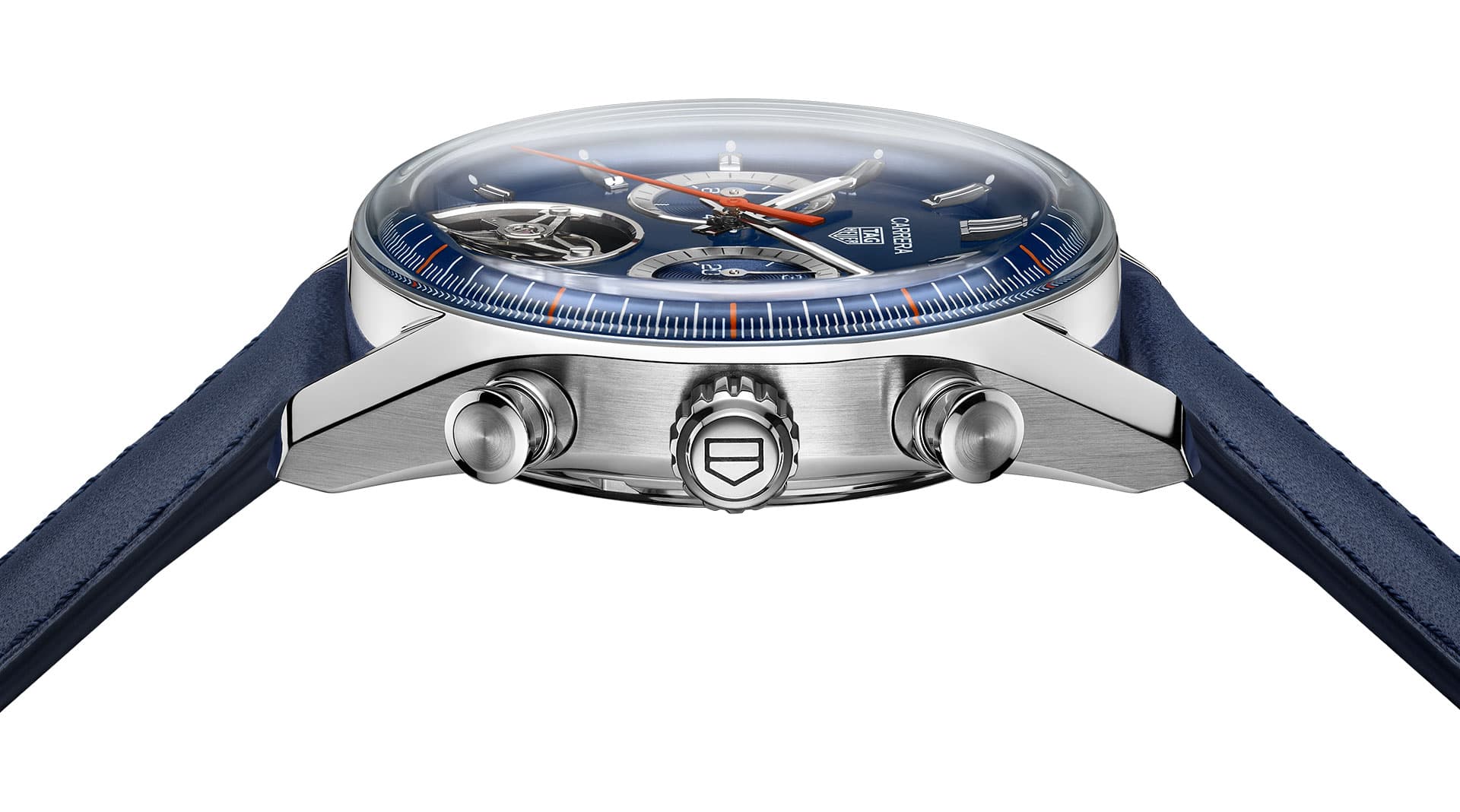
To understand why the TAG Heuer Glassbox is so revered, one must look at its profile. The term "Glassbox" refers to the highly domed sapphire crystal that sits atop the dial. In the mid-20th century, watches like the original 1963 Carrera used hesalite (acrylic) crystals. These were prone to scratches but offered a warm, distorted aesthetic that collectors now associate with vintage patina.
Modernizing this look required immense technical effort. Sapphire is notoriously difficult to shape into such a dramatic curve without creating unwanted reflections or structural weaknesses. However, the TAG Heuer Glassbox succeeds by using a double-domed sapphire crystal that mimics the vintage look while providing the scratch resistance and clarity expected of a modern luxury piece. The way light hits the curved edges of the crystal creates a halo effect on the tachymeter scale, making the watch appear both smaller on the wrist and more expansive in its legibility.
A Bridge Between Eras
The genius of the TAG Heuer Glassbox lies in its restraint. While many brands lean too heavily into "fauxtina" (artificial aged lume), TAG Heuer has utilized this design language to celebrate the purity of Jack Heuer’s original vision. Whether it is the 160th Anniversary Silver Edition or the stunning Montreal Limited Edition, these watches feel like they have been pulled directly from a 1960s pit lane, yet they possess a build quality that makes them a reliable beater for the modern enthusiast—if one is brave enough to daily-wear such a masterpiece.
For the enthusiast who spends their week as a desk diver—dreaming of the open road while navigating spreadsheets—the Glassbox offers a tactile connection to the golden age of motorsport. The lack of a traditional bezel allows the dial to breathe, emphasizing the clean lines and symmetrical sub-dial layouts that have made the Carrera a legend for sixty years.
Technical Specifications
Underneath the vintage-inspired exterior lies a powerhouse of modern engineering. Most iterations of the TAG Heuer Glassbox are powered by the in-house Calibre Heuer 02, a movement that has set new standards for the brand in terms of reliability and performance.
| Feature | Specification |
|---|---|
| Caliber | Heuer 02 Automatic |
| Power Reserve | 80 Hours |
| Case Material | Polished Stainless Steel |
| Dimensions | 39mm Diameter / ~14.5mm Thickness |
| Water Resistance | 100 Meters (10 bar) |
| Complications | Chronograph (12-hour, 30-minute), Small Seconds, Date (select models) |
| Bracelet/Strap | Perforated Racing Leather or Alligator Strap |
| Crystal | Double-Domed "Glassbox" Sapphire with AR Coating |
The Enthusiast’s Experience: On the Wrist
When you finally get a TAG Heuer Glassbox on your arm for that perfect wristshot, the first thing you notice is the proportion. At 39mm, it hits the "Goldilocks zone" for most collectors. It avoids the oversized bulk of many modern chronographs, allowing it to slip comfortably under a shirt cuff while still maintaining a commanding presence.
Focusing on the dial, the application of lume on the hands and markers is subtle yet effective, ensuring that the watch remains functional long after the sun sets. The tactile click of the column-wheel chronograph is a reminder that this isn't just a pretty face; it is a high-performance instrument. The 80-hour power reserve means you can set it down on a Friday evening and pick it up on Monday morning without missing a beat—though, with a design this captivating, you likely won't want to take it off for that long.
Why it Wins the Decade
The decade has seen many revivals, but the TAG Heuer Glassbox stands apart because it doesn't just copy the past; it elevates it. It solves the primary issue of vintage ownership—fragility—without sacrificing the soul of the design. It represents a brand that is confident in its heritage but not shackled by it.
In an era where many designs feel over-engineered or derivative, the Glassbox is a masterclass in transparency and form. It uses the crystal not just as a protective cover, but as a central design element that dictates the entire personality of the watch. It is a rare example of a watch that looks just as good under a macro lens as it does from across a room.
Conclusion
As we celebrate the 60th anniversary of the Carrera in 2023, the TAG Heuer Glassbox remains the definitive expression of what this collection can be. It bridges the gap between the analog charm of the 1960s and the crystalline precision of today. For any collector looking to add a piece of history to their box—one that carries the DNA of legends like Jo Siffert and Niki Lauda—the Glassbox is more than just a watch; it is a testament to the enduring power of great design. Whether you are hunting for your next grail or simply appreciate the interplay of light and steel, this is a timepiece that demands a place in the conversation of horological greats.