Stone Dial Democratization: Lapis & Malachite for All
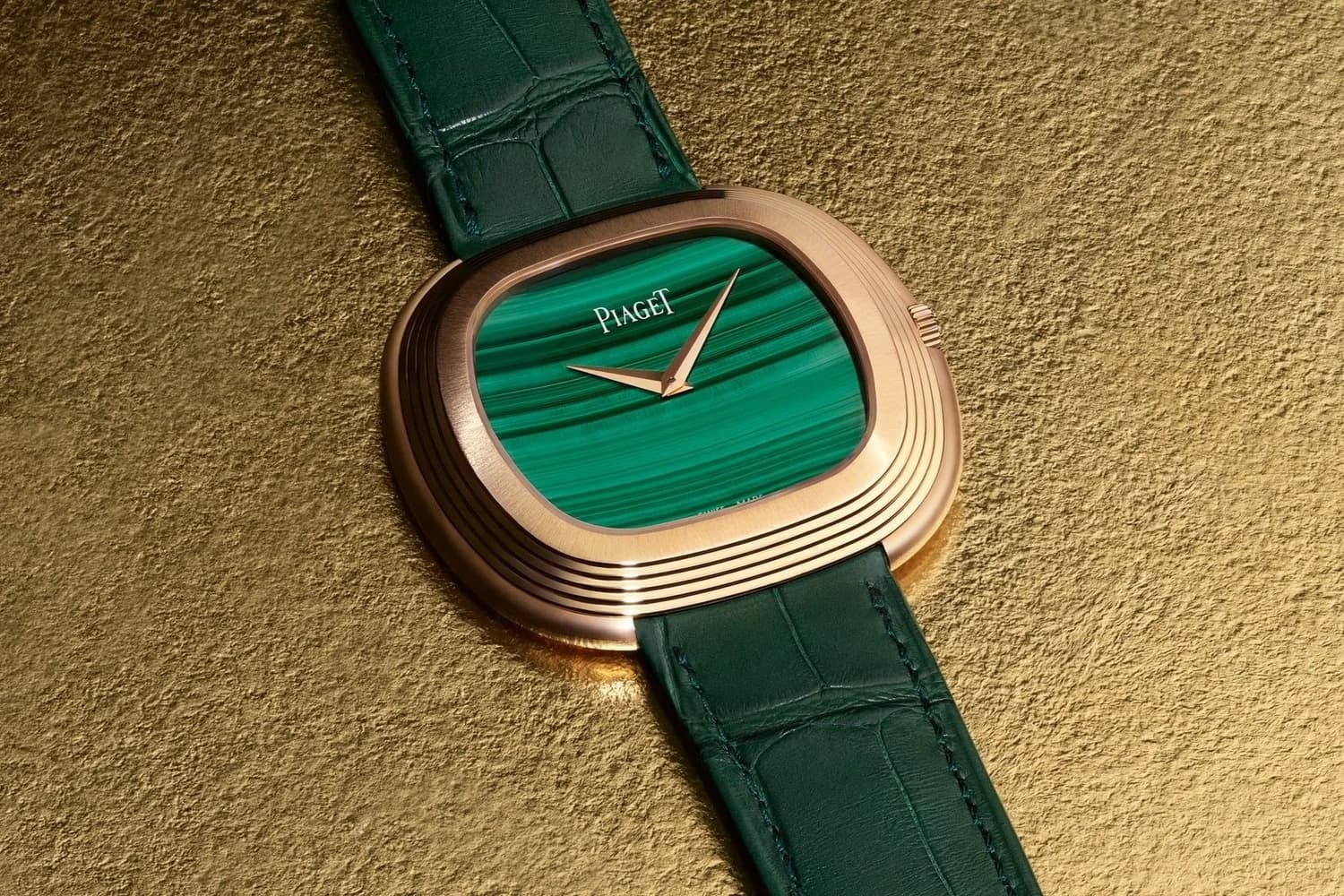
For the longest time, the mention of a semi-precious mineral dial conjured images of five-figure price tags and the smoky, velvet-draped lounges of 1970s high society. We thought of the Piaget Altiplano or the legendary 'Stella' and stone-dial Rolex Day-Dates—pieces that were, for most, the definition of a grail. However, as we move into the first quarter of the year, a seismic shift has occurred in the industry. The trend of stone dial watches 2025 is no longer about exclusivity; it is about democratization. From heritage Swiss giants to disruptive microbrands, the mesmerizing textures of Lapis Lazuli and Malachite are finally within reach of the everyday enthusiast.
The Allure of the Earth: Why Stone Dials are Dominating 2025
The watch community has always had a love affair with texture. After years of sunray finishes, 'fumé' gradients, and 'snowflake' frosting, collectors are craving something more organic. Stone dial watches 2025 satisfy this craving by offering something truly unique: no two dials are ever identical. When you look down at a Malachite dial, the specific banding and grain are yours alone. It provides a sense of bespoke luxury that even a high-end mass-produced movement cannot replicate.
In 2025, this trend has moved beyond the 'dress watch' category. We are seeing these minerals integrated into integrated-bracelet sports watches and even the occasional desk diver. The contrast between a rugged stainless steel case and the fragile, ethereal beauty of a stone slice creates a tension that is visually arresting on a wristshot.
From Piaget to the People: The Democratization Process
Historically, the barrier to entry for stone dials was not just the cost of the material, but the failure rate in production. Slicing Lapis Lazuli or Tiger’s Eye into a disc only 0.4mm thick—and then drilling holes for the pinion and indices—is a high-stakes game. One microscopic fissure and the dial shatters.
Advancements in CNC precision and stabilization resins have changed the math. Brands like Tissot and Seiko have optimized their supply chains to handle these materials at scale. We are now seeing the 'democratization' of these materials, where a collector can pick up an authentic stone dial watch 2025 for under $1,000 without sacrificing the 'prestige' feel of the material.
The Lapis Lazuli Renaissance
Lapis Lazuli, with its deep ultramarine hue and flecks of golden pyrite (fool's gold), remains the king of mineral dials. It evokes a starry night and pairs beautifully with both yellow gold and steel. In early 2025, the market has seen a surge in Lapis dials that eschew traditional hour markers, letting the stone’s natural 'galaxy' effect take center stage.
Malachite: The Green Giant
Malachite is perhaps the most recognizable stone in horology due to its vibrant green concentric circles. While it was once the signature of the Piaget Protocole, it has now found a home in more contemporary silhouettes. The rich green tones tap into the industry’s ongoing obsession with the color, providing a more sophisticated alternative to the standard 'British Racing Green' lacquered dials.
The Technical Challenges of the 'Thin Slice'
While the democratization of stone dial watches 2025 is exciting, enthusiasts should understand what goes into these pieces. A stone dial is essentially a sandwich. The mineral slice is typically bonded to a brass base plate for structural integrity.
One of the most discussed topics on watch forums this year is the lack of lume on stone dials. To preserve the purity of the stone, many brands opt for polished 'baton' hands without Super-LumiNova. While this might hurt the watch's utility as a beater, it elevates its status as a piece of jewelry. For the purists, the trade-off is well worth it—seeing the light play off the pyrite inclusions in Lapis is far more rewarding than a glow-in-the-dark dial in most social settings.
Collectibility and the 'Second-Hand' Market
As we look at the landscape of stone dial watches 2025, the question of longevity arises. Unlike metal dials, stone does not develop a patina in the traditional sense. It won't fade or oxidize. However, the rarity of certain stone grades means that early 'entry-level' stone dials from 2024 and 2025 are already holding their value remarkably well.
Microbrands like Baltic and Christopher Ward have also joined the fray, often releasing limited 'drops' of stone-dialed versions of their popular models. These pieces often sell out instantly, proving that the hunger for 'natural' materials is at an all-time high. Whether it's a Tiger's Eye dial for a warm, autumnal look or an Onyx dial for the ultimate 'tuxedo' watch, the variety available today is staggering.
How to Style Your Stone Dial
Because stone dials are visually 'busy,' the rest of your kit should be understated. A Lapis dial PRX looks phenomenal under a navy blazer, while a Malachite dial on a brown suede strap can bridge the gap between casual and formal.
For those worried about the fragility of a stone dial in a daily wearer, modern shock protection in movements like the Powermatic 80 or the Seiko 6R series ensures that the 'heart' of the watch is protected, even if the dial requires a bit more care than a standard stamped brass plate. Just maybe avoid wearing your Malachite beauty while doing heavy construction work—save that for your G-Shock.
Conclusion: A New Era of Texture
The stone dial watches 2025 trend represents a maturing market where collectors value individuality over mere brand recognition. The democratization of Lapis Lazuli, Malachite, and Onyx has stripped away the pretension of the past, allowing enthusiasts to enjoy the raw beauty of the earth on their wrists. Whether you are looking for a sophisticated dress piece or a vibrant daily wearer, there has never been a better time to add some 'stone' to your collection. The era of the flat, painted dial isn't over, but it certainly has some stiff, mineral competition. Explore these releases, find the grain that speaks to you, and enjoy a piece of horological history that is truly one-of-a-kind.