Small Watch Movement: Why 36mm is the New 40mm
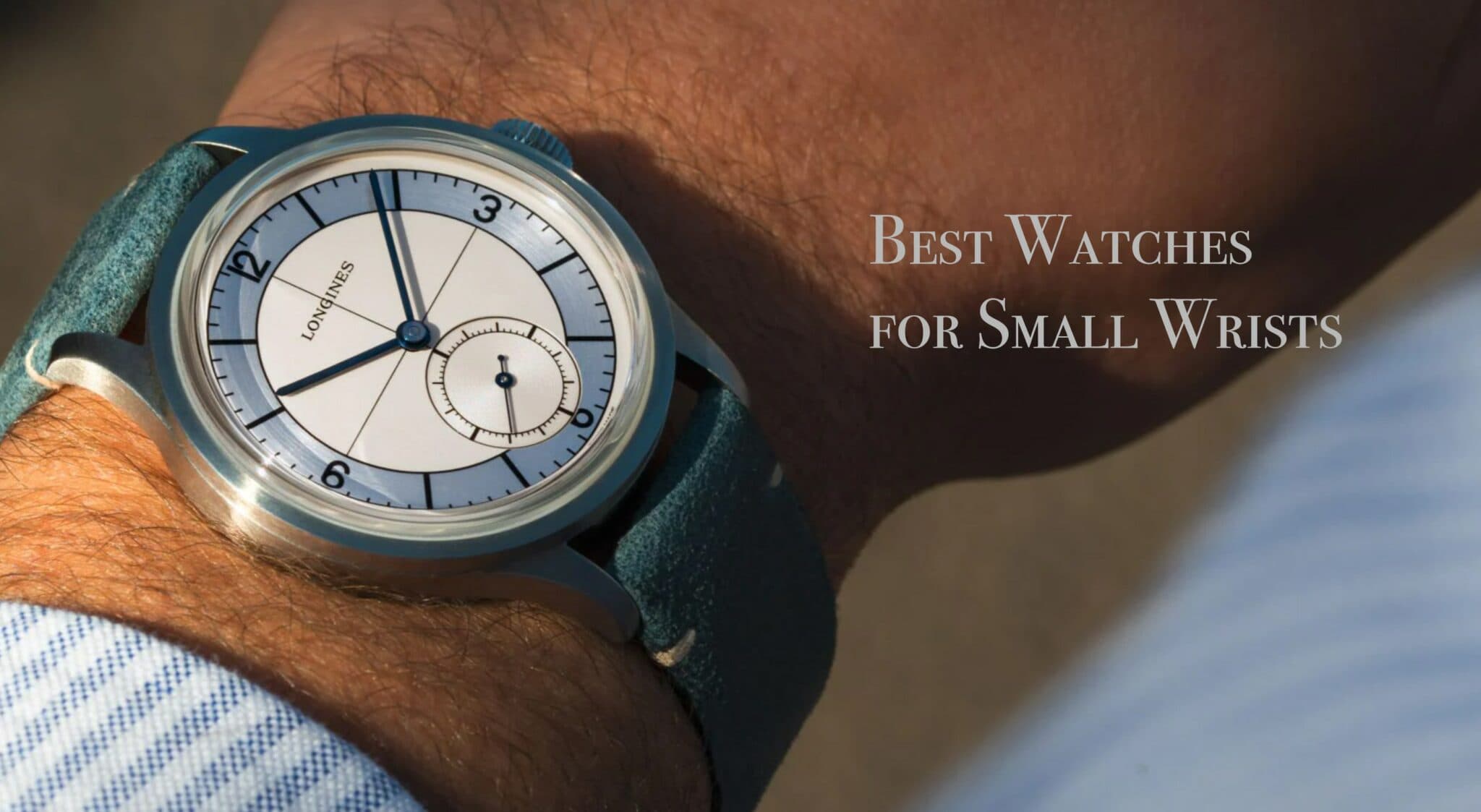
For the better part of two decades, the horological landscape was dominated by a 'bigger is better' philosophy. We watched as case diameters crept from 38mm to 42mm, then ballooned into the 44mm and 46mm territory, often leaving enthusiasts with smaller wrists—or a penchant for classic proportions—feeling overlooked. However, as we move into early 2023, the pendulum has swung back with remarkable force. The industry is currently witnessing a 'Small Watch Movement' where men's 36mm watches are no longer considered 'mid-size' or 'unisex' relics, but the gold standard for the modern gentleman.
This shift isn't just a fleeting trend; it’s a return to the roots of watchmaking. For most of the 20th century, 34mm to 36mm was the standard for a masculine timepiece. From the trenches of WWI to the boardrooms of the 1960s, these dimensions offered a balance of elegance and utility that maximized comfort without sacrificing legibility. Today, collectors are rediscovering that a well-proportioned 36mm case offers a level of sophistication that a bulky 'desk diver' simply cannot match.
The Catalyst: Rolex and the Return of the 124270
If there is one moment that solidified the resurgence of men's 36mm watches, it was the 2021 release of the Rolex Explorer Ref. 124270. After years of the Explorer existing in a 39mm format (the Ref. 214270), Rolex made the bold move to return their quintessential tool watch to its original 36mm proportions.
To many, this was the ultimate 'grail' update. The 124270 isn't just a vintage throwback; it’s a modern masterpiece that wears beautifully on almost any wrist. The taper on the Oyster bracelet and the deep black lacquer dial create a visual profile that is both rugged and refined. When you strap it on for a wristshot, the proportions feel immediately 'correct'—the lugs don't overhang, and the watch sits flush against the skin, making it an ideal daily 'beater' that can easily transition to formal wear.
Technical Specifications: Rolex Explorer 124270
| Feature | Specification |
|---|---|
| Caliber | Rolex Manufacture 3230 (Automatic) |
| Case Material | Oystersteel (904L) |
| Dimensions | 36mm Diameter, 43mm Lug-to-Lug |
| Water Resistance | 100 Meters (330 Feet) |
| Complications | Center hours, minutes, and seconds (Stop-seconds) |
| Bracelet/Strap | Oyster bracelet with Oysterlock safety clasp and Easylink extension |
Why the 36mm Silhouette is Winning in 2023
The appeal of men's 36mm watches in today's market boils down to three key factors: ergonomics, vintage aesthetics, and the 'Quiet Luxury' movement.
1. Ergonomics and 'The Taper'
One of the most significant advantages of a smaller case is the weight distribution. A 44mm watch often feels top-heavy, leading to the dreaded 'watch flop' unless the strap is uncomfortably tight. In contrast, a 36mm watch centers itself perfectly. Brands like Tudor have mastered this with the Black Bay 36. By utilizing a thinner case and a dramatic bracelet taper, the watch disappears on the wrist until you need to check the time. For the modern enthusiast, comfort is the new complication.
2. The Vintage Allure and Patina
Vintage collecting has never been hotter. As enthusiasts hunt for neo-vintage pieces from the 80s and 90s, they are becoming accustomed to the smaller diameters of that era. This has trickled down into new releases. Many collectors are looking for that 'faux-tina' or warm patina glow on the lume plots, and these design cues simply look more authentic on a 36mm canvas. It evokes a sense of history that a massive, modern ceramic watch often lacks.
3. Versatility: From Suit to Sweatpants
In a post-pandemic world, our wardrobes have become more fluid. The 'desk diver'—a chunky dive watch worn exclusively in an office setting—is being replaced by more versatile GADA (Go Anywhere, Do Anything) watches. A 36mm watch fits under a shirt cuff just as easily as it pairs with a hoodie. It doesn't scream for attention; it whispers quality.
Notable Contenders in the 36mm Category
While Rolex may have led the charge, other brands are offering incredible value in the men's 36mm watches segment.
- Tudor Black Bay 36: Often called the 'baby Explorer,' this watch offers a clean, symmetrical dial without a date window and a rock-solid build. It’s the perfect entry point for someone looking for a robust daily wearer with a heritage feel.
- IWC Pilot’s Watch 36: For those who prefer a military aesthetic, IWC’s 36mm pilot offers incredible legibility. It proves that a 'tool watch' doesn't need to be dinner-plate sized to be functional.
- Cartier Santos (Medium Model): While technically a square watch, the Medium Santos wears very similarly to a 36mm round watch. It is perhaps the peak of 'integrated bracelet' design, offering a mix of brushed and polished surfaces that catch the light beautifully.
The Myth of the 'Small Wrist'
There is a common misconception that men's 36mm watches are only for those with slender wrists. This couldn't be further from the truth. If you look at historical photos of icons like Tony Soprano (who wore a 36mm Day-Date) or Muhammad Ali (who wore a diminutive Cartier Tank), you see that a smaller watch actually emphasizes the size of the wearer's wrist, making it look more masculine, not less. A watch that is too large for the wrist looks like a shackle; a watch that is perfectly sized looks like a choice.
Furthermore, the 'lug-to-lug' measurement is often more important than the diameter. Many 36mm watches have long, curving lugs that give them a 'wrist presence' closer to a 38mm watch. This allows them to occupy the right amount of real estate without feeling cumbersome.
Final Thoughts on the Downsizing Trend
As we look at the releases slated for the rest of 2023, it is clear that the industry has embraced the 36mm revolution. The move toward smaller diameters represents a maturing market—one that values movement technology, dial finishing, and wearability over sheer physical bulk. Whether you are looking for your first luxury 'grail' or adding a dependable 'beater' to your collection, the world of men's 36mm watches offers a diversity of choice we haven't seen in decades.
The 40mm standard isn't dead, but it certainly has competition. By choosing a 36mm timepiece, you aren't just following a trend; you are opting for a classic silhouette that has remained stylish for over a century. It is a testament to the idea that true style doesn't need to shout to be heard. As the saying goes in the enthusiast community: 'The smaller the watch, the bigger the flex.'