Patek Cubitus: The First New Collection in 25 Years
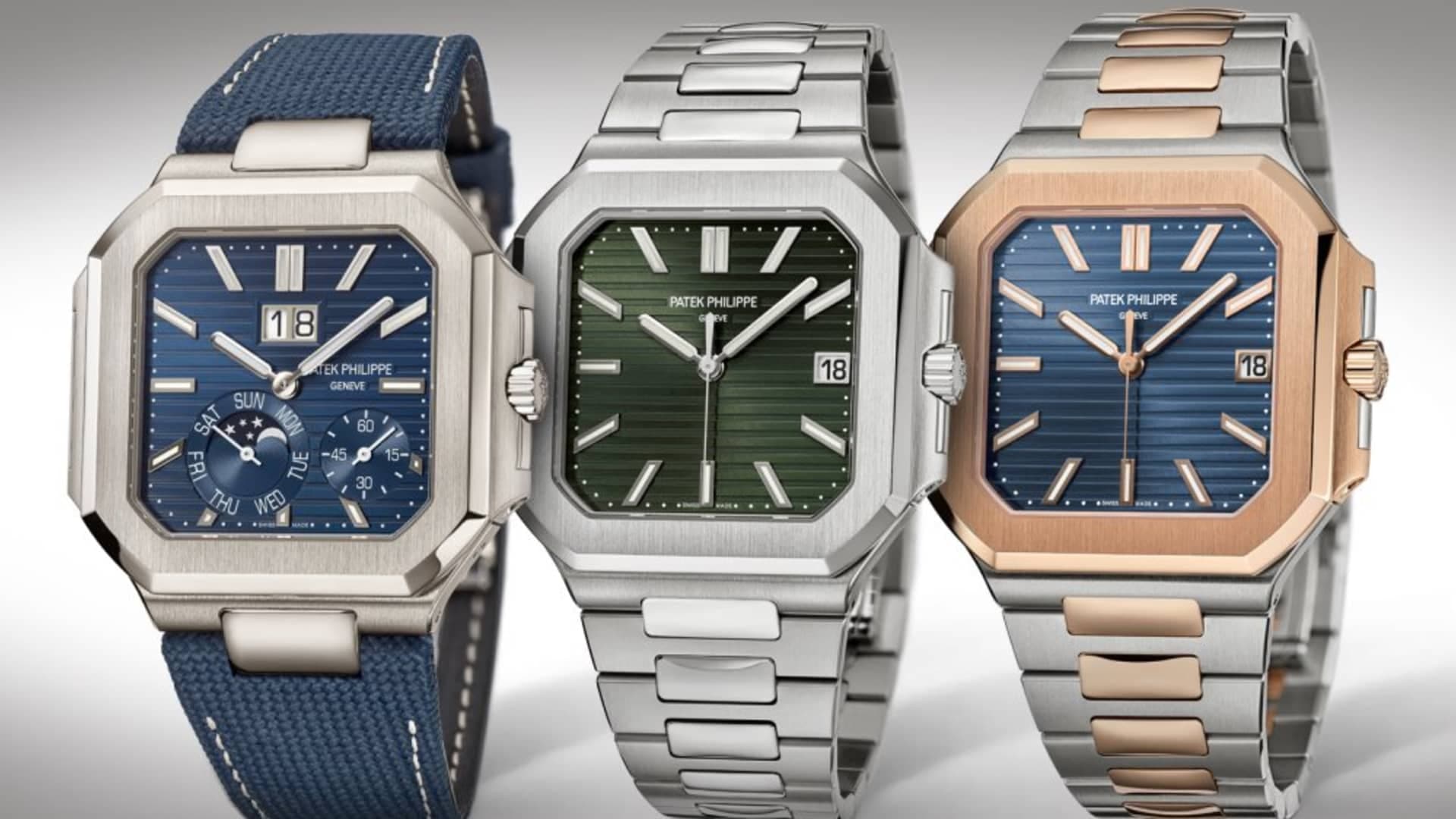
The horological world has been holding its breath for over two decades, waiting for the masters in Geneva to unveil a new pillar to stand alongside the legends of the Nautilus, Aquanaut, and Calatrava. Today, the wait ends. In an industry often defined by incremental updates and heritage reissues, the launch of an entirely new family is a seismic event. In this comprehensive Patek Cubitus review, we take an in-depth look at the first new collection from the manufacture in 25 years—a release that is already polarizing purists and exciting a new generation of collectors alike.
A Quarter Century in the Making
Since the launch of the Twenty~4 in 1999, Patek Philippe has focused on refining its existing icons. While the Nautilus became the ultimate grail for many and the Aquanaut transitioned from a "starter" Patek to a powerhouse in its own right, the brand lacked a contemporary shape that challenged the status quo. The Cubitus arrives not as a replacement, but as a bold sibling. It takes the DNA of the luxury sports watch and literally squares it away.
Early rumors of a square-cased Patek Philippe sent the forums into a frenzy. Now that we have the piece in hand, it is clear that Thierry Stern and his team were aiming for something that feels both familiar and disruptively new. The Cubitus is an exercise in geometric harmony, blending the soft-cornered octagonal bezel we know from the Nautilus with a more assertive, square silhouette.
The Aesthetics: Beyond the Porthole
When you first see the Cubitus, the immediate comparison is to its Genta-designed predecessor. However, this Patek Cubitus review finds that the watch carves out its own identity upon closer inspection. The case construction is a marvel of finishing. The alternating satin-brushed and polished surfaces create a play of light that is quintessentially Patek.
One of the most discussed elements is the "ears" on the case, a direct nod to the Nautilus 5711, which provide structural balance to the square frame. The dial features the horizontal embossing we’ve come to love, but it feels more expansive here. For those worried about legibility, the lume application on the baton-style indices and hands is generous, ensuring that this piece remains functional long after the sun sets on the cocktail lounge.
Technical Prowess: The Heart of the Cubitus
Under the hood, Patek Philippe hasn't reinvented the wheel, but they have optimized it. The launch models are powered by the tried-and-true Caliber 26-330 S C. This is an evolution of the 324, featuring a hacking seconds mechanism and a more efficient winding system. Through the sapphire crystal caseback, the finishing is, as expected, superlative. The 21k gold central rotor is adorned with the Calatrava cross, and every bridge features immaculate Côtes de Genève.
Detailed Specifications
| Feature | Specification |
|---|---|
| Caliber | Self-winding 26-330 S C |
| Case Material | Stainless Steel / Rose Gold / Platinum options |
| Dimensions | 41.5 mm (Diameter), 8.3 mm (Thickness) |
| Water Resistance | 120 Meters (12 ATM) |
| Complications | Central Seconds, Date at 3 o'clock |
| Bracelet/Strap | Integrated bracelet with fold-over clasp |
| Power Reserve | Min. 35 hours - Max. 45 hours |
On the Wrist: More Than Just a Square Nautilus?
Setting the watch on the wrist for a wristshot, the first thing you notice is the thinness. At roughly 8.3mm thick, it slides under a bespoke shirt cuff with ease, yet it possesses enough wrist presence to hold its own in a casual setting. This isn't a chunky "beater" meant for extreme sports; it’s a refined instrument that bridges the gap between a dress watch and a high-end sports piece.
While some might call it a "desk diver" due to its 120-meter water resistance and luxury pedigree, the Cubitus feels surprisingly robust. The integrated bracelet is a masterpiece of ergonomics, tapering perfectly to the clasp. The way the light catches the chamfered edges of the links reminds you why Patek remains at the top of the "Holy Trinity."
Challenging the Status Quo
No Patek Cubitus review would be complete without addressing the elephant in the room: the design's reception. In the watch world, anything new is often met with skepticism. We saw it with the Code 11.59 from Audemars Piguet, and we see it here. However, Patek Philippe has a history of playing the long game. What feels jarring today often becomes the sought-after patina-covered classic of tomorrow.
This collection targets a demographic that finds the Nautilus perhaps too ubiquitous (if such a thing is possible for a six-figure watch) and the Aquanaut too casual. The Cubitus sits in a sweet spot of architectural modernism. It is a watch that demands a second look, rewarding the observer with details like the subtle sunburst finish on the dial and the precise alignment of the date window.
The Verdict: A New Chapter
The Cubitus is a statement of confidence. By launching a square-cased sports watch, Patek Philippe is leaning into its ability to set trends rather than follow them. In our Patek Cubitus review, we’ve found that while the design is a departure, the soul of the watch is pure Geneva. It offers the mechanical reliability and finishing that collectors demand, packaged in a silhouette that will define the next decade for the brand.
Whether you are a seasoned collector looking for your next grail or a newcomer to the brand, the Cubitus represents an exciting entry point into a new era of horology. It is rare to witness the birth of a legend, and while only time will tell if the Cubitus reaches the heights of the 5711, it has all the ingredients of a future icon. The craftsmanship is undeniable, the movement is a workhorse of elegance, and the design—once you see it in the metal—is undeniably Patek Philippe.