Kurono Tokyo: How Hajime Asaoka Won the Internet
In the fast-paced world of horology, few stories are as compelling as the meteoric rise of Kurono Tokyo watches. In just a few short years, this brand has transitioned from a niche project by a legendary independent watchmaker to a global phenomenon that leaves collectors frantically refreshing their browsers at 3:00 AM. As of today, June 15, 2020, the brand has solidified its status as the darling of the enthusiast community. But how did Hajime Asaoka, a man known for bespoke pieces costing as much as a luxury sedan, manage to 'win the internet' with a more accessible line of timepieces?
The Genesis: Hajime Asaoka’s Vision for Kurono Tokyo Watches
To understand the appeal of Kurono Tokyo, one must first understand the man behind the curtain. Hajime Asaoka is a self-taught master watchmaker based in Tokyo, a member of the prestigious AHCI (Académie Horlogère des Créateurs Indépendants). His bespoke creations, such as the Tsunami or the Project T Tourbillon, are considered grail watches in the truest sense—virtually unobtainable and priced for the elite.
Asaoka-san realized that a significant portion of the community admired his design language but could never hope to own a piece of his hand-made work. Thus, Kurono Tokyo watches were born. The goal was simple yet ambitious: to offer the same aesthetic DNA and exacting design standards found in his haute horlogerie pieces, but at a price point that a dedicated enthusiast could actually afford. By leveraging high-quality industrial manufacturing and reliable Japanese movements, Asaoka opened the doors to his world of Art Deco-inspired elegance.
The Art of the Dial: A New Standard for Accessibility
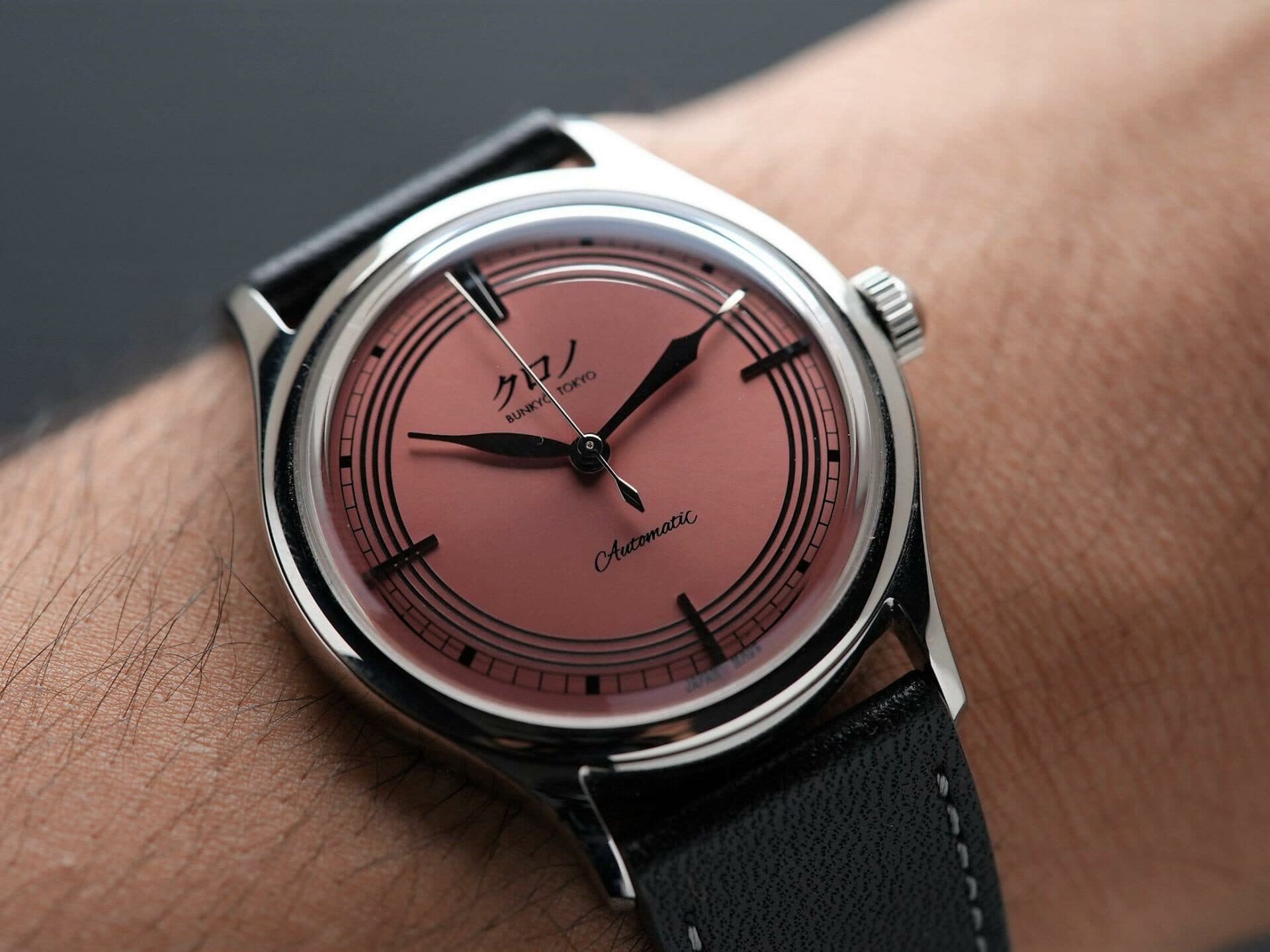
One look at a Kurono Tokyo dial and it becomes clear why these pieces are so coveted. Whether it is the classic 'Bunkyō' or the recently celebrated 'Reiwa' anniversary model, the attention to detail is staggering. Asaoka-san doesn't just design the watch; he obsesses over the curvature of the hands and the exact hue of the lacquer.
Take, for instance, the recently debuted 'Mori' (Forest) Green dial. The depth of the color and the way it catches the light in a wristshot is something typically reserved for brands like Grand Seiko or Moser. For many collectors, these watches represent a 'daily wearer' that doesn't feel like a compromise. The dials feature a sense of balance and symmetry that is rare in the sub-$3,000 category, often utilizing multi-layered finishes that provide a sense of luxury that belies their retail price.
The Chronograph 1: A Case Study in Internet Viral Success
If the three-hand models established the brand, it was the Chronograph 1 that truly broke the internet earlier this year. When the pre-orders opened, the global demand was so high that the website struggled to keep up. This wasn't just another limited edition; it was a statement piece.
Featuring a distinctively vintage aesthetic with a tachymeter scale and a balance of sub-dials that feels plucked from the 1940s, the Chronograph 1 became an instant icon. Collectors who missed out are already scouring the secondary market, though the 'flipping' of these pieces has sparked heated debates in watch forums. For those lucky enough to secure one, it has become a centerpiece of their collection, often outshining watches twice its price.
Technical Specifications: Kurono Tokyo Chronograph 1
| Feature | Specification |
|---|---|
| Caliber | Seiko NE86A (Automatic, Column Wheel, Vertical Clutch) |
| Case Material | 316L Stainless Steel |
| Dimensions | 38mm Diameter, 13.9mm Thickness, 46.7mm Lug-to-Lug |
| Water Resistance | 3 ATM (30 Meters) |
| Complications | Chronograph, Date, Tachymeter |
| Bracelet/Strap | Black Calf Leather |
| Crystal | Box-shaped Sapphire |
The Mechanical Heart: Why Miyota and Seiko Make Sense
One of the most frequent points of discussion regarding Kurono Tokyo watches is the choice of movement. Instead of the hand-finished, bespoke movements found in Asaoka's 'Tsunami', Kurono utilizes high-grade Miyota 9-series or Seiko NE86 movements. To some purists, this was a point of contention. However, for the vast majority of the community, it was a stroke of genius.
By using reliable, mass-produced Japanese movements, Asaoka ensures that his watches are not only affordable but also serviceable. This isn't a 'safe queen' that you fear taking to a local watchmaker; it’s a robust piece of engineering. While you won't find hand-beveled bridges here, the reliability of the Miyota 90S5 means these watches can be a reliable beater (though a very fancy one) or a sophisticated choice for the office. For the desk diver who wants style without the five-figure price tag, it’s a perfect match.
The Power of Scarcity and Storytelling
Kurono Tokyo has mastered the art of the 'drop.' By keeping production numbers low and strictly controlling the distribution, they have created a sense of urgency that is rarely seen outside of brands like Rolex or Patek Philippe. Each release feels like an event.
But it isn't just about artificial scarcity; it’s about the story. When you buy a Kurono Tokyo watch, you are buying into the vision of one of Japan’s greatest living watchmakers. There is a sense of cultural pride baked into every piece, from the 'Tokyo' branding to the subtle nods to Japanese history, such as the Reiwa era celebration. The brand doesn't spend millions on traditional advertising; they let the product and the community do the talking on Instagram and watch blogs. This grassroots, digital-first approach is exactly how they won the internet.
Future Classics: The Path Forward
As we look at the landscape of horology in mid-2020, it is clear that the 'microbrand' label no longer fits Kurono Tokyo. They have transcended that category to become a legitimate force in the industry. The design language is consistent, the quality control is rigorous, and the demand shows no signs of slowing down.
Whether it's the lack of lume on their dressier models (emphasizing pure design over utility) or the perfectly polished cases that will one day show a beautiful patina of honest wear, these watches are designed for people who love the nuance of watchmaking.
Conclusion
Hajime Asaoka has achieved something truly remarkable with Kurono Tokyo watches. He has managed to bridge the gap between the unattainable world of independent haute horlogerie and the passionate community of everyday collectors. By focusing on design, transparency, and a deep respect for his audience, he hasn't just sold watches; he has built a legacy.
As the 'Mori' begins to arrive on the wrists of collectors this month, the hype cycle is likely to begin all over again. For those still searching for their first Kurono, the advice remains the same: stay vigilant, stay informed, and keep those browser tabs open. The internet belongs to Kurono Tokyo, and we are all just living in Hajime Asaoka’s world.