Integrated Bracelet Fatigue: Assessing the Look
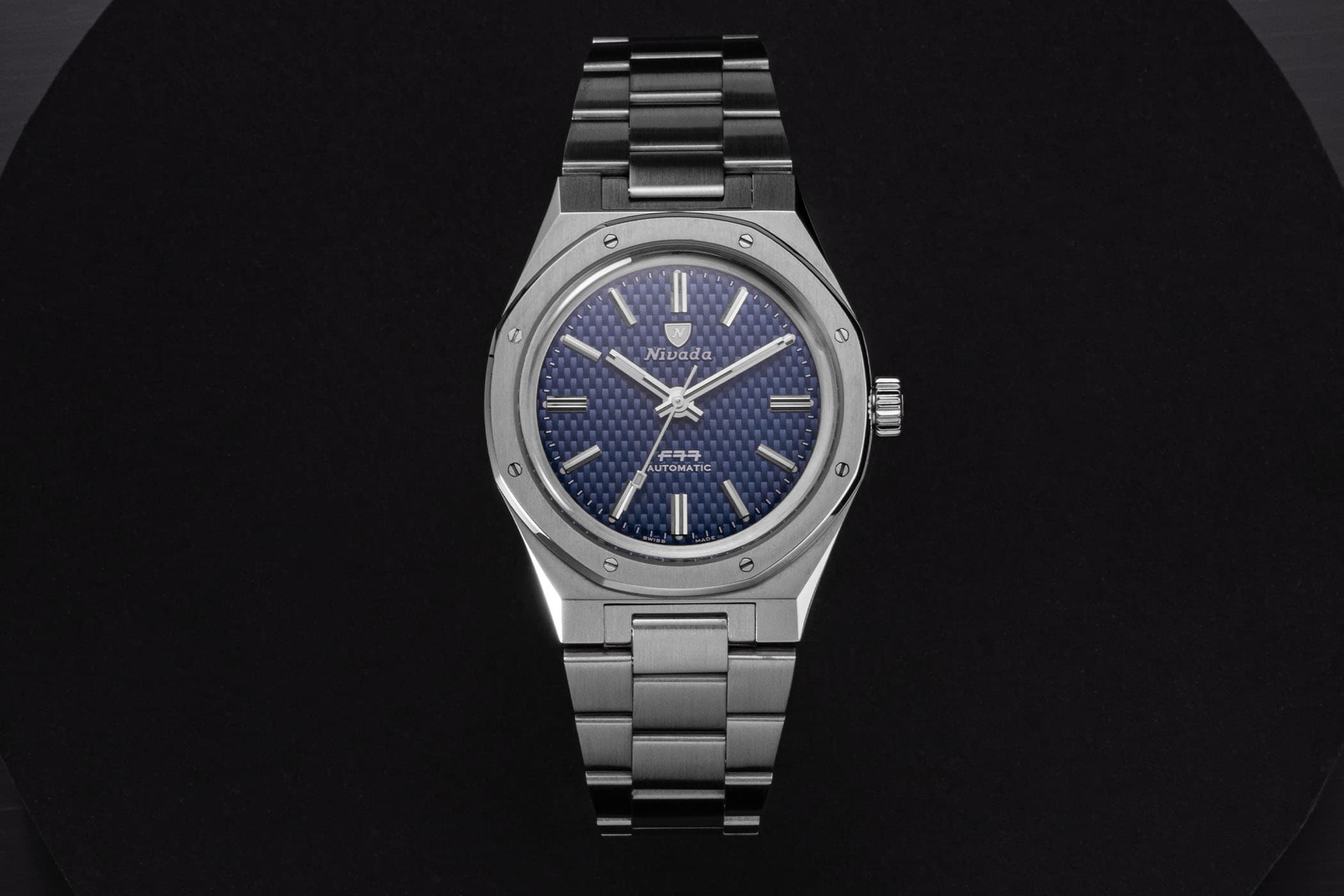
As we approach the end of 2021, one cannot glance at a social media feed or walk through a boutique without being confronted by the sheer dominance of the integrated watch trend. What began decades ago as a radical departure from traditional horology has transformed into the industry's primary obsession. From the high-flying auction rooms where Patek Philippe Ref. 5711s command eye-watering premiums to the accessible appeal of the Tissot PRX, the silhouette of a seamless case-to-bracelet transition is everywhere. But as the market becomes flooded with these angular, steel-clad designs, a question begins to surface among the enthusiast community: Are we reaching a state of integrated bracelet fatigue?
The Genesis of the Integrated Watch Trend
To understand why we are seeing so many integrated designs today, we must look back to the early 1970s. The industry was in the throes of the Quartz Crisis, and mechanical watchmakers needed a bold new identity to survive. Enter Gérald Genta. His work on the Audemars Piguet Royal Oak (1972) and later the Patek Philippe Nautilus (1976) defined a new category: the luxury stainless steel sports watch.
These pieces were revolutionary because the bracelet was not an afterthought; it was an extension of the case itself. The design language favored sharp chamfers, brushed surfaces, and a level of finishing previously reserved for precious metals. For decades, these were the ultimate grails—exclusive, difficult to obtain, and instantly recognizable. However, in the last three years, what was once a niche luxury has become the blueprint for almost every brand’s recovery strategy.
The Modern Explosion: From Grails to Daily Wear
The current integrated watch trend reached a fever pitch in 2021. While the Vacheron Constantin Overseas and Girard-Perregaux Laureato have long held their ground in the high-end sector, the middle and entry-level markets have recently exploded. Brands like Maurice Lacroix with the Aikon and Tissot with the PRX have successfully democratized the look, offering enthusiasts a taste of that 1970s "jet-set" aesthetic without the five-figure price tag.
For many, these watches represent the perfect beater or everyday companion. They offer a sense of structural integrity that a standard lug-and-strap configuration sometimes lacks. On the wrist, the way the light plays across a well-executed integrated bracelet—transitioning from the brushed links to the polished edges—is undeniable. It makes for the perfect wristshot, which in our digital age, is a significant driver of sales.
Assessing the Fatigue: When Does Variety Vanish?
Fatigue sets in when the market moves from inspiration to imitation. As we survey the landscape in late 2021, there is a growing sentiment that many new releases are starting to look remarkably similar. We see the same hexagonal screws, the same "Tapisserie" or waffle-pattern dials, and the same tapered H-link bracelets.
When every brand feels the need to have an integrated sports watch in their catalog to stay relevant, the soul of the design can get lost. The charm of the integrated look is its architectural cohesion, but when that architecture is repeated ad nauseam, the "wow factor" diminishes. We are seeing a homogenization of the "desk diver" aesthetic, where the lines between a high-end luxury piece and a microbrand homage are becoming increasingly blurred.
Furthermore, the integrated design brings a practical limitation: the lack of versatility. One of the joys of watch collecting is the ability to swap a bracelet for a leather strap or a NATO to change the watch's personality. With the integrated watch trend, you are often locked into the manufacturer's ecosystem. While some brands are introducing quick-release systems, you are still limited to proprietary options, which can be frustrating for those who love to customize their pieces.
Spotlight: The Tissot PRX Powermatic 80
Perhaps no watch better encapsulates the peak of this trend in 2021 than the Tissot PRX Powermatic 80. It has become the poster child for accessible integrated design, offering incredible value and a legitimate historical lineage.
| Feature | Specification |
|---|---|
| Caliber | Powermatic 80 (ETA C07.111) with Nivachron hairspring |
| Case Material | 316L Stainless Steel |
| Dimensions | 40mm Diameter, 10.9mm Thickness |
| Water Resistance | 100 Meters (10 bar) |
| Complications | Date display at 3 o'clock |
| Bracelet/Strap | Integrated steel bracelet with butterfly clasp and quick-release |
| Dial | Waffle-textured (Clous de Paris) in Blue, Black, or Silver |
The PRX proves that the integrated watch trend isn't just about hype; it's about providing a high-quality tactile experience. The way the bracelet drapes over the wrist and the subtle lume application on the indices make it a compelling package. However, its massive success also contributes to the sense of ubiquity that leads to fatigue.
The Longevity of the Look
Is this a bubble that is about to burst, or is the integrated bracelet simply the new standard for the modern sports watch? History suggests that horological tastes move in cycles. Just as the oversized "dinner plate" watches of the 2000s eventually gave way to the vintage-inspired 38mm revival, the sharp angles of the 70s may eventually feel dated once again.
However, we aren't there yet. The demand for these watches—especially those with a bit of patina or a historical story to tell—remains at an all-time high. The integrated watch trend has succeeded because it bridges the gap between jewelry and tool. It feels more substantial on the wrist than a dress watch but more refined than a standard diver.
To combat fatigue, brands will need to innovate beyond the Genta-clone silhouette. We are starting to see this with the use of new materials like titanium and ceramic, or the integration of more complex complications into these sporty cases. The challenge for the next few years will be for designers to maintain the integrated aesthetic while injecting fresh DNA into their collections.
Conclusion
The integrated watch trend has undoubtedly defined this era of horology. While the sheer volume of releases in 2021 has led to a certain level of aesthetic exhaustion, the fundamental appeal of the luxury sports watch remains strong. Whether you are chasing a six-figure grail or enjoying the precision of a modern beater, the integrated look offers a unique blend of style and structural harmony that few other designs can match.
As we look forward to 2022, it will be interesting to see which brands pivot toward new shapes and which will continue to refine the integrated formula. One thing is certain: the steel sports watch with an integrated soul isn't going anywhere just yet—it's simply evolving. The question for collectors is no longer whether they should own one, but rather which one truly stands out in a crowded sea of stainless steel.