The German School of Watchmaking: Glashütte Resilience and Black Forest Utility
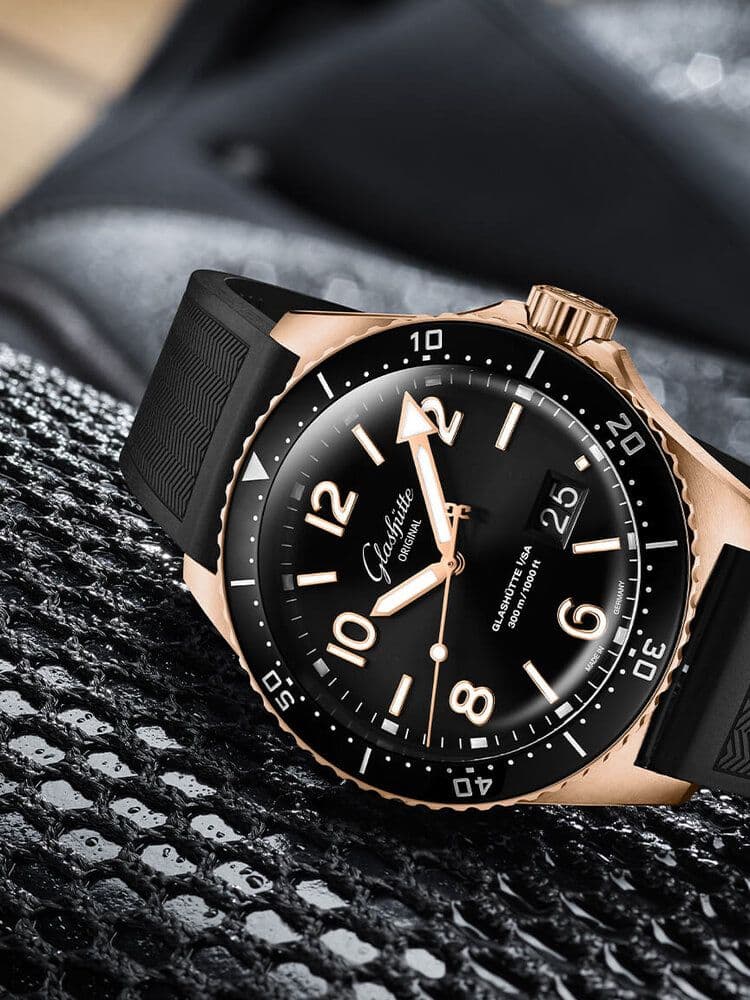
Image: Uploaded Content
German horology presents a distinct aesthetic and architectural philosophy that differs sharply from the romanticized Swiss approach. Characterized by strict Bauhaus-inspired functionalism, highly legible dials, and robust movement architecture—such as the utilization of the traditional three-quarter plate, hand-engraved balance cocks, and gold chatons—German watchmaking centers primarily in two distinct regions: the Black Forest and the small Saxon town of Glashütte.
The industry in Glashütte represents a miraculous historical tale of destruction, survival, and ultimate resilience. Following the division of Germany post-World War II, many historic watchmakers in East Germany were expropriated by the state and forcibly consolidated into a single state-owned enterprise known as the Glashütter Uhrenbetriebe (GUB). For decades, the region produced functional, mass-market timepieces behind the Iron Curtain, effectively cutting off Glashütte from the rapid technological and luxury advancements occurring in the West. However, following the fall of the Berlin Wall and the reunification of Germany in 1990, the town experienced an immediate, profound horological renaissance.
Leading this triumphant revival was A. Lange & Söhne. Originally founded in 1845 by Ferdinand Adolph Lange, the brand's facilities were destroyed on the final day of WWII, and the brand name vanished during the Soviet occupation. The company was painstakingly resurrected in 1990 by Ferdinand's great-grandson, Walter Lange, with strategic support from industry executives. Today, A. Lange & Söhne is universally recognized as producing movements with finishing standards that rival, and often surpass, the finest Swiss houses, making it a legitimate peer to the Holy Trinity. Other prominent brands from the region include Glashütte Original, which carries on the direct mechanical lineage and manufacturing capabilities of the GUB state enterprise, and NOMOS Glashütte, a brand celebrated globally for its strict adherence to minimalist Bauhaus design principles and highly decorated, accessible in-house mechanical calibers.
In other regions of Germany, watchmakers focus heavily on extreme metallurgy, tactical utility, and aviation. Brands like Sinn (founded in 1961 by Helmut Sinn in Frankfurt) and Damasko focus on developing proprietary hardening technologies, utilizing submarine steel, and engineering extreme magnetic resistance, making them the preferred timepieces for specialized military units and aviators. Meanwhile, Black Forest manufacturers like Junghans and Laco rely on deeply rooted mid-century design histories and wartime pilot watch (Flieger) specifications.