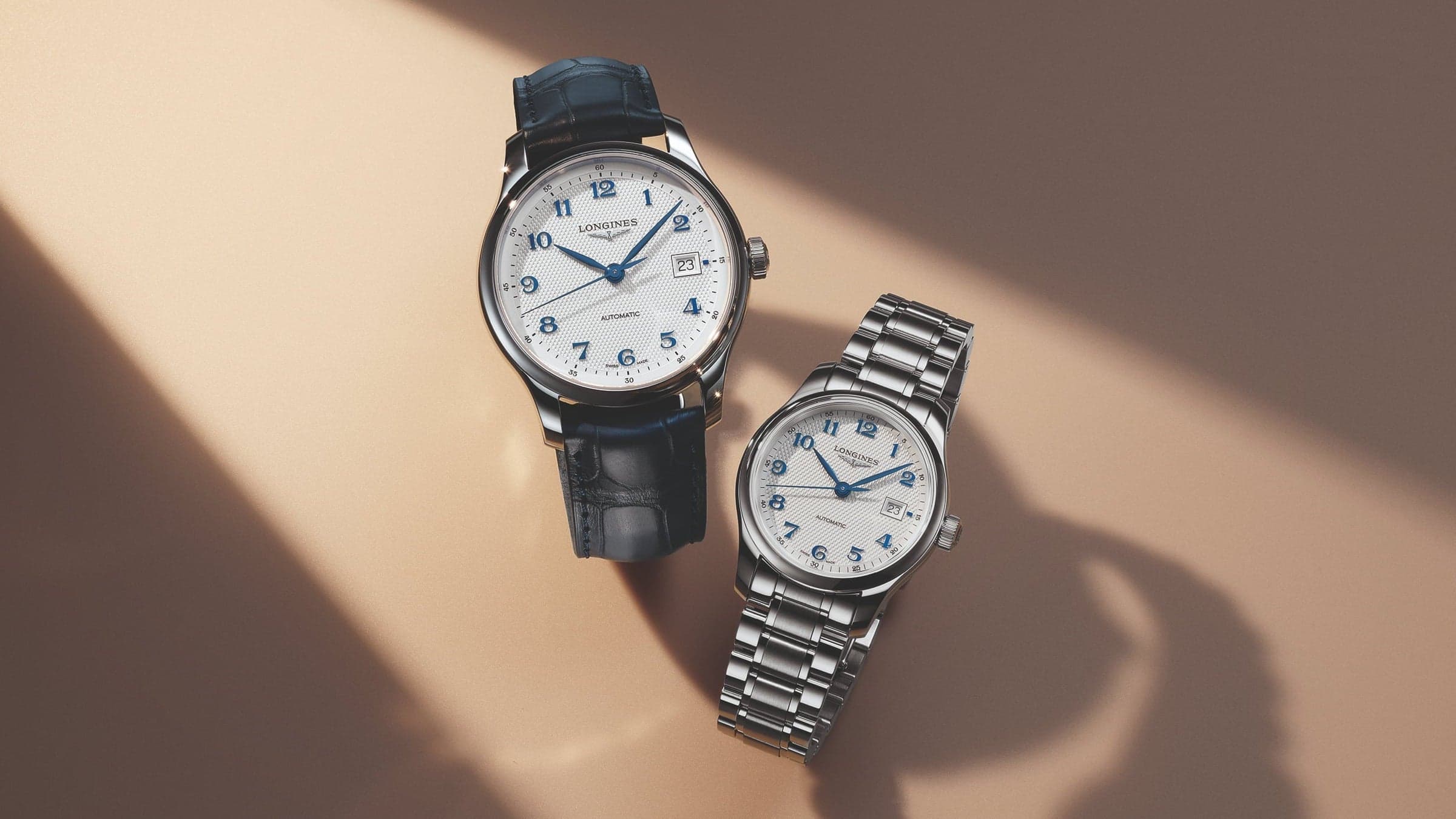
Collecting by Color: Why Blue Dials Lost Their Throne
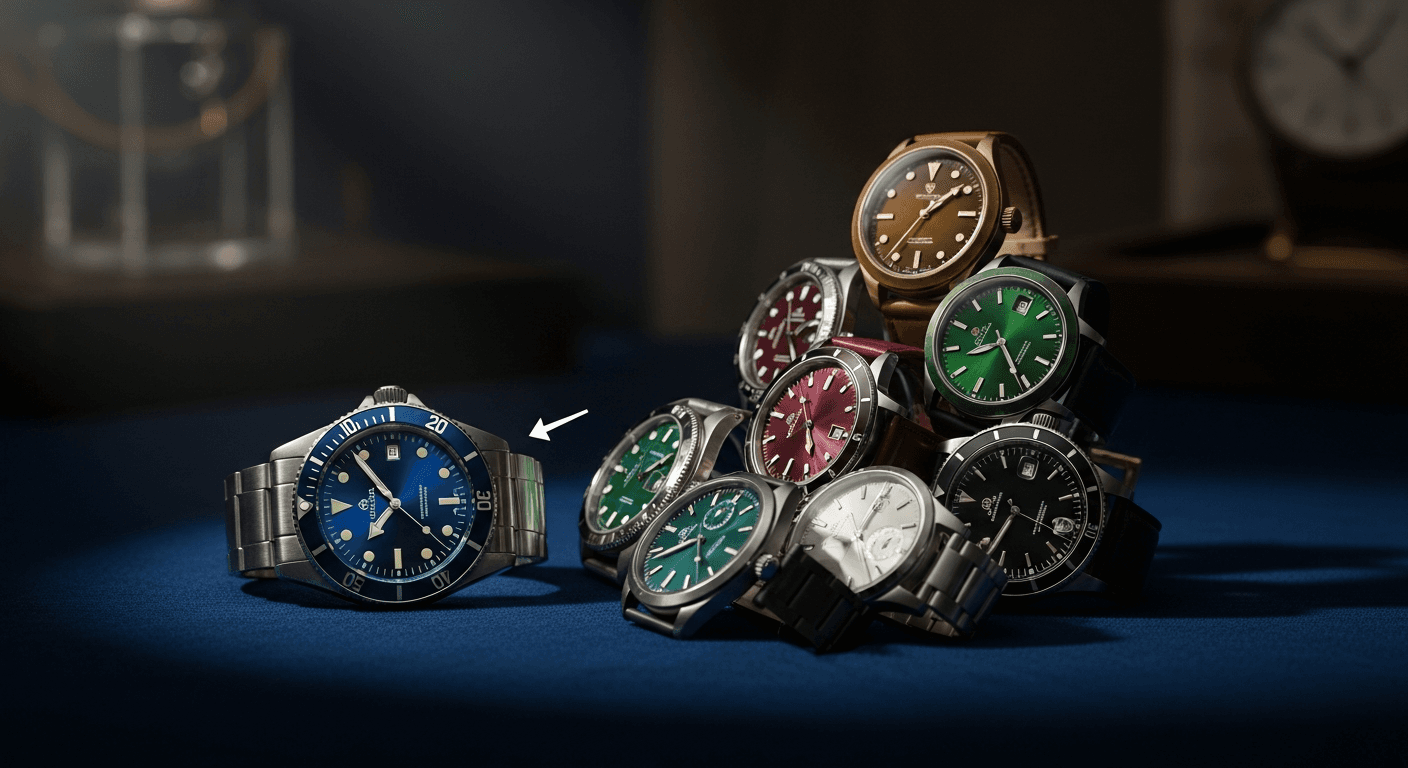
In the world of high-end horology, the "Blue Period" wasn't just a phase for Picasso; it has been the defining aesthetic for luxury timepieces for over a decade. From the sunburst depths of the Patek Philippe Nautilus to the matte utility of the Tudor Pelagos, blue has been the undisputed king of the “non-black” dial category. However, as we move through the final quarter of 2020, a seismic shift is occurring on the wrists of the world’s most influential collectors. The debate of blue dial vs green dial has reached a fever pitch, and for the first time in recent memory, the reigning champion of color is looking increasingly vulnerable.
For years, blue was the safe alternative. It offered a touch of personality without sacrificing the versatility required for a "one-watch collection." But as the market becomes more saturated with navy and azure, the savvy enthusiast is looking for something with more punch. This shift toward verdant tones isn't just a fleeting whim; it represents a fundamental change in how we perceive value and rarity in the current market.
The Blue Period: A Decade of Dominance
To understand why the throne is shaking, we must look at why blue became so dominant in the first place. For the better part of the 2010s, a blue dial was the hallmark of a modern classic. It bridged the gap between the formal austerity of a black dial and the casual sportiness of a white dial.
Whether it was a "desk diver" like the Omega Seamaster Professional 300M or a high-complication piece from Vacheron Constantin, blue was the color of the "grail" watch. It felt nautical, sophisticated, and, most importantly, it was commercially safe. Manufacturers knew that a blue variant would sell, often commanding a premium on the secondary market over its black or silver counterparts. However, when every brand—from entry-level boutiques to the Holy Trinity—offers a blue dial, the "cool factor" inevitably begins to dilute.
The Green Awakening: More Than Just a Trend?
As we stand here in November 2020, the landscape looks remarkably different. The recent discontinuation of the Rolex Submariner 116610LV, affectionately known as the "Hulk," sent shockwaves through the community. While Rolex replaced it with the 126610LV (which returns to a black dial with a green bezel), the frenzy surrounding the all-green "Hulk" proved one thing: collectors are hungry for green.
In the blue dial vs green dial comparison, green offers a level of exclusivity that blue can no longer claim. Green is harder to get right. It can range from the military-inspired olive of a Panerai to the vibrant, lime-tinged brilliance of an H. Moser & Cie fumé dial. It is a color that demands attention, making it the perfect choice for a "wristshot" that stands out in an endless sea of blue on social media feeds.
The Psychology of the Green Dial
Why are we seeing this shift now? Part of it is the desire for "newness" in a hobby that often moves at a glacial pace. A green dial feels like a statement of intent. It suggests that the wearer isn't just following the crowd to the nearest blue-dial sports watch but is instead looking for something with more character and a hint of vintage charm—reminiscent of British Racing Green or the deep forests of the Swiss Jura.
Blue Dial vs Green Dial: The Collector’s Dilemma
When choosing between a blue dial vs green dial for your next acquisition, the decision often comes down to the intended use of the watch. Blue remains the champion of versatility. A blue-dialed IWC Portugieser or a Rolex Datejust with a blue Roman dial can transition seamlessly from a boardroom to a weekend brunch. It is the "blue blazer" of the watch world.
Green, on the other hand, is the "bold tie" or the "suede loafer." It adds a layer of complexity to an outfit. However, brands are getting better at making green wearable. The Piaget Altiplano in 2020, with its stunning pine-green dial, showed that green can be just as elegant and formal as any blue or silver sunray finish.
For the serious collector, the move toward green is also an investment play. Because green dials are produced in smaller quantities than blue ones, they often hold their value better or appreciate faster as they become the new "must-have" aesthetic.
Technical Spotlight: The Rolex Submariner Date 116610LV "Hulk"
To illustrate the power of the green dial, one need look no further than the recently retired 116610LV. This watch, more than any other, pioneered the green revolution. Its "Maxi" dial features a captivating green gold dust deposit that changes hue depending on the light, ranging from a bright emerald to a deep, moody forest green.
| Feature | Specification |
|---|---|
| Caliber | Rolex Manufacture 3135 (COSC) |
| Case Material | 904L Oystersteel |
| Dimensions | 40mm Diameter, 13mm Thickness |
| Water Resistance | 300 Meters (1,000 Feet) |
| Complications | Instantaneous Date with Cyclops Lens |
| Bracelet/Strap | Oyster Bracelet with Glidelock Extension |
| Lume | Chromalight (Blue Glow) |
While the new 2020 Submariner 126610LV has moved to a 41mm case and a black dial, the 116610LV remains the definitive example of why green has become so desirable. It’s a "beater" that looks like a jewel, a tool watch that refuses to be boring.
Beyond the Crown: The Green Wave Across Brands
It isn't just Rolex leading the charge. In 2020, we’ve seen incredible releases that tip the scales in the blue dial vs green dial debate.
- IWC released the Portugieser Chronograph with a stunning racing green dial that feels both heritage-inspired and modern.
- H. Moser & Cie has mastered the "Cosmic Green" fumé dial, which offers a level of depth that makes most blue dials look flat by comparison.
- Omega added a deep olive green to the Seamaster Aqua Terra collection, providing a sophisticated alternative to their standard blue and silver offerings.
These releases suggest that the industry is no longer viewing green as a "boutique edition" or a limited-run experiment. It is becoming a core pillar of the modern luxury watch catalog.
The Verdict: Is Blue Really Dead?
To say blue dials are "dead" would be an exaggeration. Blue will always be a cornerstone of horology because of its inherent link to the sea and the sky. It is a color that will never truly go out of style. However, the days of blue being the only alternative for the adventurous collector are over.
As we look toward 2021, the momentum is clearly behind green. The blue dial vs green dial rivalry has breathed new life into watch design, forcing brands to experiment with textures, gradients, and finishes that we haven't seen before. Whether you are looking for a rugged "desk diver" or a refined dress watch, the options in green are more compelling than ever.
For the collector who already has a "grail" blue dial in the safe, the path forward is clear. It’s time to embrace the forest tones, the olives, and the emeralds. The throne has a new occupant, and it is wearing a very different shade of success.