38mm Sweet Spot: Why We Abandoned 40mm
For decades, the horological world was obsessed with presence. From the oversized 'dinner plate' era of the early 2000s to the long-standing reign of the 40mm sports watch, the industry's mantra seemed to be 'bigger is better.' However, as we cross into late 2025, a significant correction has taken place. The pendulum has swung back, and collectors have found their 'Goldilocks' zone. Today, men's 38mm watches have officially dethroned the 40mm standard as the most coveted silhouette for the discerning enthusiast.
This shift isn't just a fleeting trend or a nod to neo-vintage aesthetics; it is a fundamental realization that ergonomics and proportions matter more than sheer wrist real estate. Whether you are hunting for a daily beater or a high-complication grail, the 38mm case offers a level of versatility that 40mm simply cannot match.
The Death of the 'Dinner Plate' and the Rise of Ergonomics
Why did we collectively decide that 40mm was the baseline for so long? Much of it was driven by the iconic status of the Rolex Submariner and the GMT-Master II. For years, these models dictated the proportions of the modern sports watch. But as the community became more educated on the nuances of lug-to-lug measurements and case thickness, the flaws of the 40mm+ category became apparent.
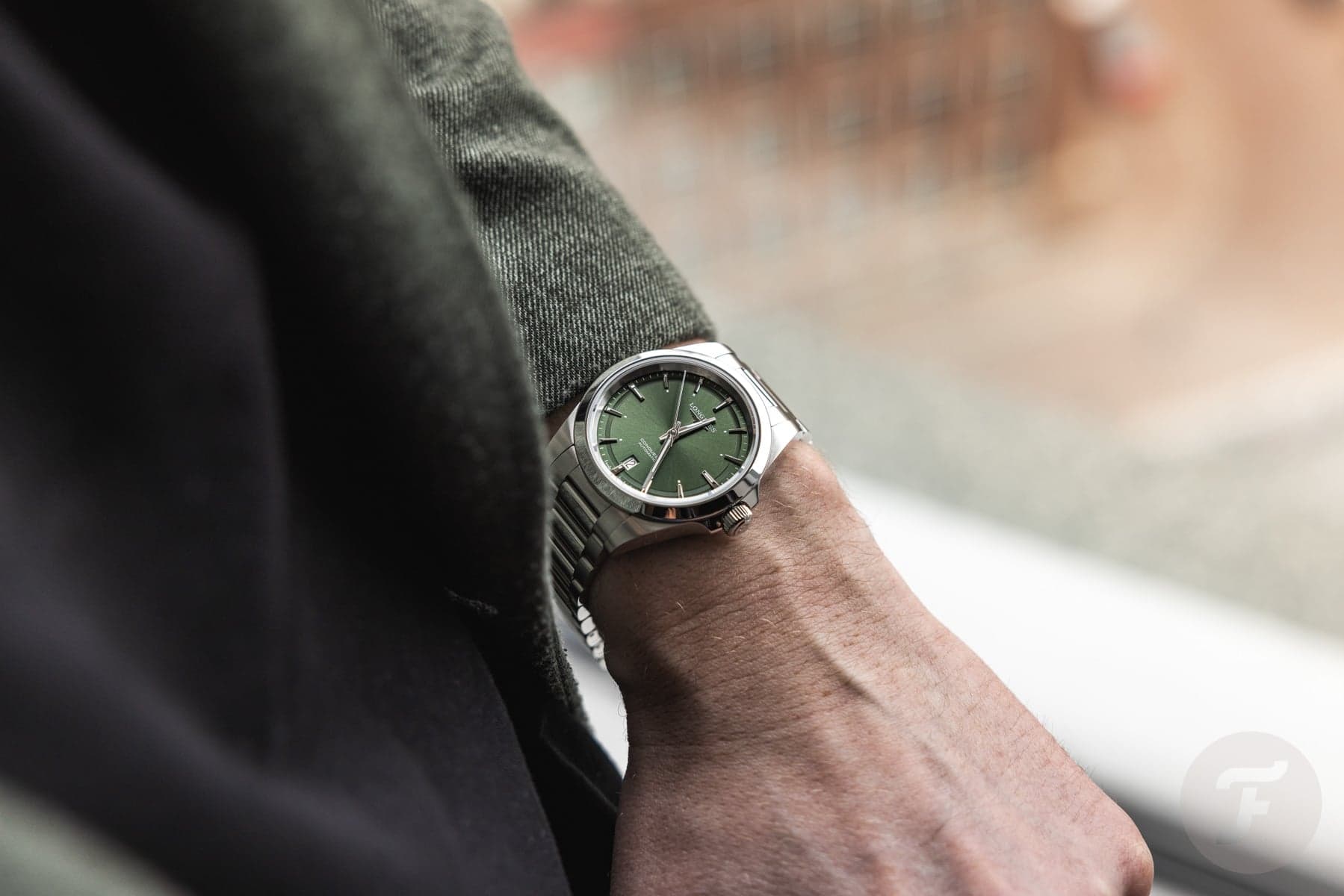
On the average 6.75-inch to 7-inch wrist, a 40mm watch with long lugs often creates 'overhang,' where the bracelet drops vertically rather than wrapping around the wrist. In contrast, men's 38mm watches tend to center themselves perfectly. This size allows for a more comfortable 'wristshot' that looks integrated rather than perched on top of the arm. The result is a watch that disappears under a cuff when needed but retains enough dial presence to be legible at a glance.
Proportions: The Secret Sauce of 38mm
When we talk about the 'sweet spot,' we are really talking about the ratio between the dial, the bezel, and the lugs. In a 42mm watch, the dial often feels cavernous, requiring oversized markers or extra text to fill the void. In a 36mm watch, things can feel cramped, especially for modern chronographs.
Men's 38mm watches solve this by providing enough space for complex movements—like the El Primero or a modern Co-Axial caliber—without sacrificing the elegance of the case lines. It is the perfect canvas for a desk diver or a sophisticated dress watch. The reduced diameter naturally leads to a shorter lug-to-lug distance, typically falling between 44mm and 46mm, which is the ergonomic 'holy grail' for most men.
Featured Model: The Zenith Chronomaster Original
One cannot discuss the 38mm revolution without mentioning the Zenith Chronomaster Original. While other brands were busy upscaling their heritage pieces, Zenith looked into their archives and realized the 1969 A386 dimensions were already perfect. By housing the high-frequency El Primero 3600 in a 38mm case, they created a masterpiece that balances technical prowess with vintage charm.
| Feature | Specification |
|---|---|
| Caliber | El Primero 3600 (Automatic High-Frequency) |
| Case Material | Stainless Steel |
| Dimensions | 38mm Diameter; 12.6mm Thickness |
| Water Resistance | 50 Meters |
| Complications | 1/10th of a second Chronograph, Date |
| Bracelet/Strap | Stainless steel 'Ladder' bracelet or Calfskin leather |
The Versatility of the 38mm Sports Watch
In 2025, we are seeing the lines between dress watches and tool watches blur more than ever. A men's 38mm watch like the Omega Seamaster Aqua Terra 38mm is the perfect example of this 'one-watch collection' philosophy. At 38mm, the Aqua Terra loses the bulk of its 41mm sibling, making it look just as home with a tuxedo as it does with a t-shirt.
The dial geometry on these smaller references often feels more 'balanced.' The date window at 6 o'clock on the 38mm Aqua Terra provides a symmetry that is often lost on larger iterations. Furthermore, the application of lume on these smaller surfaces often appears more concentrated and crisp, enhancing the overall luxury feel of the piece.
Vintage Inspiration and the 'Patina' Factor
The move toward men's 38mm watches has also been fueled by the vintage market. As collectors chase the 'pre-owned' look, brands have responded by releasing 'fauxtina' dials and smaller cases that mimic the mid-century aesthetic. However, unlike actual vintage pieces that might be 34mm or 35mm—sizes that many modern men still find too small—38mm provides that vintage 'vibe' while maintaining modern durability and water resistance.
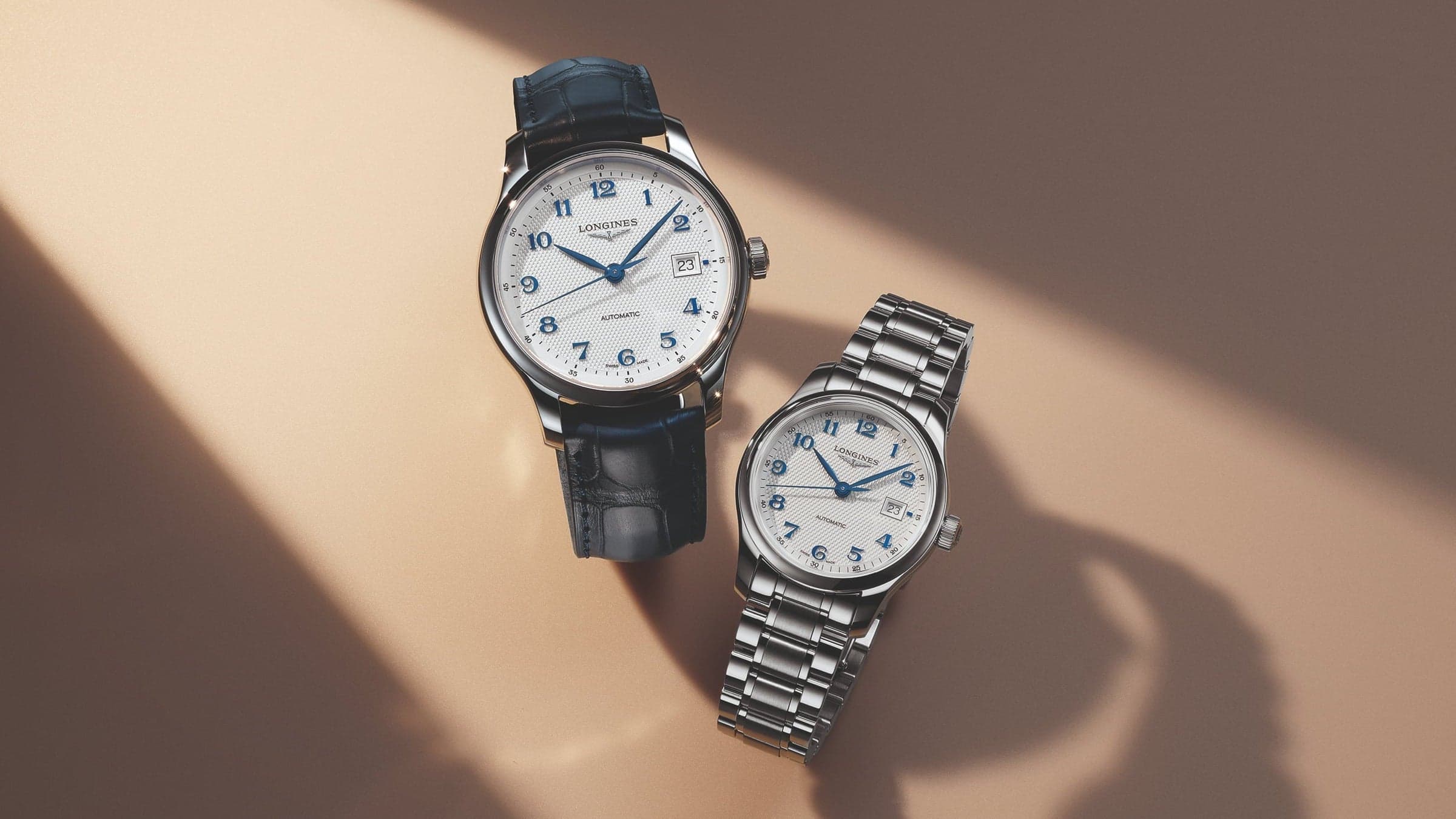
Whether it's a Baltic MR01 with its micro-rotor movement or a Longines Heritage Classic, these watches prove that you don't need a massive case to make a massive statement. These pieces age gracefully, and the smaller surface area of the crystal and bezel means they tend to hide the 'love marks' of daily wear better than their larger counterparts.
Why Enthusiasts are Trading Up (by Sizing Down)
In the secondary market, we are seeing a fascinating trend: enthusiasts are selling off their 42mm 'beasts' to fund the purchase of a single, high-quality 38mm reference. The logic is simple—comfort leads to more wrist time. A watch that pinches the wrist or feels top-heavy is destined to sit in the safe. A men's 38mm watch is a companion for life.
We’ve also seen a rise in the appreciation for 'sector dials' and 'telemeter scales,' complications that visually shrink a dial. On a 40mm+ watch, these can look sparse. On a 38mm case, the density of information creates a sense of mechanical complexity that is incredibly satisfying to the eye.
Conclusion: The New Standard
The abandonment of the 40mm standard wasn't an overnight revolution; it was a gradual awakening. As we look at the releases from the past year, it's clear that the industry has listened. Men's 38mm watches represent the pinnacle of modern watch design—a perfect marriage of heritage proportions and contemporary engineering.
By choosing 38mm, you aren't sacrificing presence; you are embracing poise. You are choosing a watch that respects the anatomy of the wrist and the history of horology. Whether you are looking for your first luxury purchase or your tenth, the 38mm category is currently offering the most exciting, well-proportioned, and wearable watches on the market. It’s time to stop wearing the watch and start letting the watch wear you—perfectly.